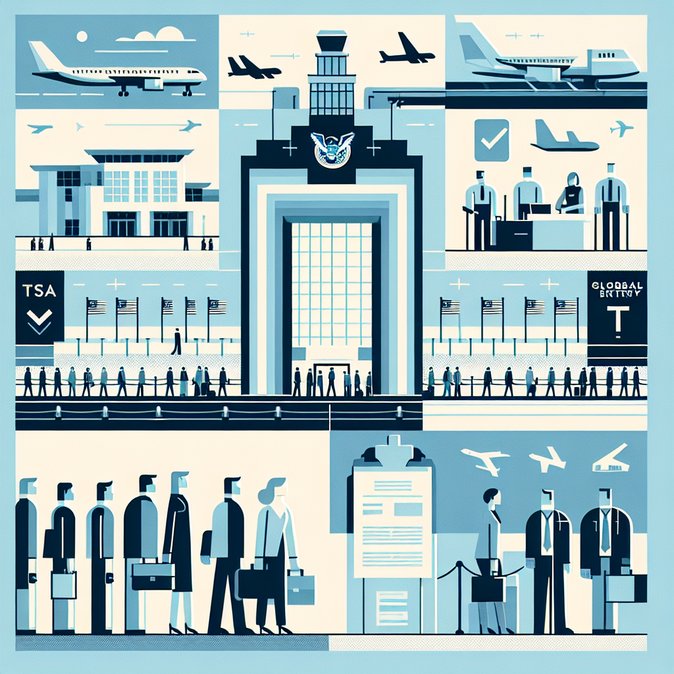
In a dramatic about-face on Sunday, February 22, the Department of Homeland Security (DHS) announced that TSA PreCheck will “remain operational with no change for the travelling public,” only hours after the agency had said it would pause both PreCheck and Global Entry at 6 a.m. Eastern to conserve staff during the department’s funding lapse. The reversal followed an outcry from airlines, airport authorities, and business-travel organisations that warned of chaotic security queues and missed connections for the 30 million travellers enrolled in trusted-traveller programs. (washingtonpost.com)
DHS officials told reporters the decision came after consultations with the White House and the Transportation Security Administration. While PreCheck lanes will stay open, the more labour-intensive Global Entry kiosks at airports and land borders remain suspended. CBP officers assigned to the program have been redeployed to standard primary inspection booths until Congress restores DHS appropriations. Travellers returning from overseas should therefore plan for full customs inspections and longer waits. (forbes.com)
In navigating these shifting requirements, many travelers turn to third-party specialists for paperwork and itinerary advice. VisaHQ, for example, offers real-time visa, passport, and travel document processing for U.S. residents and citizens, and its dashboard at https://www.visahq.com/united-states/ can help companies and individuals verify entry rules, complete applications, and track approvals—services that become especially valuable when official programs like Global Entry hit unexpected pauses.
![DHS U-turn Keeps TSA PreCheck Alive as Partial Shutdown Drags On—Global Entry Still Frozen]()
Industry groups such as the U.S. Travel Association and GBTA say the mixed status creates a two-tier system that still risks bottlenecks for high-value international passengers. Global Entry is funded entirely by user fees, they note, arguing that suspending a self-financed program during a budget fight makes little fiscal sense. Airlines are preparing contingency staffing at international arrival halls and advising corporate clients to allow extra time when connecting onward in the United States.
For mobility managers, the practical takeaway is to adjust traveller briefings immediately: domestic PreCheck benefits remain, but employees flying abroad should expect conventional re-entry procedures and carry hard copies of I-94 confirmation pages in case of kiosk closures. Companies with frequent cross-border staff may wish to shift meetings to virtual formats or route trips through Pre-clearance airports such as Dublin or Abu Dhabi, which are not affected by the Global Entry freeze.
Looking ahead, observers say the shutdown highlights the vulnerability of fee-funded mobility programs to political brinkmanship. Several lawmakers have already drafted bipartisan legislation that would secure PreCheck and Global Entry operations during future funding gaps, similar to protections long afforded to the air-traffic-control system.
DHS officials told reporters the decision came after consultations with the White House and the Transportation Security Administration. While PreCheck lanes will stay open, the more labour-intensive Global Entry kiosks at airports and land borders remain suspended. CBP officers assigned to the program have been redeployed to standard primary inspection booths until Congress restores DHS appropriations. Travellers returning from overseas should therefore plan for full customs inspections and longer waits. (forbes.com)
In navigating these shifting requirements, many travelers turn to third-party specialists for paperwork and itinerary advice. VisaHQ, for example, offers real-time visa, passport, and travel document processing for U.S. residents and citizens, and its dashboard at https://www.visahq.com/united-states/ can help companies and individuals verify entry rules, complete applications, and track approvals—services that become especially valuable when official programs like Global Entry hit unexpected pauses.

Industry groups such as the U.S. Travel Association and GBTA say the mixed status creates a two-tier system that still risks bottlenecks for high-value international passengers. Global Entry is funded entirely by user fees, they note, arguing that suspending a self-financed program during a budget fight makes little fiscal sense. Airlines are preparing contingency staffing at international arrival halls and advising corporate clients to allow extra time when connecting onward in the United States.
For mobility managers, the practical takeaway is to adjust traveller briefings immediately: domestic PreCheck benefits remain, but employees flying abroad should expect conventional re-entry procedures and carry hard copies of I-94 confirmation pages in case of kiosk closures. Companies with frequent cross-border staff may wish to shift meetings to virtual formats or route trips through Pre-clearance airports such as Dublin or Abu Dhabi, which are not affected by the Global Entry freeze.
Looking ahead, observers say the shutdown highlights the vulnerability of fee-funded mobility programs to political brinkmanship. Several lawmakers have already drafted bipartisan legislation that would secure PreCheck and Global Entry operations during future funding gaps, similar to protections long afforded to the air-traffic-control system.