Irish mobility managers with UK-national staff received an eleventh-hour jolt this morning after The Guardian revealed that the UK Home Office will implement new carrier-check rules for dual British citizens from 25 February 2026. Under the policy, dual nationals must present a valid (or qualifying expired) British passport, certificate of entitlement or emergency travel document before boarding a flight, ferry or Eurostar service to the United Kingdom. Carriers that cannot verify British citizenship will be obliged to refuse boarding, even if the traveller also holds a visa-waiver passport such as Irish, Canadian or Australian.(theguardian.com)
Why it matters to Ireland: More than 330,000 people resident in the Republic hold some form of British nationality. Many work for multinationals that move talent seamlessly across the Common Travel Area on Irish employment permits. HR teams now face a weekend scramble to identify affected staff, ensure they have valid UK documents, and reorganise Monday-morning commuter shuttles to London. Immigration lawyers warn that employees who rely on their non-UK passport – a common practice to avoid Brexit-era queues – risk being stranded at Dublin Airport or a continental hub if they do not carry the correct papers.
![UK Dual Nationals Facing New Border Rules from 25 February – Irish Firms Urged to Prepare]()
VisaHQ’s Ireland team is already fielding queries from employers who need rapid assistance confirming citizenship status, renewing British passports or arranging emergency travel documents. Its online portal—https://www.visahq.com/ireland/—lets HR managers track multiple applications at once, while dedicated advisers handle the paperwork and expedite submissions, helping to keep cross-border commuters moving when carrier checks tighten.
Business implications: Companies should circulate guidance to travellers, require British passport numbers in travel‐profile systems, and brief travel-management companies to double-check documentation on high-volume routes such as DUB–LHR and SNN–LGW. Employers should also review duty-of-care policies: an Irish-based executive who is denied boarding may incur hotel, re-ticketing and missed-meeting costs that far exceed the £ 75 fee for a same-day UK emergency passport.
What happens next: The Liberal Democrats and some Conservatives are calling for an immediate grace period, but the Home Office has so far only issued a narrow “partial fix” – allowing carriers to accept a British passport that expired after 1989 when shown with a valid ETA-eligible passport.(theguardian.com) With less than three days to go, Irish mobility teams are working on the assumption that the rule will enter force as scheduled.
Why it matters to Ireland: More than 330,000 people resident in the Republic hold some form of British nationality. Many work for multinationals that move talent seamlessly across the Common Travel Area on Irish employment permits. HR teams now face a weekend scramble to identify affected staff, ensure they have valid UK documents, and reorganise Monday-morning commuter shuttles to London. Immigration lawyers warn that employees who rely on their non-UK passport – a common practice to avoid Brexit-era queues – risk being stranded at Dublin Airport or a continental hub if they do not carry the correct papers.
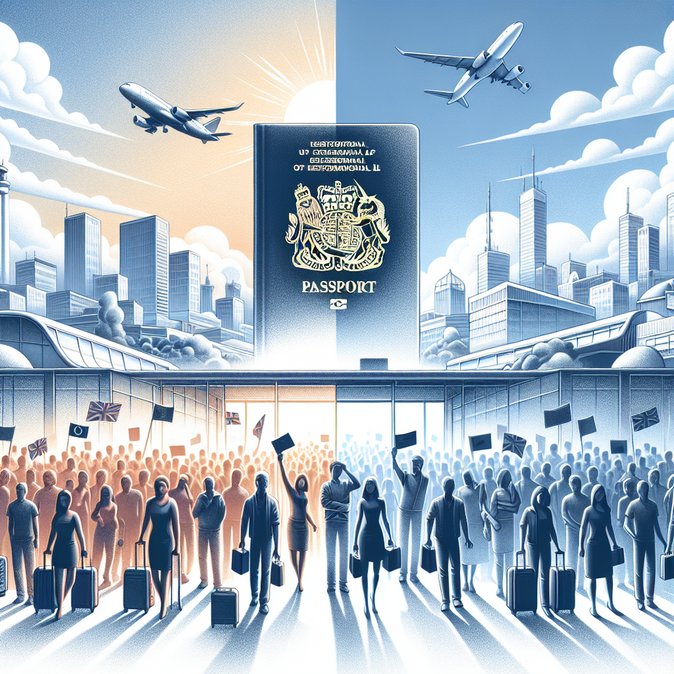
VisaHQ’s Ireland team is already fielding queries from employers who need rapid assistance confirming citizenship status, renewing British passports or arranging emergency travel documents. Its online portal—https://www.visahq.com/ireland/—lets HR managers track multiple applications at once, while dedicated advisers handle the paperwork and expedite submissions, helping to keep cross-border commuters moving when carrier checks tighten.
Business implications: Companies should circulate guidance to travellers, require British passport numbers in travel‐profile systems, and brief travel-management companies to double-check documentation on high-volume routes such as DUB–LHR and SNN–LGW. Employers should also review duty-of-care policies: an Irish-based executive who is denied boarding may incur hotel, re-ticketing and missed-meeting costs that far exceed the £ 75 fee for a same-day UK emergency passport.
What happens next: The Liberal Democrats and some Conservatives are calling for an immediate grace period, but the Home Office has so far only issued a narrow “partial fix” – allowing carriers to accept a British passport that expired after 1989 when shown with a valid ETA-eligible passport.(theguardian.com) With less than three days to go, Irish mobility teams are working on the assumption that the rule will enter force as scheduled.