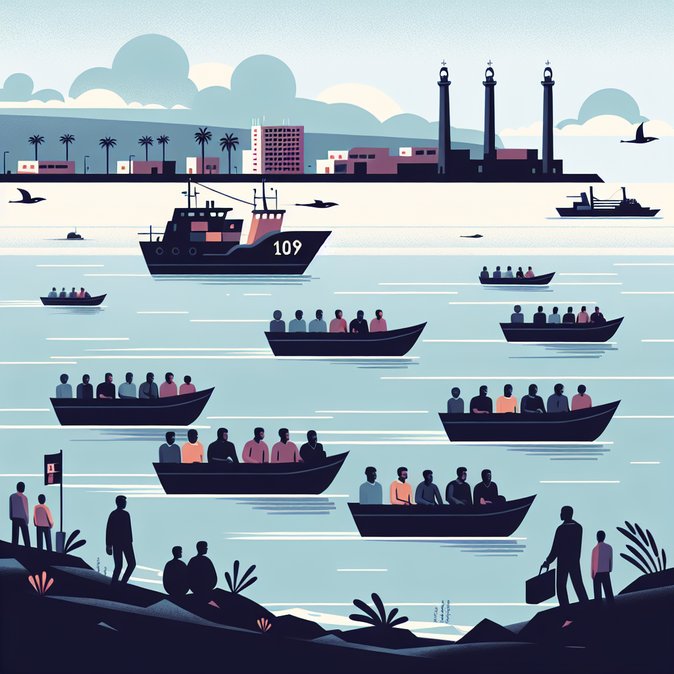
Spain’s Maritime Rescue service intercepted five small boats (pateras) carrying 109 migrants in waters off the Region of Murcia between 21 and 22 February, the regional government delegation confirmed late Sunday. Arrivals were recorded near Águilas, Cartagena’s port of Escombreras and San Pedro del Pinatar; among those rescued were at least 18 women and minors.
The rescues underline that, despite a 43 percent drop in irregular sea arrivals in 2025, pressure on Spain’s south-eastern coastline persists. Migrants are increasingly using shorter coastal hops from Algeria rather than the Atlantic Canary Islands corridor, according to Guardia Civil analysts. Seasonal calms in the Mediterranean and the perception that Spain’s new regularisation may improve long-term prospects are cited as additional pull-factors.
![Five Boats Carrying 109 Migrants Intercepted off Murcia Coast During Weekend Surge]()
If you or your organisation need help navigating Spain’s shifting immigration landscape—whether for short-term visits, long-term assignments, or humanitarian cases—VisaHQ provides streamlined, up-to-date visa and residence-permit assistance through its dedicated Spain portal: https://www.visahq.com/spain/
For global-mobility stakeholders the episode has two implications. First, companies relocating staff to Murcia may face sporadic strain on local reception facilities and social services, potentially affecting schooling or housing availability in smaller municipalities. Second, heightened patrols and identity checks can translate into occasional delays at regional ports for legitimate business travellers arriving by pleasure craft or small commercial vessels.
Regional authorities say all rescued individuals underwent health screening and were transferred to Cartagena’s temporary holding facility, where asylum or return procedures will begin under Spain’s 60-day detention limit. NGOs have urged Madrid to accelerate safe and legal pathways such as humanitarian visas to prevent further dangerous sea crossings.
The rescues underline that, despite a 43 percent drop in irregular sea arrivals in 2025, pressure on Spain’s south-eastern coastline persists. Migrants are increasingly using shorter coastal hops from Algeria rather than the Atlantic Canary Islands corridor, according to Guardia Civil analysts. Seasonal calms in the Mediterranean and the perception that Spain’s new regularisation may improve long-term prospects are cited as additional pull-factors.

If you or your organisation need help navigating Spain’s shifting immigration landscape—whether for short-term visits, long-term assignments, or humanitarian cases—VisaHQ provides streamlined, up-to-date visa and residence-permit assistance through its dedicated Spain portal: https://www.visahq.com/spain/
For global-mobility stakeholders the episode has two implications. First, companies relocating staff to Murcia may face sporadic strain on local reception facilities and social services, potentially affecting schooling or housing availability in smaller municipalities. Second, heightened patrols and identity checks can translate into occasional delays at regional ports for legitimate business travellers arriving by pleasure craft or small commercial vessels.
Regional authorities say all rescued individuals underwent health screening and were transferred to Cartagena’s temporary holding facility, where asylum or return procedures will begin under Spain’s 60-day detention limit. NGOs have urged Madrid to accelerate safe and legal pathways such as humanitarian visas to prevent further dangerous sea crossings.