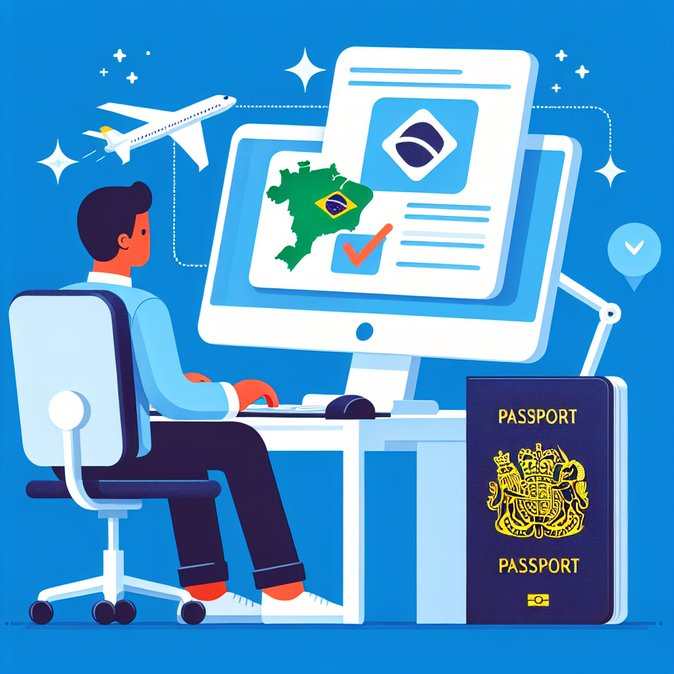
The United Kingdom confirmed this weekend that from 25 February 2026 all foreign nationals, including Brazilian travellers, must hold either a digital e-Visa (for visa-required nationals) or the new Electronic Travel Authorisation (ETA) before boarding any plane, train or ferry to the UK. The change, detailed in a Travel and Tour World briefing, is the centre-piece of the Home Office’s ‘Border 2025’ modernisation programme that phases out entry stamps and biometric residence permits in favour of passport-linked digital records.
For Brazilians—who traditionally enjoy visa-free entry for tourism or short business trips—this means applying online for an ETA, paying the £10 fee and receiving clearance before departure. The ETA is valid for multiple visits over two years and for stays of up to six months per trip. Carriers will run automated permission-to-travel checks; those without a valid ETA will receive a ‘no-board’ message and be denied check-in.
If you’d like expert assistance when navigating the new ETA rules, VisaHQ can help. Their Brazilian portal (https://www.visahq.com/brazil/) offers a streamlined application interface, pre-departure document reviews and real-time status alerts—making it easier for both leisure travellers and corporate mobility teams to stay compliant while cutting down on paperwork.
![UK’s Digital Border Launch on 25 February Will Require eVisas or ETAs for Brazilians]()
Mobility managers must act fast. Employees on secondment to the UK who recently renewed passports must update their UKVI online accounts to avoid mismatched data that could trigger airport delays. UK employers will also stop accepting physical biometric residence cards for right-to-work checks; HR teams should shift to the Home Office’s online verification portal immediately.
Travel-risk consultants warn of an initial learning curve similar to that seen when the US rolled out ESTA in 2009. While the system promises quicker e-gates and fewer queues, early glitches could disrupt connecting itineraries during the upcoming Easter travel peak. Brazilian tour operators are advising clients to submit ETA applications at least a week before travel until processing times stabilise.
Although the roll-out has drawn criticism from privacy advocates, the Home Office insists the digital system will enhance security and curb document fraud. For Brazilian corporates with frequent UK travel—particularly in energy, fintech and legal services—the ETA becomes an unavoidable line item in mobility budgets from next week.
For Brazilians—who traditionally enjoy visa-free entry for tourism or short business trips—this means applying online for an ETA, paying the £10 fee and receiving clearance before departure. The ETA is valid for multiple visits over two years and for stays of up to six months per trip. Carriers will run automated permission-to-travel checks; those without a valid ETA will receive a ‘no-board’ message and be denied check-in.
If you’d like expert assistance when navigating the new ETA rules, VisaHQ can help. Their Brazilian portal (https://www.visahq.com/brazil/) offers a streamlined application interface, pre-departure document reviews and real-time status alerts—making it easier for both leisure travellers and corporate mobility teams to stay compliant while cutting down on paperwork.

Mobility managers must act fast. Employees on secondment to the UK who recently renewed passports must update their UKVI online accounts to avoid mismatched data that could trigger airport delays. UK employers will also stop accepting physical biometric residence cards for right-to-work checks; HR teams should shift to the Home Office’s online verification portal immediately.
Travel-risk consultants warn of an initial learning curve similar to that seen when the US rolled out ESTA in 2009. While the system promises quicker e-gates and fewer queues, early glitches could disrupt connecting itineraries during the upcoming Easter travel peak. Brazilian tour operators are advising clients to submit ETA applications at least a week before travel until processing times stabilise.
Although the roll-out has drawn criticism from privacy advocates, the Home Office insists the digital system will enhance security and curb document fraud. For Brazilian corporates with frequent UK travel—particularly in energy, fintech and legal services—the ETA becomes an unavoidable line item in mobility budgets from next week.