Spanish Cabinet set to approve mass regularisation for an estimated 500,000 undocumented migrants
Italian Air Traffic Controllers Set for 4-Hour National Strike on 10 April—Hundreds of Flights Already Cancelled
Fuel-price protests choke Irish transport corridors, prompting airport and bus diversions
Latest News

US expands visa-bond program to up to $15,000 ahead of 2026 World Cup
The State Department has widened its visa-bond pilot, allowing consular officers to require up-front deposits of up to US $15,000 from visitors originating in 50 high-overstay-rate countries. The change, reported April 9, arrives just 14 months before the U.S.-hosted FIFA World Cup and could deter thousands of fans and business travelers. Companies should brace for higher mobility costs, longer visa lead times and potential talent-supply gaps.

Canada Enacts Bill C-12 Overhauling Asylum and Immigration Compliance
Bill C-12, which received Royal Assent on 26 March 2026 and was highlighted on 9 April, overhauls asylum eligibility, accelerates claims processing, mandates inter-agency data-sharing and digitises immigration documents. Ottawa says the reforms will halve processing times and unclog work-permit backlogs, but employers of refugee-class workers must brace for tighter rules. Consultations on the implementing regulations run until 31 May 2026.

Japan and South Korea scrap pandemic-era flight caps on Hong Kong routes
Tokyo and Seoul have agreed to lift the last remaining Covid-era restrictions on flights from Hong Kong. The decision removes slot and airport limitations, enabling Cathay Pacific and other airlines to restore near-pre-pandemic schedules. For corporates the change promises cheaper fares and easier seat availability on two key regional markets.

ANAC activates pre-crisis protocol after technical fault briefly shuts São Paulo airspace
A power failure at the São Paulo Area Control Centre stopped flights for 71 minutes on 9 April, prompting ANAC to activate its pre-crisis protocol. While services have restarted, delays are rippling through the national network. Travel managers should expect knock-on disruptions throughout the day and ensure passengers claim their Resolution 400 rights.
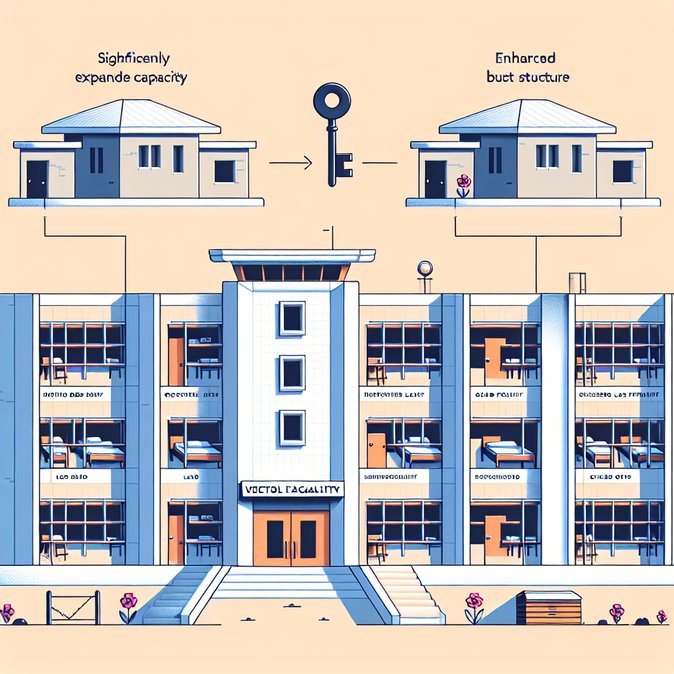
Cyprus inaugurates 1,000-bed Limnes pre-removal centre to ease migrant overcrowding
Cyprus has opened the first wing of the EU-funded Limnes Pre-Removal Centre, expanding detention capacity from 128 to 1,000 beds and replacing the ageing Menoyia facility. Authorities say the complex will modernise migration control and relieve police cells, while NGOs warn it could entrench lengthy confinement. The development signals tougher but more structured enforcement that businesses should factor into mobility compliance planning.

Nationwide Police IT Failure Snarls Passport Control at German Airports
A six-hour collapse of the Federal Police database that powers Germany’s e-gates forced manual passport checks at multiple airports on 9 April 2026, creating long queues and missed onward connections. The outage highlights vulnerabilities in border-control IT just months before the EU rolls out its new biometric Entry/Exit System.
Polish Border Guard reports zero illegal crossings from Belarus as internal checks with Germany and Lithuania continue
A 9 April Border Guard communiqué shows zero illegal crossings from Belarus but sustained spot checks on the borders with Germany and Lithuania, where 11 travellers were turned back in one day. The government has extended the “temporary” controls until 1 October 2026, citing migration and security risks. Businesses should factor extra time for cross-border road travel and ensure that mobile employees carry valid documents.

Switzerland joins global coalition granting stranded travellers emergency visa extensions
Switzerland has joined a 15-nation effort to issue emergency visa extensions and waive over-stay fines for travellers marooned by Middle-East flight suspensions. Swiss citizens abroad will benefit from similar flexibilities, while foreigners in Switzerland can apply online for a no-fee 30-day stay extension. The measure removes immediate compliance risks for employers and underlines Berne’s humanitarian diplomacy.

UAE airlines publish fresh re-booking waivers as British Airways keeps Dubai and Abu Dhabi services grounded
On 9 April the UAE’s major carriers widened fee-free re-booking windows as the country’s airports continued a phased return to service after weeks of conflict-related airspace closures. Emirates, flydubai and Etihad are all operating reduced schedules, while British Airways is still cancelling Dubai and Abu Dhabi flights. Corporate mobility managers should expect longer routings, rolling timetable updates and higher ancillary costs throughout April.
Australia suspends Iranian Visitor Visa holders under new Arrival Control Determination
Australia has invoked new powers to suspend, for six months, the Visitor 600 visa rights of Iranian passport holders who were outside the country on 26 March 2026. Only close family members and travellers with a special exemption may still enter. The move underscores Canberra’s readiness to wield section 84B of the Migration Act to manage security-related risks, and it creates fresh compliance headaches for travel planners and global mobility teams.