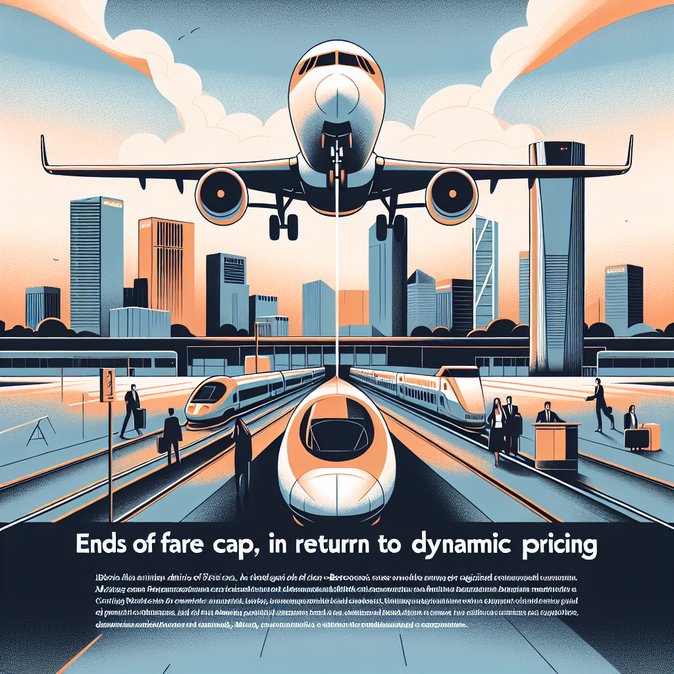
Iberia will lift the temporary €99 one-way fare ceiling on its Madrid–Barcelona flights from Monday, 23 February, the airline told *La Vanguardia* on 20 February. The price freeze was introduced on 3 February after derailments near Adamuz (Córdoba) and Gelida (Barcelona) crippled Spain’s high-speed rail corridor, diverting thousands of passengers to the air shuttle. With Adif now reporting normal rail frequencies and punctuality, Iberia says market pricing can resume.
During the three-week cap, corporate travel managers seized the opportunity to shift time-critical trips back to air without budget overruns, while low-cost rival Vueling reinstated its own BCN-MAD shuttle for the first time since 2020. Industry analysts estimate the two carriers added more than 30,000 extra seats during the rail crisis, softening the blow to the conference sector ahead of the Mobile World Congress (MWC) in early March.
Although the cap ends, Iberia said it will continue to monitor Renfe performance and could re-impose fare limits “if extraordinary circumstances warrant.” The carrier also hinted that future interventions may follow a dynamic model tied to rail punctuality metrics rather than flat price ceilings.
![Iberia scraps €99 price cap on Madrid-Barcelona shuttle as rail disruption eases]()
For international delegates heading to MWC or other Spain-based meetings, visa formalities can prove as disruptive as any transport hiccup. VisaHQ’s digital portal (https://www.visahq.com/spain/) streamlines Schengen visa applications, offers corporate dashboards, and provides expedited handling so travel coordinators can keep itineraries on track even when circumstances like the recent rail outage force last-minute changes.
Travel-policy implications: companies with negotiated Iberia discounts should update booking alerts to reflect the restored yield-managed fares; average one-way prices on the route typically fluctuate between €120 and €280 depending on advance purchase and time of day. Rail remains cheaper and greener, but the episode underscores the need for dual-mode contingency planning, especially during Spain’s busy spring conference calendar.
For Barcelona’s El Prat and Madrid-Barajas airports, the shuttle surge offered a real-world stress test of the new biometric boarding lanes rolled out last year under the EU Entry/Exit System (EES) pilot, with AENA reporting average processing times of under six minutes despite the volume spike.
During the three-week cap, corporate travel managers seized the opportunity to shift time-critical trips back to air without budget overruns, while low-cost rival Vueling reinstated its own BCN-MAD shuttle for the first time since 2020. Industry analysts estimate the two carriers added more than 30,000 extra seats during the rail crisis, softening the blow to the conference sector ahead of the Mobile World Congress (MWC) in early March.
Although the cap ends, Iberia said it will continue to monitor Renfe performance and could re-impose fare limits “if extraordinary circumstances warrant.” The carrier also hinted that future interventions may follow a dynamic model tied to rail punctuality metrics rather than flat price ceilings.

For international delegates heading to MWC or other Spain-based meetings, visa formalities can prove as disruptive as any transport hiccup. VisaHQ’s digital portal (https://www.visahq.com/spain/) streamlines Schengen visa applications, offers corporate dashboards, and provides expedited handling so travel coordinators can keep itineraries on track even when circumstances like the recent rail outage force last-minute changes.
Travel-policy implications: companies with negotiated Iberia discounts should update booking alerts to reflect the restored yield-managed fares; average one-way prices on the route typically fluctuate between €120 and €280 depending on advance purchase and time of day. Rail remains cheaper and greener, but the episode underscores the need for dual-mode contingency planning, especially during Spain’s busy spring conference calendar.
For Barcelona’s El Prat and Madrid-Barajas airports, the shuttle surge offered a real-world stress test of the new biometric boarding lanes rolled out last year under the EU Entry/Exit System (EES) pilot, with AENA reporting average processing times of under six minutes despite the volume spike.