Visa-Free Drive Powers 29 % Jump in Foreign Arrivals to China in Q1 2026
Swiss ‘10-Million Cap’ immigration initiative set for June ballot
Gardaí clear fuel-price protest blockades, restoring road and airport access across Ireland
Latest News

Poland announces 27 April launch of fully-digital MOS residence-permit portal
Poland will switch to an all-digital immigration filing system on 27 April 2026. From that day, most residence-permit applications must be submitted online via the MOS portal; paper forms will no longer be accepted. Foreign nationals whose current status lapses before or shortly after launch must file on paper by 26 April or risk losing legal stay. Businesses should prepare e-signatures and digitise documents immediately.
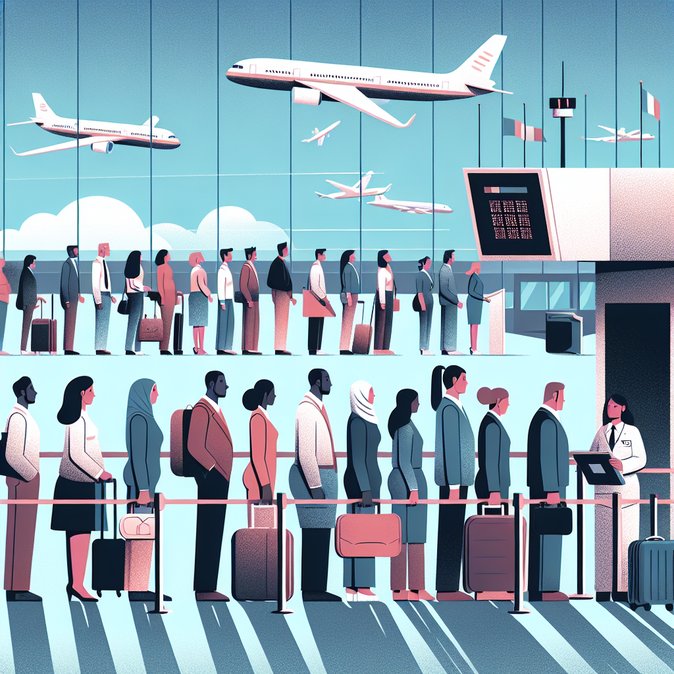
Spain’s airports hit by three-hour queues as new EU Entry/Exit System goes live
On 11 April, queues of up to three hours formed at Palma and other Spanish airports during the first weekend of the EU’s new biometric Entry/Exit System. Airlines say missed connections and half-empty departures hurt schedules, while airport operators want authority to pause the system when waits surge. Companies moving staff through Spain should build in longer ground time and brief travellers on the new enrolment step.

UK Home Office to Shut 11 Asylum Hotels This Week in Major Push to End Hotel Accommodation
The Home Office will close 11 asylum hotels in the coming week as part of a pledge to eliminate hotel use altogether. About 30,000 people remain in such accommodation, which costs nearly £8 million a day. The closures dovetail with a £10 billion tender for new long-term asylum housing contracts aimed at ending reliance on hotels. Businesses should anticipate stricter compliance checks but may benefit from greater hotel availability in key UK cities once rooms return to the market.
Lufthansa pilots call 48-hour strike for 13–14 April, threatening major disruption at German hubs
Pilots at Lufthansa will strike for two full days on 13–14 April, following recent cabin-crew action. About 1,200 flights have already been cancelled, with severe disruption expected at Frankfurt and Munich. The walk-out heightens uncertainty for business travellers and air-cargo shippers and forces companies to activate contingency plans. Why it matters: Germany’s role as a European hub means delays quickly cascade across global supply chains and international assignments.
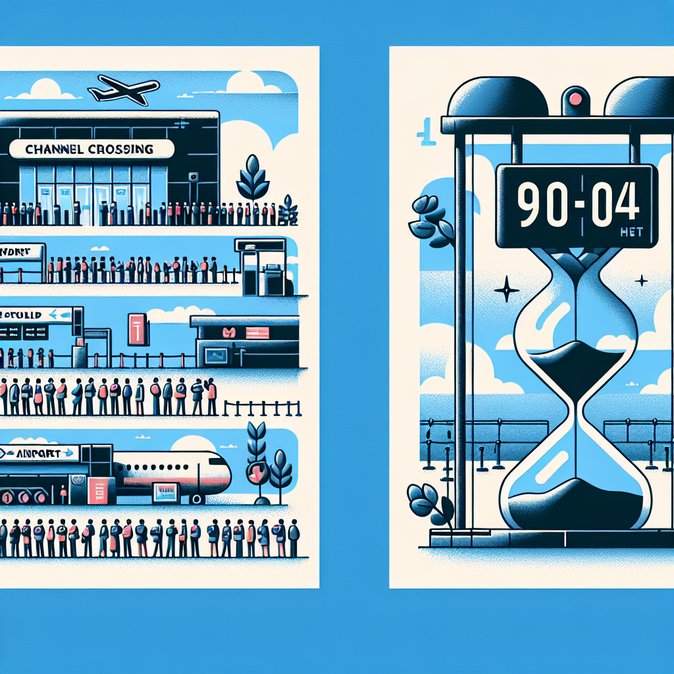
France grapples with multi-hour queues as EU Entry/Exit System sparks 90/180-day rule confusion
On 11 April, a day after EES became fully operational, France reported queues of up to four hours at Channel crossings and key airports as biometric kiosks malfunctioned and officials struggled to enforce the new 90/180-day stay limit. The glitches highlight the urgent need for employers to audit Schengen-day counts and brief travellers on longer border-processing times until systems stabilise.

Dubai caps foreign airline flights to one daily rotation at DXB and DWC until 31 May 2026
Dubai has ordered every foreign airline to cut back to one round-trip a day at each of its two airports from 20 April to 31 May 2026. Indian carriers—which account for the bulk of foreign flights—face capacity cuts of up to 92 %, prompting calls for reciprocal action. The move, justified by ongoing air-space constraints, will tighten seat supply and raise fares for corporate travellers using Dubai as a hub.

Experts urge Australia to set immigration targets for a ‘stable temporary population’
A new ANU report recommends that Australia set a hard cap on the number of people allowed to live in the country on temporary visas at any one time. The authors say managing the “stock” of temporary migrants – now 6 % of the population – would relieve pressure on housing and infrastructure while allowing government to calibrate permanent-residence pathways. If adopted, the proposal would reshape corporate mobility programmes and university recruitment strategies.
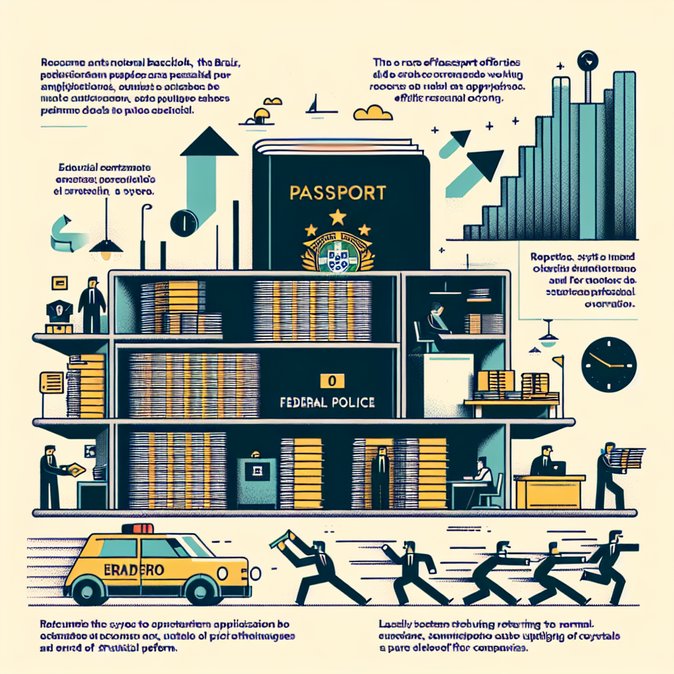
Brazil Restores Full Passport Services Nationwide after Federal Police Strike
Brazil’s passport offices are back to full speed after a Federal Police strike created a nationwide backlog of 185 000 applications. The restoration removes an acute pain-point for companies moving staff abroad this quarter and highlights the need for structural reform of Brazil’s travel-document system.
China’s Busiest Airports Suffer Wave of Cancellations and 1,400-Plus Delays in One Day
Severe weather and air-traffic restrictions on 12 April triggered 1,439 delays and 164 cancellations across China’s largest airports, snarling domestic and international connections. The incident underlines continuing vulnerability in China’s high-volume hub network and highlights the need for robust corporate travel contingencies.
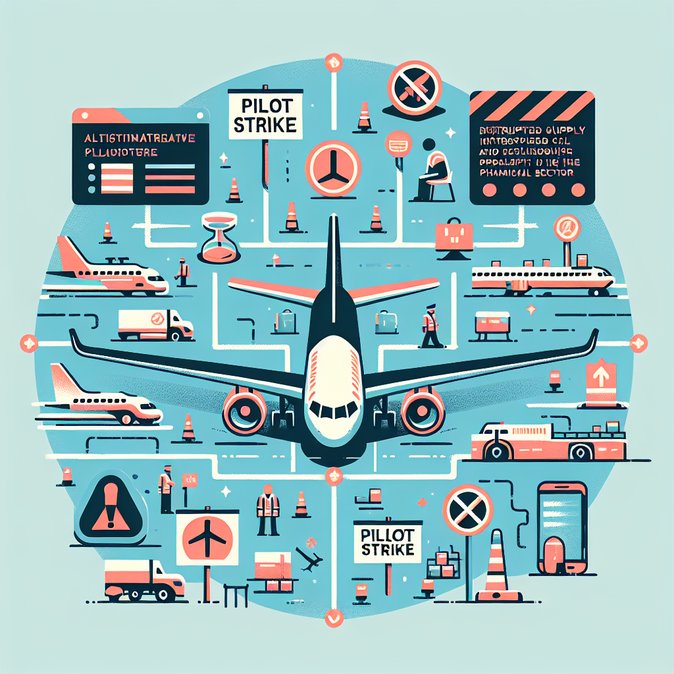
Lufthansa pilot strike triggers new round of cancellations at Swiss airports
A 48-hour pilot strike at Lufthansa beginning Monday will cancel or delay multiple services to and from Zurich, Geneva and Basel. The disruption threatens Swiss business travel links via Frankfurt and Munich, heightens pressure on alternative hubs and may snarl air-freight flows critical to the pharma sector. Companies should prepare contingency routings and budget for EU261 compensation.

Spanish Council of State flags legal gaps in mass-regularisation plan for 500,000 migrants
Spain’s Council of State supports the forthcoming mass-regularisation decree but criticises gaps in background checks, funding and definitions of ‘vulnerability.’ The government has until 14 April to tweak the text. Employers hope the scheme will relieve labour shortages, but only if extranjería offices receive the manpower and IT upgrades needed to process half a million files on time.
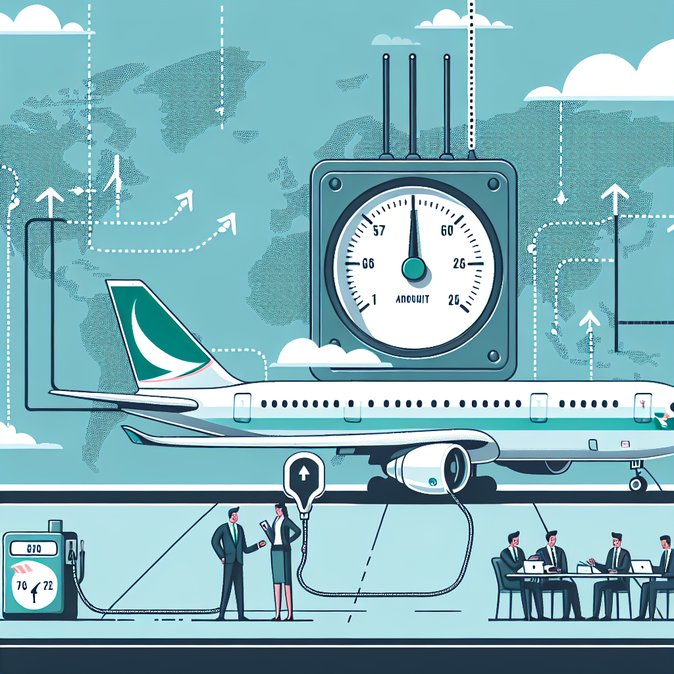
Cathay Pacific and HK Express slash May-June flight schedule as jet-fuel costs spike
Cathay Pacific will cancel about 2 % of flights and HK Express about 6 % between 16 May and 30 June 2026 to offset soaring jet-fuel prices. The cuts hit mainly Asian regional routes plus some Australia, South Asia and South Africa services, forcing corporate travellers to re-plan itineraries. All re-bookings should be issued by 13 April. Fuel now exceeds 40 % of Cathay’s costs, and volatility is expected to continue, challenging Hong Kong’s role as a seamless aviation hub.
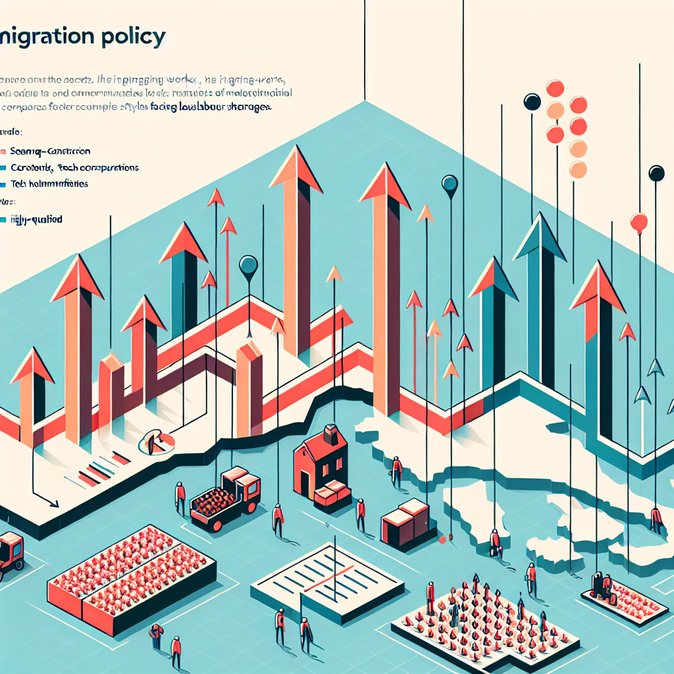
Italy prepares new ‘Decreto Flussi’ to admit 500,000 foreign workers over 2026-28
A draft immigration-quota decree would authorise almost half-a-million new Italian work visas between 2026 and 2028, increasing places for seasonal, long-term and highly-qualified workers. If approved this week, applications could open in June, giving employers a larger—though rapidly exhausted—pool of permits but also requiring faster consular and police processing. The move is significant for sectors facing acute labour shortages and for multinational companies planning assignments.

New border law leaves thousands of refugee claimants—including Gaza kidney donor—in limbo
A Canadian Press story reveals how Ottawa’s new Bill C-12 is reshaping asylum processing: roughly 30,000 claimants have received letters warning they may be barred from a full refugee hearing if they filed more than a year after first entering Canada. One such claimant is a Palestinian kidney donor now trapped in legal limbo. Employers should review the status of any staff whose work authorisation depends on pending refugee claims.

Australia Rejects 40 % of Indian Student Visa Applications as Integrity Rules Tighten
Australia has quietly shifted India to the highest-risk category in its student-visa matrix, leading to a 40 % refusal rate for applications filed since January 2026. Universities fear enrolment shortfalls and Indian students face steeper financial and documentary hurdles, forcing businesses and families to rethink mobility plans.
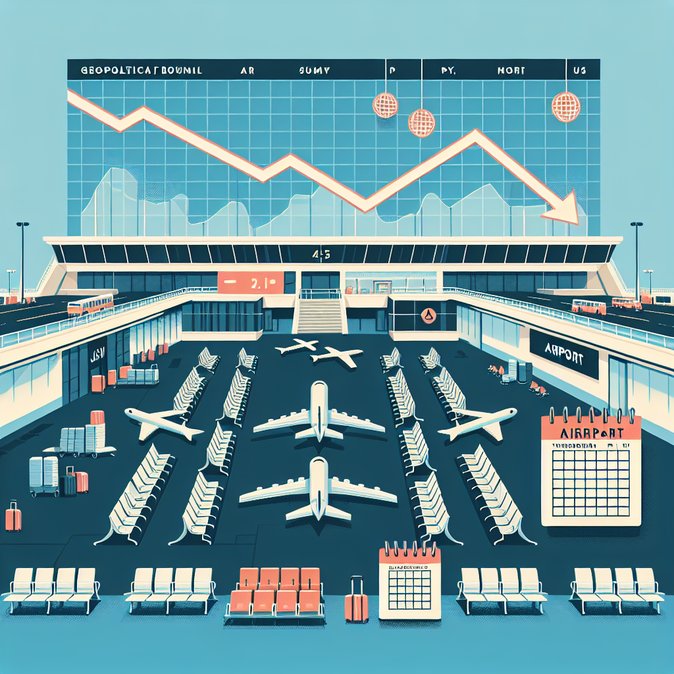
Cyprus Airports See 15.3 % March Passenger Drop as Regional Conflict Hits Mobility
Hermes Airports reported a steep 15.3 % year-on-year fall in March passenger numbers as the Iran–Middle-East conflict disrupted flight schedules and dented tourist bookings. The sudden decline reverses earlier growth, forcing companies to rethink travel budgets and prompting Cypriot authorities to safeguard key routes and relaunch marketing drives. Mobility managers should expect tighter capacity and higher costs through the summer.
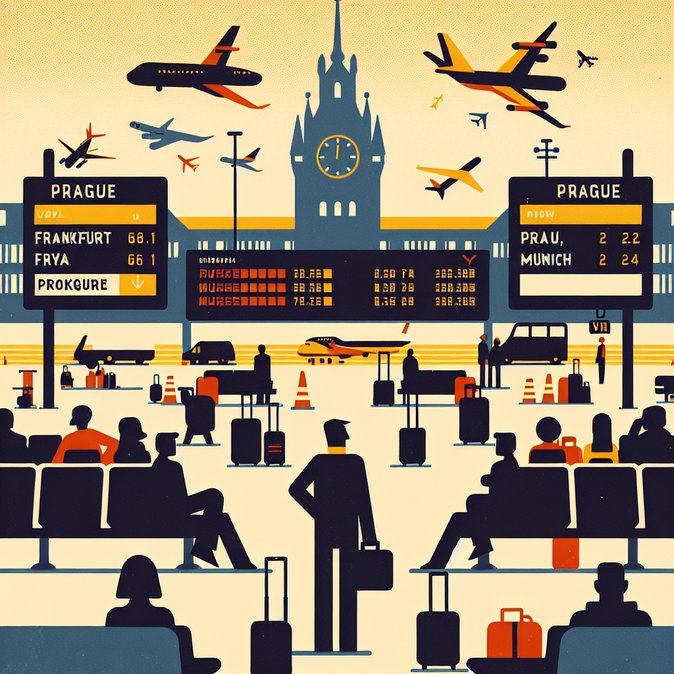
European Flight Chaos Ripple Reaches Prague: Hundreds Face Delays After 9–10 April Disruptions
Delays and cancellations that started at Western-European hubs on 9–10 April spilled into Prague over the weekend, cutting on-time performance on key Prague-Frankfurt and Prague-Munich routes by more than half. Although Prague airport itself had no local fault, knock-on effects from weather, staff shortages and strikes elsewhere stranded business and leisure travellers, illustrating how interconnected European air schedules have become. Companies are warned to extend connection times and keep documentation for potential EU 261 claims.