Travel-insurance comparison site Squaremouth used a 20 February press release to spell out what airlines must—and need not—cover as Americans face an unusually turbulent 2026 travel season. With the partial Department of Homeland Security shutdown halting some FAA and TSA functions; record winter storms snarling hubs from Denver to Boston; and recent military airspace closures along the southern border, trip disruption has become the new normal.
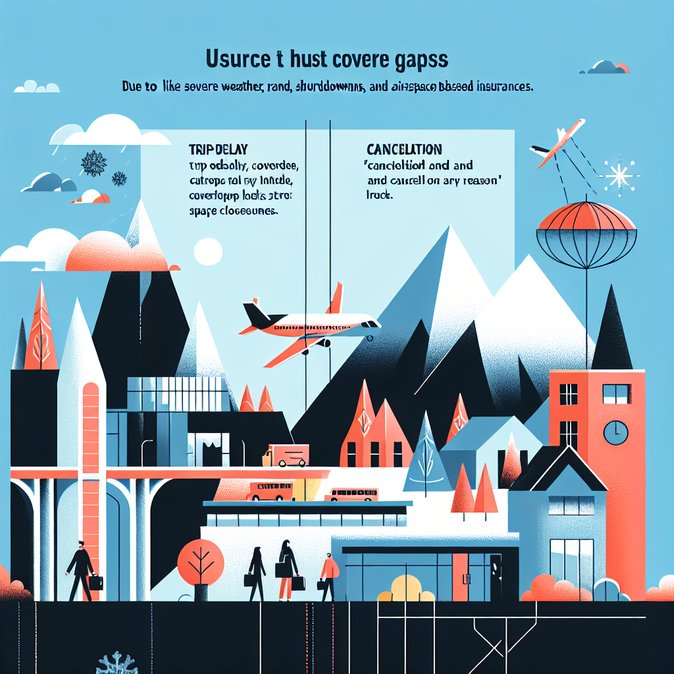
Under Department of Transportation rules, airlines must refund fares for significantly delayed or cancelled flights if passengers refuse alternative transport—but they owe nothing for meals, lodging or missed cruise departures. Standard travel-insurance policies can fill those gaps through trip-delay, cancellation and missed-connection benefits, Squaremouth said. Optional “Cancel for Any Reason” riders, though pricier, may be the only way to recoup costs if a traveller decides to abort a trip because of government shutdown-induced uncertainty.
![Government shutdowns, storms and airspace closures spur travel-insurance guidance for U.S. flyers]()
Amid all these moving parts, travellers should also confirm that their travel documents won’t become the next weak link. VisaHQ’s self-service portal helps individuals and mobility managers secure or fast-track U.S. visas and transit permits, monitors application progress and flags any emerging entry-requirement changes—an extra safeguard when plans remain in flux. Find full details at https://www.visahq.com/united-states/
For corporate mobility teams the advice is timely. Many assignees will transit the U.S. for spring policy conferences or relocate during the summer high season. Companies should confirm that their duty-of-care provider’s emergency-assistance package aligns with policy limits and that travellers book with corporate cards offering supplemental insurance.
The briefing also reminds travellers that airlines are not obliged to reimburse expenses during FAA-mandated ground-stops—an increasingly common scenario as drone incursions and security events trigger temporary air-space closures. Enterprises with time-sensitive travel—engineers flying to plant shut-downs, for example—should budget for contingency hotels and consider refundable fares despite higher upfront costs.
Under Department of Transportation rules, airlines must refund fares for significantly delayed or cancelled flights if passengers refuse alternative transport—but they owe nothing for meals, lodging or missed cruise departures. Standard travel-insurance policies can fill those gaps through trip-delay, cancellation and missed-connection benefits, Squaremouth said. Optional “Cancel for Any Reason” riders, though pricier, may be the only way to recoup costs if a traveller decides to abort a trip because of government shutdown-induced uncertainty.

Amid all these moving parts, travellers should also confirm that their travel documents won’t become the next weak link. VisaHQ’s self-service portal helps individuals and mobility managers secure or fast-track U.S. visas and transit permits, monitors application progress and flags any emerging entry-requirement changes—an extra safeguard when plans remain in flux. Find full details at https://www.visahq.com/united-states/
For corporate mobility teams the advice is timely. Many assignees will transit the U.S. for spring policy conferences or relocate during the summer high season. Companies should confirm that their duty-of-care provider’s emergency-assistance package aligns with policy limits and that travellers book with corporate cards offering supplemental insurance.
The briefing also reminds travellers that airlines are not obliged to reimburse expenses during FAA-mandated ground-stops—an increasingly common scenario as drone incursions and security events trigger temporary air-space closures. Enterprises with time-sensitive travel—engineers flying to plant shut-downs, for example—should budget for contingency hotels and consider refundable fares despite higher upfront costs.