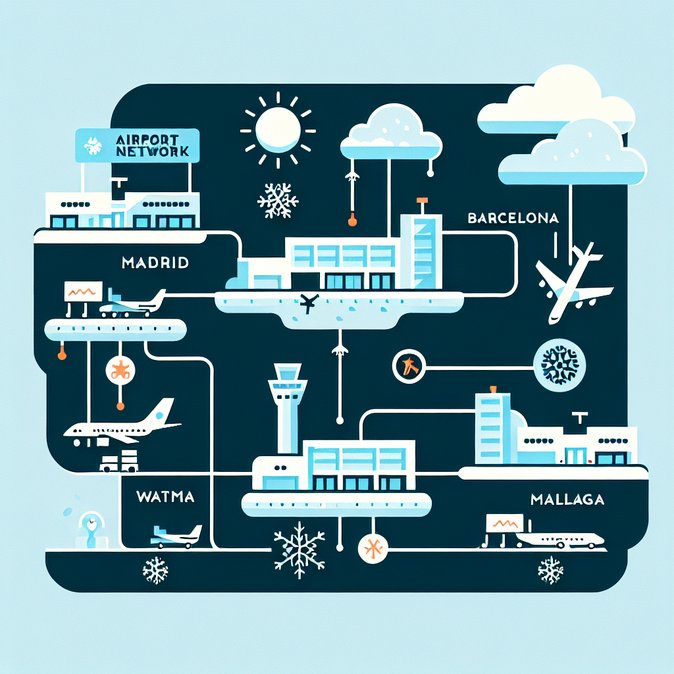
Spain’s aviation network suffered a fresh stress-test on 20 February when Adolfo Suárez Madrid-Barajas, Barcelona El Prat, Málaga–Costa del Sol and Palma de Mallorca recorded a combined 460 delayed departures/arrivals and 15 outright cancellations, according to data cited by industry portal Travel & Tour World. Madrid bore the brunt, with 208 delays and 13 cancellations, while Barcelona registered 125 delays. Málaga (81 delays) and Palma (46 delays) rounded out the disruption.
Airport operator AENA and air-navigation provider ENAIRE blamed a perfect storm of winter weather, chronic air-traffic-control staffing gaps and capacity constraints created by surging leisure and business demand. The snarl-ups highlight an awkward timing mismatch: passenger volumes have already climbed above pre-pandemic levels, yet staffing (security, ramp handling and ATC) and airframe availability have not kept pace.
Amid such uncertainties, VisaHQ (https://www.visahq.com/spain/) can lighten the administrative load by securing any required travel documents for Spain or onward destinations, tracking application status in real time and sending proactive alerts—services that become invaluable when last-minute itinerary shifts force travellers to juggle new connections or re-route through other Schengen hubs.
![Spain’s Four Biggest Airports Log 460 Delays & 15 Cancellations in One Day]()
For corporate mobility managers the operational chaos has immediate implications. Spain’s transport ministry confirmed that compensation rules under EU261 remain in force, but warned that knock-on effects could last several days as aircraft and crew rotations are realigned. Multinational firms with Iberian hubs were urged to activate remote-working contingencies and review ‘‘critical-trip’’ approvals to avoid costly overnight stays.
Longer-term, the bottlenecks feed into a wider debate over AENA’s plan to raise passenger charges from 2027 to fund a €13 billion cap-ex programme. Airlines argue that higher fees must translate into measurable service improvements, including resilient staffing models and better real-time communications for travellers.
In the meantime, travellers are advised to build extra buffer time into itineraries, use airline apps for live re-booking options, and keep boarding passes handy in case of gate changes—a small but practical step to soften Spain’s latest bout of airport gridlock.
Airport operator AENA and air-navigation provider ENAIRE blamed a perfect storm of winter weather, chronic air-traffic-control staffing gaps and capacity constraints created by surging leisure and business demand. The snarl-ups highlight an awkward timing mismatch: passenger volumes have already climbed above pre-pandemic levels, yet staffing (security, ramp handling and ATC) and airframe availability have not kept pace.
Amid such uncertainties, VisaHQ (https://www.visahq.com/spain/) can lighten the administrative load by securing any required travel documents for Spain or onward destinations, tracking application status in real time and sending proactive alerts—services that become invaluable when last-minute itinerary shifts force travellers to juggle new connections or re-route through other Schengen hubs.

For corporate mobility managers the operational chaos has immediate implications. Spain’s transport ministry confirmed that compensation rules under EU261 remain in force, but warned that knock-on effects could last several days as aircraft and crew rotations are realigned. Multinational firms with Iberian hubs were urged to activate remote-working contingencies and review ‘‘critical-trip’’ approvals to avoid costly overnight stays.
Longer-term, the bottlenecks feed into a wider debate over AENA’s plan to raise passenger charges from 2027 to fund a €13 billion cap-ex programme. Airlines argue that higher fees must translate into measurable service improvements, including resilient staffing models and better real-time communications for travellers.
In the meantime, travellers are advised to build extra buffer time into itineraries, use airline apps for live re-booking options, and keep boarding passes handy in case of gate changes—a small but practical step to soften Spain’s latest bout of airport gridlock.