Italy Activates EU Entry/Exit System: Biometric Checks Replace Passport Stamps at All Borders
EU Biometric Entry/Exit System Goes Fully Live—Germany Called ‘Model Student’
Nation-Wide Lufthansa Cabin-Crew Strike Grounds Hundreds of Flights Across Germany
Latest News
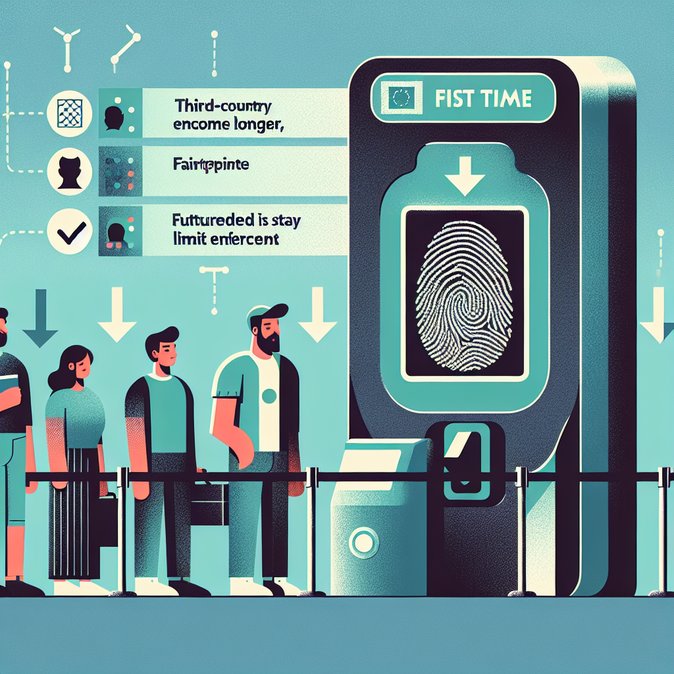
Poland Launches EU Biometric Entry/Exit System at All Border Crossings
Poland confirmed that the EU’s biometric Entry/Exit System is live at all 71 crossings from 10 April 2026. Third-country travellers must enrol fingerprints and a facial image; passport stamping ends. The change will lengthen first-time processing but is expected to streamline future trips and tighten enforcement of stay limits—key information for mobility managers sending staff to Poland or across Schengen.

Austria switches on the EU Entry/Exit System at all airports
Austrian airports activated the EU’s biometric Entry/Exit System nationwide on 10 April 2026. All third-country passengers are now registered digitally, ending manual passport stamping. The change should boost security and curb overstays, but companies should plan for slightly longer clearance times in the short term.
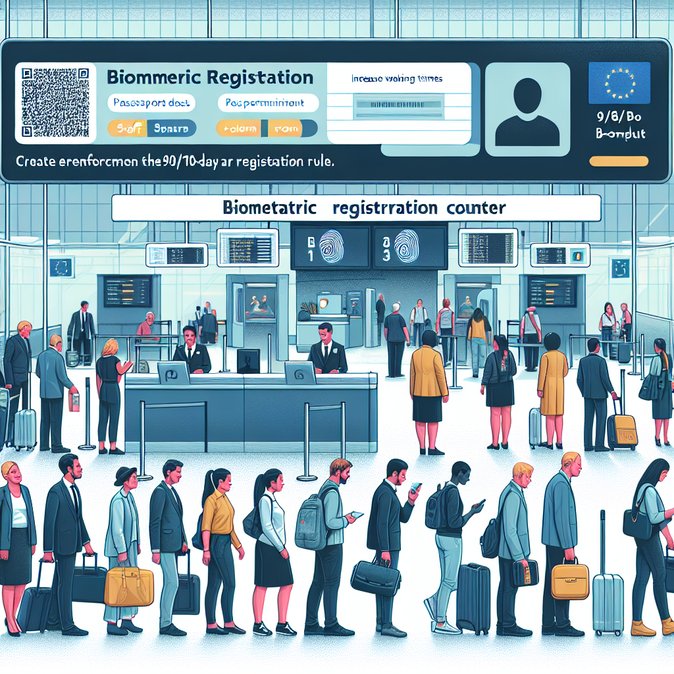
Schengen Entry/Exit System Goes Live: Digital Checks Now Mandatory at Belgian Borders
Belgium activated the EU’s new Entry/Exit System today, replacing passport stamps with biometric registration for all non-EU travellers. The change tightens enforcement of the 90/180-day rule and is expected to lengthen border checks in the short term, prompting Brussels Airport to add staff and kiosks. Companies must track employee travel more precisely and allow extra time for departures and arrivals.

Fuel-price protests snarl Ireland’s transport arteries; Government puts army on standby
A nationwide fuel-price protest on 10 April blocked key Irish motorways and threatened fuel supplies, prompting the Government to place the army on standby. The disruption is causing missed flights, diverted public transport and potential jet-fuel shortages, presenting immediate duty-of-care and routing challenges for multinationals.
Technical glitches cloud first full day of EU Entry/Exit System, adding new checks for British travellers
The EU’s biometric Entry/Exit System went live on 10 April but suffered technical problems, forcing manual checks at Dover, Folkestone and St Pancras. UK travellers now face extra fingerprint and photo registrations and potential queues, while companies must factor the new rule into duty-of-care and 90/180-day tracking.

Parliamentary package overhauls Austria’s asylum, residence and work-permit rules
Bills introduced to parliament on 10 April would align Austrian asylum, residence and labour laws with the EU Migration Pact, adding mandatory border-screening, stricter family-reunification quotas and faster single-permit processing. Corporate mobility teams must prepare for new timelines and eligibility criteria.

Visa-Free Policies Spur Inbound Tourism Boom Across China
China’s new visa-free and 240-hour transit-without-visa regimes are fuelling a double-digit rebound in foreign arrivals, with visitors venturing well beyond Beijing and Shanghai into smaller cultural hubs. The shift is creating fresh opportunities for corporate events and client visits but also requires HR teams to distinguish clearly between visa-free tourism and work authorisation.

Commission Reveals 7,000 Refusals Since Biometric Borders Pilot—Belgium Braces for More Post-Launch Scrutiny
Brussels released pilot-phase figures showing 7,000 refusals and 700 security alerts generated by the new Entry/Exit System. The numbers highlight the system’s ability to detect overstays and watch-list matches automatically, signalling heightened compliance risks for Belgian employers who rotate non-EU staff through short-term assignments.

Emirates adjusts flights to 100+ cities as Gulf airspace restrictions persist
Emirates has trimmed or retimed services to more than 100 destinations because restricted Gulf airspace is forcing longer routings. The airline has re-opened flexible rebooking and refund options and warns passengers not to head to the airport without confirmation. The move tightens corporate-travel capacity and could raise air-freight rates through Dubai.

Home Office begins removal of residency rights for absent EU citizens
The Home Office has confirmed it will start revoking the post-Brexit residency rights of EU citizens whose travel records show extended absences from the UK. Rights groups warn that inaccurate data could see lawful residents lose the right to live and work overnight, while employers face new compliance risks around right-to-work checks.
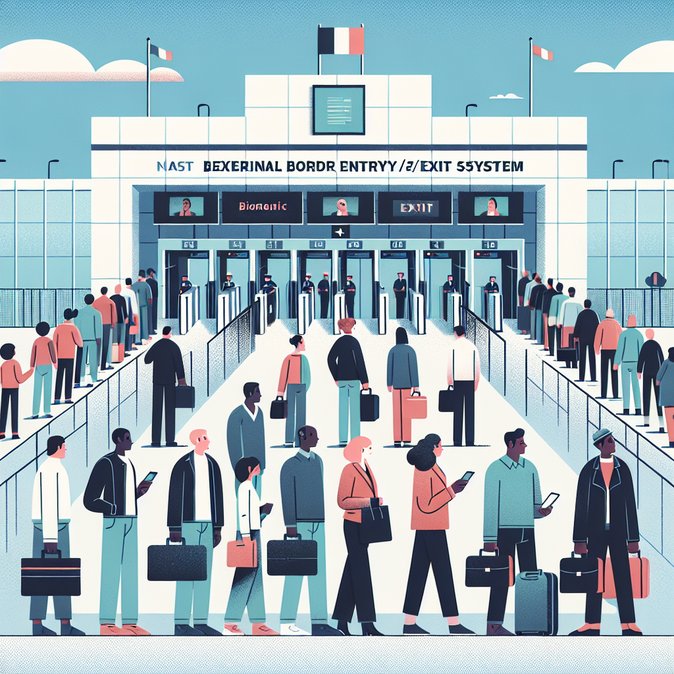
EU’s Entry/Exit System Goes Live: France Braces for First-Day Queues
France activated the EU’s biometric Entry/Exit System at all external borders on 10 April 2026. While intended to tighten overstay controls, the first hours saw queues of up to 90 minutes at Paris-CDG. Businesses are warning of productivity losses and advising travellers to build in extra time.