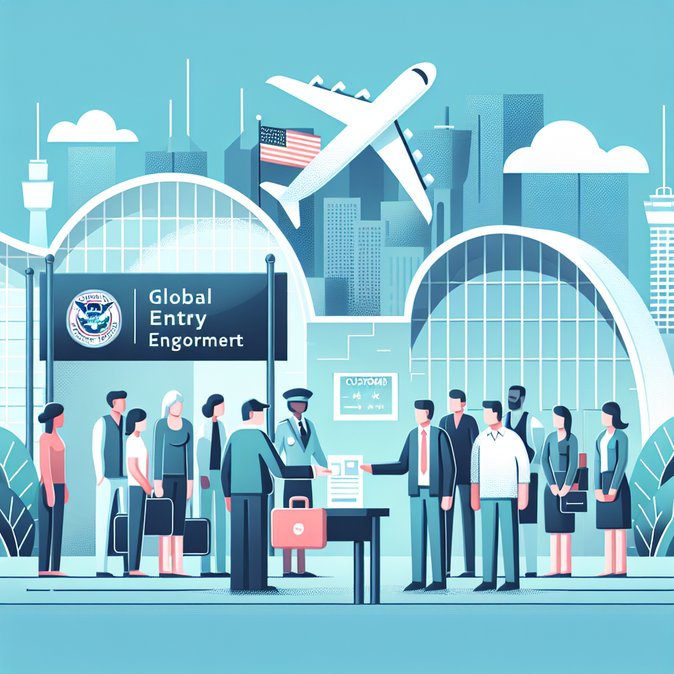
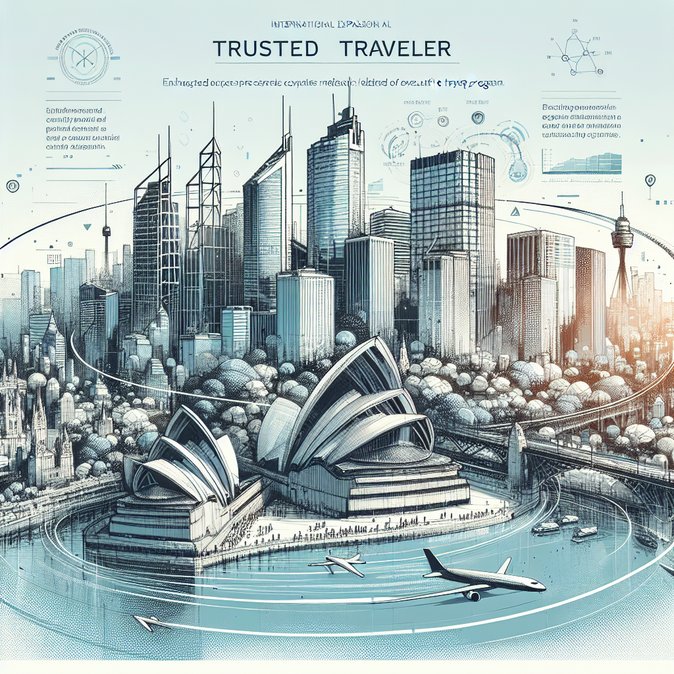
U.S. Customs and Border Protection will, for the first time, conduct in-person Global Entry interviews outside North America, running a one-week “mobile enrollment” event in Sydney from February 23–27. According to reporting by Executive Traveller, roughly 280 interview slots remain at the Hyatt Regency Sydney, and appointments are filling quickly.
The pilot means Australian executives who have already received conditional approval no longer need to fly to the United States—or attempt an Enrollment-on-Arrival interview—to finalize membership. Once approved, travelers gain expedited immigration processing at more than sixty U.S. airports plus automatic eligibility for TSA PreCheck on domestic flights, shaving valuable minutes off tight connections.
CBP officials say mobile events allow the agency to gauge demand in partner countries without the overhead of a permanent enrollment center. If successful, similar pop-ups could appear in Melbourne, Auckland or Singapore, further broadening the trusted-traveler pipeline. For U.S. corporations with Asia-Pacific operations, easier Global Entry access promises to reduce visa-waiver overstays, missed meetings and duty-of-care costs associated with long airport lines.
![CBP Brings Mobile Global Entry Interview Event to Sydney, Opening New Door for U.S.–Australia Business Travel]()
Applicants must bring their passports, proof of residence and a copy of their conditional-approval letter. Mobility managers should alert Australian staff and clients to book appointments immediately and confirm that company travel-profiles include each traveler’s nine-digit PASSID once final approval is granted.
If you need help sorting out ancillary documentation—such as updating passports or securing additional U.S. visas—VisaHQ offers a streamlined online platform that complements the Global Entry process. Their U.S. services page (https://www.visahq.com/united-states/) lets both individual travelers and corporate coordinators track application status in real time, reducing administrative headaches while CBP finalizes trusted-traveler enrollment.
The initiative aligns with CBP’s wider strategy of exporting trusted-traveler vetting overseas, which officials argue enhances security while supporting trade and tourism. Still, privacy advocates warn that biometric data collected abroad will feed into the same U.S. databases that have drawn civil-liberties lawsuits at home.
The pilot means Australian executives who have already received conditional approval no longer need to fly to the United States—or attempt an Enrollment-on-Arrival interview—to finalize membership. Once approved, travelers gain expedited immigration processing at more than sixty U.S. airports plus automatic eligibility for TSA PreCheck on domestic flights, shaving valuable minutes off tight connections.
CBP officials say mobile events allow the agency to gauge demand in partner countries without the overhead of a permanent enrollment center. If successful, similar pop-ups could appear in Melbourne, Auckland or Singapore, further broadening the trusted-traveler pipeline. For U.S. corporations with Asia-Pacific operations, easier Global Entry access promises to reduce visa-waiver overstays, missed meetings and duty-of-care costs associated with long airport lines.
Applicants must bring their passports, proof of residence and a copy of their conditional-approval letter. Mobility managers should alert Australian staff and clients to book appointments immediately and confirm that company travel-profiles include each traveler’s nine-digit PASSID once final approval is granted.
If you need help sorting out ancillary documentation—such as updating passports or securing additional U.S. visas—VisaHQ offers a streamlined online platform that complements the Global Entry process. Their U.S. services page (https://www.visahq.com/united-states/) lets both individual travelers and corporate coordinators track application status in real time, reducing administrative headaches while CBP finalizes trusted-traveler enrollment.
The initiative aligns with CBP’s wider strategy of exporting trusted-traveler vetting overseas, which officials argue enhances security while supporting trade and tourism. Still, privacy advocates warn that biometric data collected abroad will feed into the same U.S. databases that have drawn civil-liberties lawsuits at home.