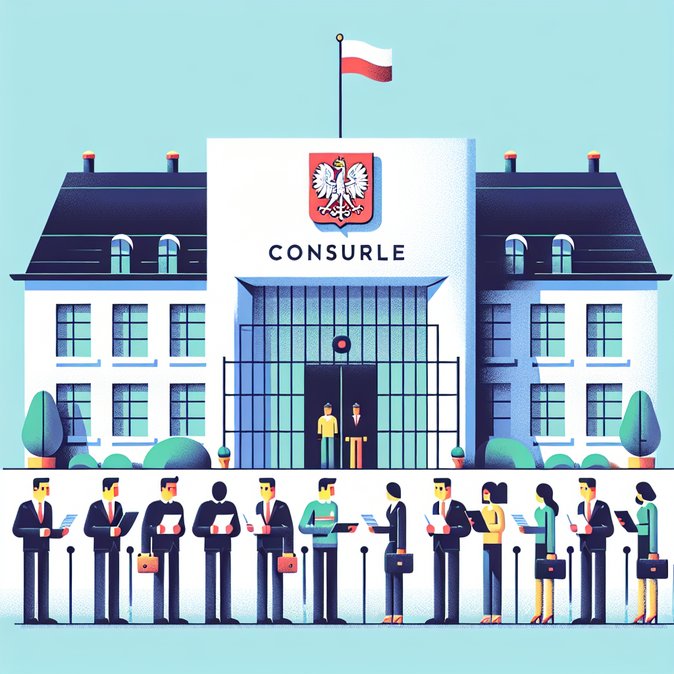
Poland’s Ministry of the Interior has published draft legislation that will prolong the entry ban and restricted-access zone along a 56-kilometre stretch of the Belarusian frontier in Podlaskie province until early June 2026. The exclusion zone, first imposed in June 2024 as an emergency response to a spike in irregular crossings allegedly orchestrated by Minsk, has since been renewed every 90 days. (tvpworld.com)
Under the proposed extension, only uniformed services, local residents who hold special passes, and accredited humanitarian staff will be allowed to enter the corridor. Journalists, hikers and tour operators who briefly regained access in 2025 will once again be barred. The ministry says the step is necessary because of the “constant migratory pressure” and continued attempts to breach the EU’s external border using “state-sponsored human smuggling”. (tvpworld.com)
For global mobility managers the measure means that business travel and project work near the Belarusian border will remain complicated. Companies operating in forestry, renewable-energy projects or road construction must continue to route personnel and equipment through guarded checkpoints, apply for individual passes and build extra lead-time into project schedules. Relocation providers are also warning expatriates in Białystok and Hajnówka counties that visiting certain nature reserves or property sites remains off-limits.
![Poland to Keep Exclusion Zone on Belarus Border for Another Three Months]()
At this juncture, travelers and corporate mobility planners may find it useful to consult VisaHQ, an online visa and passport service that continuously tracks Polish entry requirements and restricted zones; its Poland resource page (https://www.visahq.com/poland/) offers up-to-date guidance, application tools and customer support that can simplify the process of securing the right documentation or rerouting itineraries in light of the evolving border rules.
The renewed restrictions could have knock-on effects on cross-border transport. Truck drivers will see tighter screening and longer queuing times at the Kukuryki–Kozłowiczy and Bobrowniki border crossings, which are already operating under heightened security protocols. Logistics firms are therefore advising clients to divert freight via Lithuania or Slovakia where feasible.
While Polish officials frame the move as a security imperative, NGOs have criticised the blanket ban for limiting independent monitoring of push-back allegations. The European Commission has so far allowed the internal Schengen controls to continue but is expected to reassess proportionality when Warsaw submits its next notification in May 2026.
Under the proposed extension, only uniformed services, local residents who hold special passes, and accredited humanitarian staff will be allowed to enter the corridor. Journalists, hikers and tour operators who briefly regained access in 2025 will once again be barred. The ministry says the step is necessary because of the “constant migratory pressure” and continued attempts to breach the EU’s external border using “state-sponsored human smuggling”. (tvpworld.com)
For global mobility managers the measure means that business travel and project work near the Belarusian border will remain complicated. Companies operating in forestry, renewable-energy projects or road construction must continue to route personnel and equipment through guarded checkpoints, apply for individual passes and build extra lead-time into project schedules. Relocation providers are also warning expatriates in Białystok and Hajnówka counties that visiting certain nature reserves or property sites remains off-limits.
At this juncture, travelers and corporate mobility planners may find it useful to consult VisaHQ, an online visa and passport service that continuously tracks Polish entry requirements and restricted zones; its Poland resource page (https://www.visahq.com/poland/) offers up-to-date guidance, application tools and customer support that can simplify the process of securing the right documentation or rerouting itineraries in light of the evolving border rules.
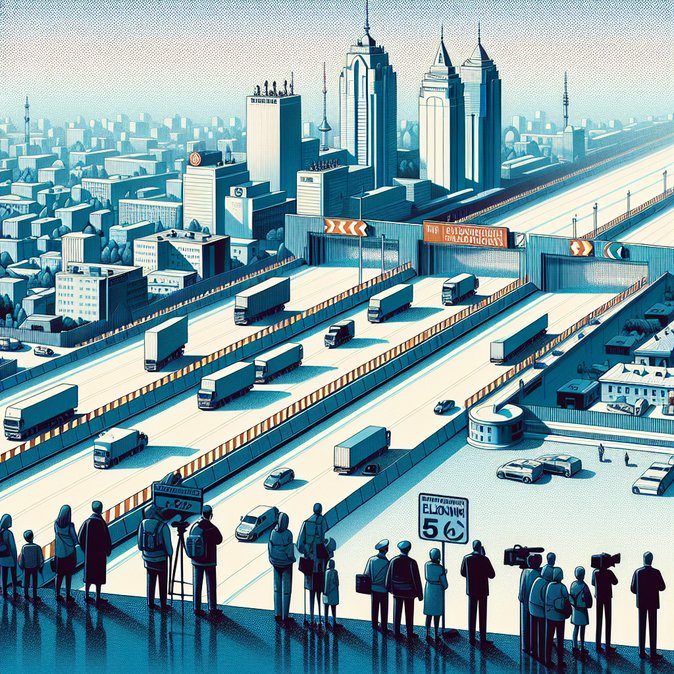
The renewed restrictions could have knock-on effects on cross-border transport. Truck drivers will see tighter screening and longer queuing times at the Kukuryki–Kozłowiczy and Bobrowniki border crossings, which are already operating under heightened security protocols. Logistics firms are therefore advising clients to divert freight via Lithuania or Slovakia where feasible.
While Polish officials frame the move as a security imperative, NGOs have criticised the blanket ban for limiting independent monitoring of push-back allegations. The European Commission has so far allowed the internal Schengen controls to continue but is expected to reassess proportionality when Warsaw submits its next notification in May 2026.