In an 18 February feature, The Local Switzerland compiled a ‘starter pack’ of administrative must-dos for people who have just relocated to the country. While not new legislation, the guidance reflects the most common compliance pitfalls flagged by cantonal authorities since the start of 2026.
Top of the list is securing the mandatory health-insurance policy within three months of arrival—failure to do so can lead to back-dated premiums and fines. Newcomers are also reminded to register with their local commune within 14 days, swap foreign driving licences within one year, and keep originals of rental contracts and employment agreements for permit renewals.
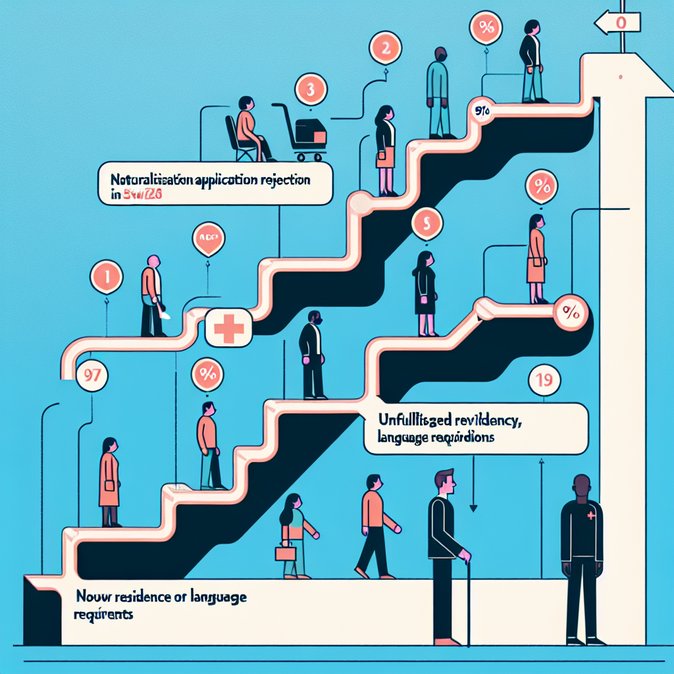
![Guide for newly arrived expatriates highlights paperwork priorities in Switzerland]()
For anyone keen to avoid paperwork headaches altogether, VisaHQ’s Switzerland portal (https://www.visahq.com/switzerland/) offers step-by-step digital support for visa applications, residence-permit renewals and the forthcoming ETIAS registration, helping both individuals and HR teams stay on the right side of Swiss compliance.
For employers, the article is a handy checklist to embed in onboarding materials. Missing any of these steps can derail a work-permit renewal or family-reunification application down the line. The piece also points readers to upcoming changes such as the phased roll-out of ETIAS from late 2026, encouraging early preparation.
Although practical rather than political, the guide supports smoother integration and reduces HR firefighting—an often overlooked but business-critical dimension of global mobility.
Top of the list is securing the mandatory health-insurance policy within three months of arrival—failure to do so can lead to back-dated premiums and fines. Newcomers are also reminded to register with their local commune within 14 days, swap foreign driving licences within one year, and keep originals of rental contracts and employment agreements for permit renewals.

For anyone keen to avoid paperwork headaches altogether, VisaHQ’s Switzerland portal (https://www.visahq.com/switzerland/) offers step-by-step digital support for visa applications, residence-permit renewals and the forthcoming ETIAS registration, helping both individuals and HR teams stay on the right side of Swiss compliance.
For employers, the article is a handy checklist to embed in onboarding materials. Missing any of these steps can derail a work-permit renewal or family-reunification application down the line. The piece also points readers to upcoming changes such as the phased roll-out of ETIAS from late 2026, encouraging early preparation.
Although practical rather than political, the guide supports smoother integration and reduces HR firefighting—an often overlooked but business-critical dimension of global mobility.