Switzerland has taken an important step toward synchronising its migration-control toolbox with that of the European Union. At its 18 February 2026 meeting, the Federal Council opened a three-month public consultation on a draft national Eurodac Ordinance. Eurodac is the EU’s upgraded biometric database for asylum-seekers and irregular border-crossers; because Switzerland is associated with Schengen/Dublin, it must mirror the new rules if it wants to retain full access to the system.
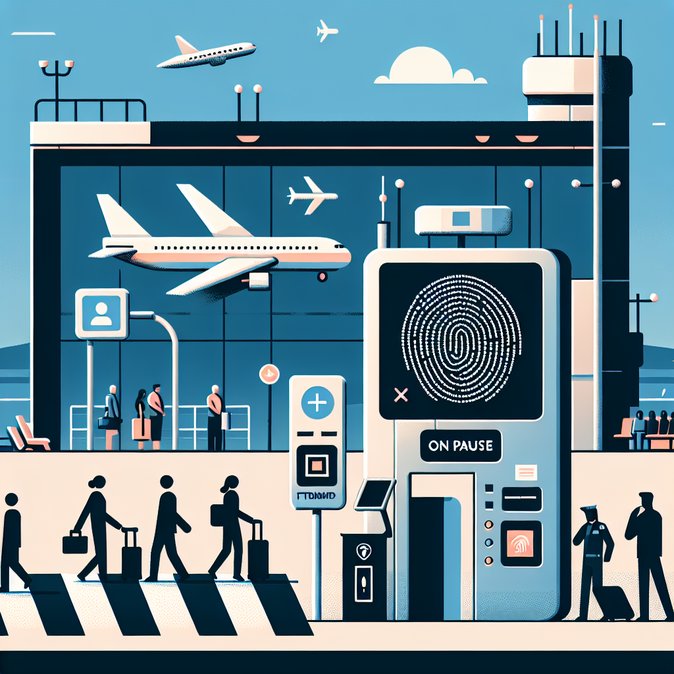
The ordinance would give Swiss authorities access not only to fingerprints—as is the case today—but also to facial images, full biographical data and information gleaned from visa and travel-authorisation systems. It expands Eurodac’s scope to cover people found to be staying irregularly anywhere in the Schengen Area, not just those who apply for asylum. The database is scheduled to go live in two stages, starting June 2026, and the draft ordinance bundles all necessary Swiss legal changes into a single instrument to provide legal certainty for cantonal police, border guards and visa sections abroad.
![Federal Council launches consultation on Swiss Eurodac Ordinance to adopt EU Migration & Asylum Pact]()
For corporate mobility programmes, the biggest operational impact will be on work-permit and visa applications submitted outside Switzerland. Consular officers will be able to cross-check applicants’ biometrics against the entire Schengen zone, making it far harder to conceal previous overstays or asylum claims lodged elsewhere. Companies that rotate staff among several European jurisdictions will therefore need to audit employees’ travel histories carefully before filings.
For additional, hands-on support, VisaHQ’s Switzerland desk can guide employers and individual travellers through the impending Eurodac-driven procedures, offering document pre-checks, biometric appointment scheduling and real-time status tracking across the Schengen zone. More information is available at https://www.visahq.com/switzerland/
The consultation runs until 25 May 2026,after which the government aims to finalise the ordinance so that it can enter into force before Eurodac’s second implementation phase later this year. HR and global-mobility managers are encouraged to review the draft and provide feedback—especially on data-protection safeguards and expected processing times—to ensure that the final rules strike the right balance between security and business-traveller convenience.
The ordinance would give Swiss authorities access not only to fingerprints—as is the case today—but also to facial images, full biographical data and information gleaned from visa and travel-authorisation systems. It expands Eurodac’s scope to cover people found to be staying irregularly anywhere in the Schengen Area, not just those who apply for asylum. The database is scheduled to go live in two stages, starting June 2026, and the draft ordinance bundles all necessary Swiss legal changes into a single instrument to provide legal certainty for cantonal police, border guards and visa sections abroad.

For corporate mobility programmes, the biggest operational impact will be on work-permit and visa applications submitted outside Switzerland. Consular officers will be able to cross-check applicants’ biometrics against the entire Schengen zone, making it far harder to conceal previous overstays or asylum claims lodged elsewhere. Companies that rotate staff among several European jurisdictions will therefore need to audit employees’ travel histories carefully before filings.
For additional, hands-on support, VisaHQ’s Switzerland desk can guide employers and individual travellers through the impending Eurodac-driven procedures, offering document pre-checks, biometric appointment scheduling and real-time status tracking across the Schengen zone. More information is available at https://www.visahq.com/switzerland/
The consultation runs until 25 May 2026,after which the government aims to finalise the ordinance so that it can enter into force before Eurodac’s second implementation phase later this year. HR and global-mobility managers are encouraged to review the draft and provide feedback—especially on data-protection safeguards and expected processing times—to ensure that the final rules strike the right balance between security and business-traveller convenience.