Airport Authority Hong Kong (AAHK) has confirmed that the long-awaited passenger-departure facilities at Hong Kong International Airport’s expanded Terminal 2 (T2) will come online on 27 May 2026. Announced during Lunar New Year celebrations on 17 February, the go-live date is timed to absorb peak summer traffic and restore HKIA’s pre-eminence as a South China aviation hub.
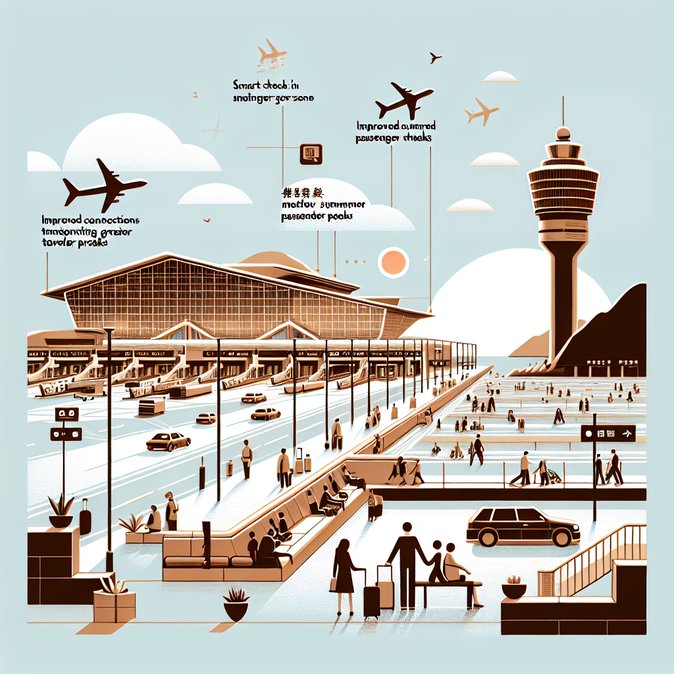
The refurbished T2 will house 15 mostly short-haul carriers, feature fully digital self-service check-in islands, and connect directly to the Airport Express rail platform. Once departures migrate, Terminal 1 and T2 will operate as a twin-terminal system similar to Singapore Changi’s arrangement, giving passengers more retail space and easing gate congestion that has plagued post-pandemic recovery flights.
For travelers who need to ensure their documents are in order before transiting Hong Kong or continuing on to mainland China, VisaHQ’s online visa and passport services can streamline the paperwork. The platform’s China section (https://www.visahq.com/china/) walks applicants through requirements, processing times, and digital forms, so mobility teams can align travel documents with the new terminal’s time-saving efficiencies.
![Hong Kong International Airport Sets 27 May Opening for New Terminal 2 Departure Hall]()
For corporate mobility managers, the new layout shortens minimum connection times for Pearl River Delta commuters riding cross-boundary coaches to the Coach Hall—already open since September 2025—and switching to air. AAHK is running familiarisation drills with airlines and ground-handlers to minimise teething problems, but travellers in the first weeks should expect soft-opening quirks such as signage tweaks and staff way-finding assistance.
Strategically, the T2 project underpins Hong Kong’s Greater Bay Area integration, enabling smoother flows of talent and cargo between Guangdong manufacturing bases and global markets. The terminal’s biometric e-gate corridors are certified for China’s new ‘Greater Bay Area Single-Token’ scheme, meaning eligible passengers will clear exit formalities once for both Hong Kong and mainland legs—valuable for shuttle executives.
Companies sending frequent flyers through Hong Kong should update travel briefings, particularly on airline relocation dates and new check-in counters. Mobility policies may also revisit preferred routings versus Shenzhen and Guangzhou airports as HKIA’s capacity and convenience improve.
The refurbished T2 will house 15 mostly short-haul carriers, feature fully digital self-service check-in islands, and connect directly to the Airport Express rail platform. Once departures migrate, Terminal 1 and T2 will operate as a twin-terminal system similar to Singapore Changi’s arrangement, giving passengers more retail space and easing gate congestion that has plagued post-pandemic recovery flights.
For travelers who need to ensure their documents are in order before transiting Hong Kong or continuing on to mainland China, VisaHQ’s online visa and passport services can streamline the paperwork. The platform’s China section (https://www.visahq.com/china/) walks applicants through requirements, processing times, and digital forms, so mobility teams can align travel documents with the new terminal’s time-saving efficiencies.
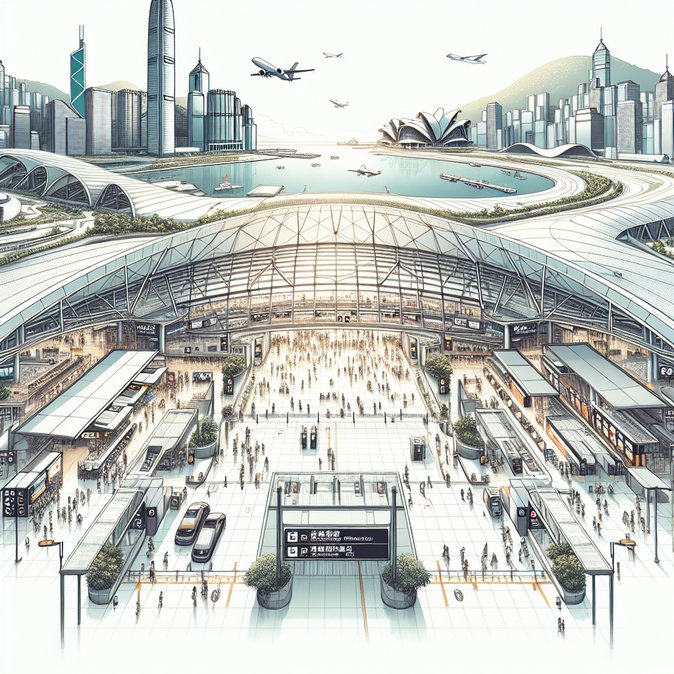
For corporate mobility managers, the new layout shortens minimum connection times for Pearl River Delta commuters riding cross-boundary coaches to the Coach Hall—already open since September 2025—and switching to air. AAHK is running familiarisation drills with airlines and ground-handlers to minimise teething problems, but travellers in the first weeks should expect soft-opening quirks such as signage tweaks and staff way-finding assistance.
Strategically, the T2 project underpins Hong Kong’s Greater Bay Area integration, enabling smoother flows of talent and cargo between Guangdong manufacturing bases and global markets. The terminal’s biometric e-gate corridors are certified for China’s new ‘Greater Bay Area Single-Token’ scheme, meaning eligible passengers will clear exit formalities once for both Hong Kong and mainland legs—valuable for shuttle executives.
Companies sending frequent flyers through Hong Kong should update travel briefings, particularly on airline relocation dates and new check-in counters. Mobility policies may also revisit preferred routings versus Shenzhen and Guangzhou airports as HKIA’s capacity and convenience improve.