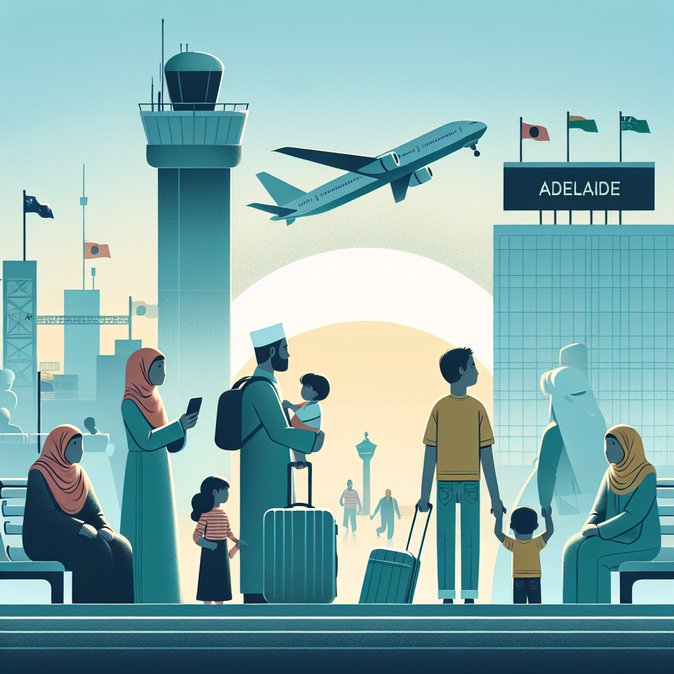
South Australia’s government is considering installing prominent, multilingual water-safety signs in Adelaide Airport’s international arrivals hall in response to a 27 percent rise in drownings among overseas-born residents, officials confirmed on 17 February. The move follows a National Drowning Report showing migrants accounted for one-third of Australia’s 357 drowning deaths in 2024-25.
Advocacy groups such as the Australian Migrant Resource Centre argue that many newcomers come from land-locked nations with limited swim culture and are unaware of local hazards like rip currents. Surf Life Saving Australia says traditional community outreach often misses tourists and recently arrived workers, making airport messaging a logical first point of contact.
If adopted, Adelaide would be Australia’s first gateway to embed water-safety advice into border-arrival processes. The concept could spread to Sydney, Melbourne and Perth, all of which have recorded fatalities involving international students and temporary workers.
![Adelaide Airport May Add Multilingual Water-Safety Warnings for New Arrivals After Migrant Drowning Spike]()
While authorities refine these safety initiatives, newcomers must still clear administrative hurdles before departure. VisaHQ’s online service (https://www.visahq.com/australia/) simplifies Australian visa applications for tourists, students and corporate assignees alike, allowing travelers to secure the correct documents quickly so they can focus on orientation matters—such as understanding local beach conditions—the moment they land.
For mobility and relocation providers, the proposal underscores the broader duty-of-care obligations that extend beyond visa compliance to personal safety of assignees and their families. Employers placing staff in coastal regions may need to incorporate beach-safety briefings into orientation programs.
The government will consult airlines, airport operators and multicultural agencies over design, languages and funding. Signs could appear as early as the 2026-27 summer peak if agreements are reached.
Advocacy groups such as the Australian Migrant Resource Centre argue that many newcomers come from land-locked nations with limited swim culture and are unaware of local hazards like rip currents. Surf Life Saving Australia says traditional community outreach often misses tourists and recently arrived workers, making airport messaging a logical first point of contact.
If adopted, Adelaide would be Australia’s first gateway to embed water-safety advice into border-arrival processes. The concept could spread to Sydney, Melbourne and Perth, all of which have recorded fatalities involving international students and temporary workers.

While authorities refine these safety initiatives, newcomers must still clear administrative hurdles before departure. VisaHQ’s online service (https://www.visahq.com/australia/) simplifies Australian visa applications for tourists, students and corporate assignees alike, allowing travelers to secure the correct documents quickly so they can focus on orientation matters—such as understanding local beach conditions—the moment they land.
For mobility and relocation providers, the proposal underscores the broader duty-of-care obligations that extend beyond visa compliance to personal safety of assignees and their families. Employers placing staff in coastal regions may need to incorporate beach-safety briefings into orientation programs.
The government will consult airlines, airport operators and multicultural agencies over design, languages and funding. Signs could appear as early as the 2026-27 summer peak if agreements are reached.