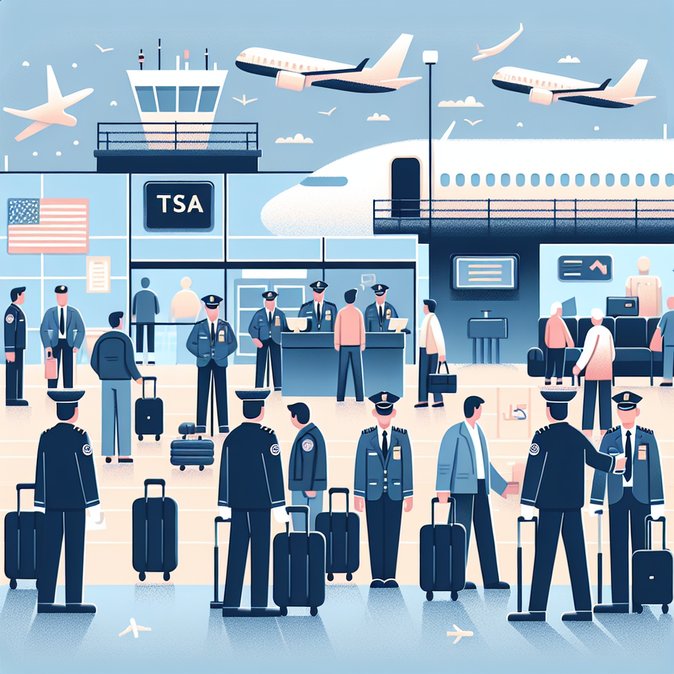
A funding lapse at the Department of Homeland Security (DHS) moved into its third day on 16 February, leaving about 50,000 Transportation Security Administration (TSA) screeners on duty without pay and triggering urgent warnings from airlines, hotel groups and airport managers. In past shutdowns—even when most DHS personnel were deemed “essential”—unpaid status led to a spike in sick-outs that forced the closure of entire checkpoints at New York’s LaGuardia and Houston’s Bush Intercontinental. Industry leaders fear a replay just as U.S. airports approach their busiest March on record, with Spring-Break demand already tracking 8 % above 2025 levels.
The standoff began after House and Senate negotiators failed to agree on Democratic proposals to place body cameras and clearer identification markers on ICE and CBP field officers. With Congress recessed until 23 February, TSA workers will miss at least one pay-cheque; the agency’s union says many live pay-to-pay and will be forced to call in sick or seek gig-work to cover rent. Airlines for America and the U.S. Travel Association cautioned that every percentage point increase in checkpoint wait-times ripples through the network, delaying departures, upsetting crew-duty windows and jeopardising tight international connections relied upon by business travellers.
Although air-traffic controllers are funded through the Federal Aviation Administration and remain paid, they rely on accurate passenger flow modelling from TSA to sequence take-offs. Longer security lines can therefore translate into gate holds and last-minute weight-and-balance changes that cost carriers millions. The shutdown also hits Global Entry enrolment centres, many of which are operated by CBP officers now working unpaid, slowing new registrations ahead of the 2026 FIFA World Cup, which the United States is co-hosting.
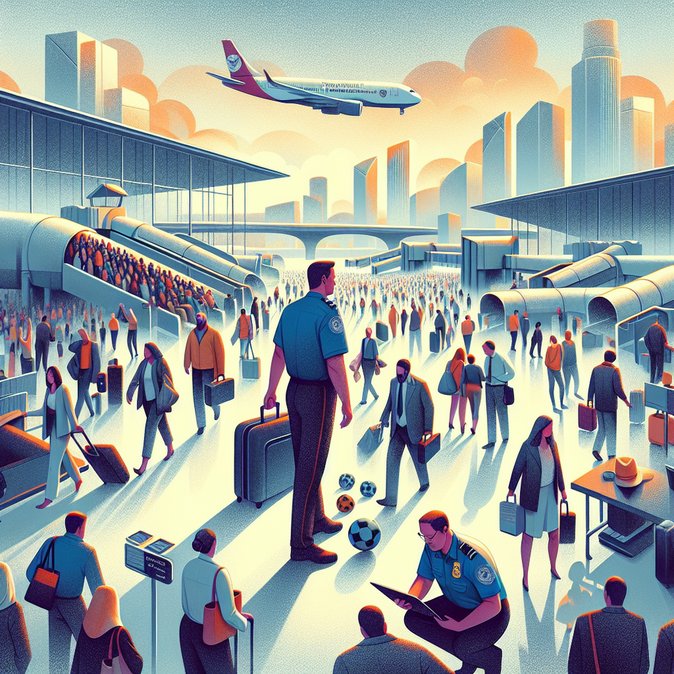
![Partial DHS shutdown pushes TSA agents to work unpaid, imperils spring-break travel]()
For travelers trying to stay ahead of the disruption, VisaHQ can remove much of the uncertainty around travel documents and entry requirements. By visiting its U.S. portal at https://www.visahq.com/united-states/ passengers can check visa rules, submit applications and receive real-time updates—helpful peace of mind when airport processes elsewhere are in flux.
Travel-risk managers are advising corporates to build an extra 60-90 minutes into domestic departure times, re-accommodate VIPs into TSA PreCheck lanes where possible, and remind travelling staff that reimbursement rules may not cover missed flights attributable to extraordinary security delays. If no funding bill is passed by early March, analysts estimate direct economic losses could approach the US $6 billion recorded during the 2023 shutdown, with an outsized share borne by the meetings-and-events sector.
Behind the scenes, airports are re-activating contingency plans drafted during COVID-19, including volunteer call-ups of administrative staff with prior screening certification and the deployment of canines to keep as many lanes open as possible. Yet with absenteeism already creeping upward at major hubs, even best-case scenarios point to a messy start of the leisure-heavy travel season unless lawmakers strike a deal before the next pay period.
The standoff began after House and Senate negotiators failed to agree on Democratic proposals to place body cameras and clearer identification markers on ICE and CBP field officers. With Congress recessed until 23 February, TSA workers will miss at least one pay-cheque; the agency’s union says many live pay-to-pay and will be forced to call in sick or seek gig-work to cover rent. Airlines for America and the U.S. Travel Association cautioned that every percentage point increase in checkpoint wait-times ripples through the network, delaying departures, upsetting crew-duty windows and jeopardising tight international connections relied upon by business travellers.
Although air-traffic controllers are funded through the Federal Aviation Administration and remain paid, they rely on accurate passenger flow modelling from TSA to sequence take-offs. Longer security lines can therefore translate into gate holds and last-minute weight-and-balance changes that cost carriers millions. The shutdown also hits Global Entry enrolment centres, many of which are operated by CBP officers now working unpaid, slowing new registrations ahead of the 2026 FIFA World Cup, which the United States is co-hosting.
For travelers trying to stay ahead of the disruption, VisaHQ can remove much of the uncertainty around travel documents and entry requirements. By visiting its U.S. portal at https://www.visahq.com/united-states/ passengers can check visa rules, submit applications and receive real-time updates—helpful peace of mind when airport processes elsewhere are in flux.
Travel-risk managers are advising corporates to build an extra 60-90 minutes into domestic departure times, re-accommodate VIPs into TSA PreCheck lanes where possible, and remind travelling staff that reimbursement rules may not cover missed flights attributable to extraordinary security delays. If no funding bill is passed by early March, analysts estimate direct economic losses could approach the US $6 billion recorded during the 2023 shutdown, with an outsized share borne by the meetings-and-events sector.
Behind the scenes, airports are re-activating contingency plans drafted during COVID-19, including volunteer call-ups of administrative staff with prior screening certification and the deployment of canines to keep as many lanes open as possible. Yet with absenteeism already creeping upward at major hubs, even best-case scenarios point to a messy start of the leisure-heavy travel season unless lawmakers strike a deal before the next pay period.