Germany’s Interior Minister Alexander Dobrindt confirmed late on 15 February that the temporary controls at all German land borders—including the 467-kilometre frontier with Poland—will be prolonged for a further six months, until at least 15 September 2026.
Why it matters for Poland
The Polish-German border is the busiest east-west artery in the EU single market, handling €37 billion in bilateral trade last year and supporting tens of thousands of daily commuter journeys. Extended checkpoints mean:
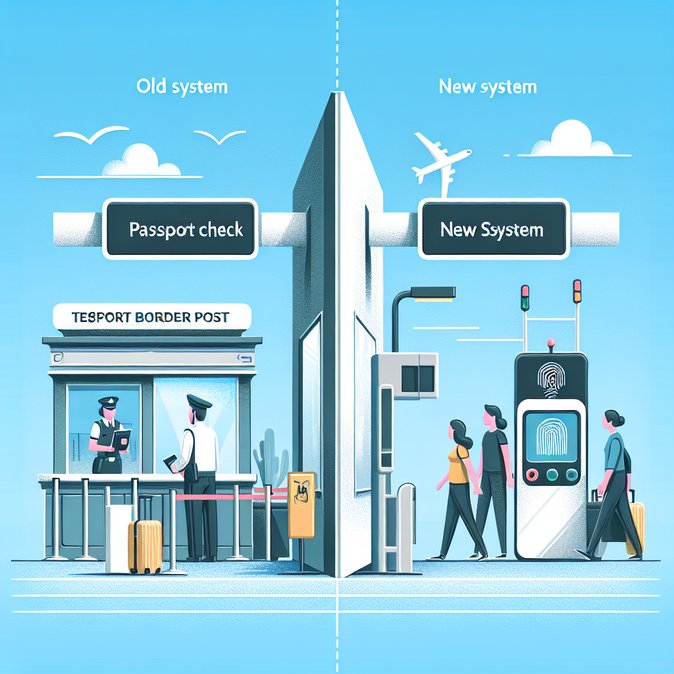
• Systematic ID spot-checks continue on the A12 motorway and key rail routes (Poznań–Berlin, Wrocław–Dresden).
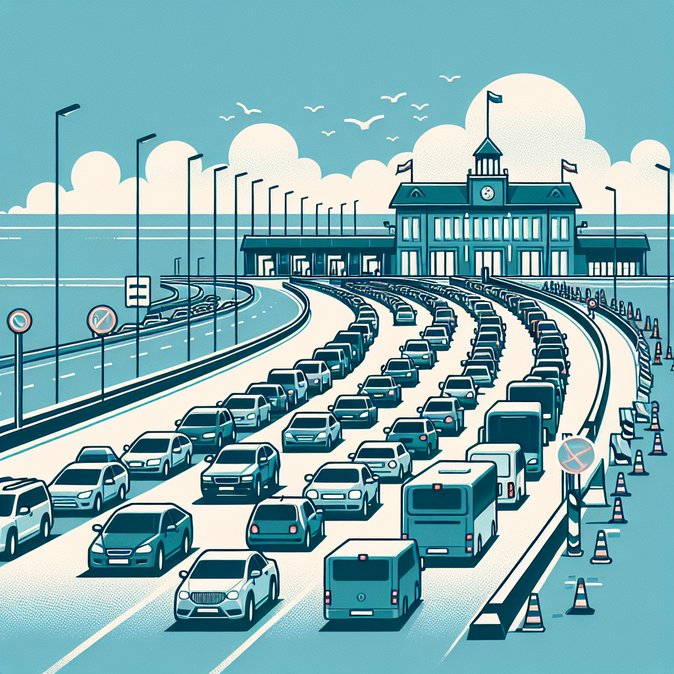
• Average truck transit times, which fell to 20 minutes after Christmas, already crept back to 45 minutes during January’s trial extensions; logistics firms expect further delays as holiday traffic picks up in spring.
• Polish service technicians on 48-hour assignments in Germany must still factor in possible secondary inspections and carry assignment letters.
Berlin’s justification
Dobrindt called the controls “an element of our new migration architecture,” citing a 38-percent rise in irregular entries detected at the Polish border in 2025. The ministry said 24 smuggling networks were dismantled during the previous six-month period and argued that without checks the numbers would rebound.
![Germany Extends Land-Border Checks to September 2026, Raising Concerns for Polish Trade Routes]()
Warsaw’s reaction
Poland’s Ministry of the Interior expressed “regret” over the unilateral decision but stopped short of retaliation. Deputy Minister Czesław Mroczek noted that Poland itself imposes ad-hoc checks on its eastern flank and therefore “understands the security rationale,” yet called for EU-level coordination to avoid undermining Schengen.
Business impact and mitigation
1. Manufacturing supply chains: just-in-time auto factories clustered around Wrocław and Poznań have resurrected contingency stockpiles cancelled after 2022’s COVID border woes.
2. Posted-worker projects: Polish construction firms executing short-cycle contracts in Brandenburg now dispatch crews the evening before shift start to absorb potential queues.
3. Long-distance coaches: operators report a 7-percent drop in Warsaw–Berlin ticket sales since October; some plan to reroute via the Czech Republic despite the longer distance to avoid peak-hour waits at Świecko.
For individual travellers and businesses now navigating these heightened document checks, VisaHQ can streamline the process. Through its Poland portal (https://www.visahq.com/poland/), the service quickly clarifies whether supplementary visas, work permits, or electronic entry forms are required for Germany or onward Schengen travel, and can arrange fast courier delivery of approved paperwork—reducing the risk of delays at the border.
Outlook
Although Berlin insists the controls are “temporary”, political analysts see little appetite to lift them before Germany’s 2027 federal elections. Businesses on both sides of the Oder therefore brace for a semi-permanent layer of friction in what had been EU’s flagship open-border corridor.
Why it matters for Poland
The Polish-German border is the busiest east-west artery in the EU single market, handling €37 billion in bilateral trade last year and supporting tens of thousands of daily commuter journeys. Extended checkpoints mean:
• Systematic ID spot-checks continue on the A12 motorway and key rail routes (Poznań–Berlin, Wrocław–Dresden).
• Average truck transit times, which fell to 20 minutes after Christmas, already crept back to 45 minutes during January’s trial extensions; logistics firms expect further delays as holiday traffic picks up in spring.
• Polish service technicians on 48-hour assignments in Germany must still factor in possible secondary inspections and carry assignment letters.
Berlin’s justification
Dobrindt called the controls “an element of our new migration architecture,” citing a 38-percent rise in irregular entries detected at the Polish border in 2025. The ministry said 24 smuggling networks were dismantled during the previous six-month period and argued that without checks the numbers would rebound.
Warsaw’s reaction
Poland’s Ministry of the Interior expressed “regret” over the unilateral decision but stopped short of retaliation. Deputy Minister Czesław Mroczek noted that Poland itself imposes ad-hoc checks on its eastern flank and therefore “understands the security rationale,” yet called for EU-level coordination to avoid undermining Schengen.
Business impact and mitigation
1. Manufacturing supply chains: just-in-time auto factories clustered around Wrocław and Poznań have resurrected contingency stockpiles cancelled after 2022’s COVID border woes.
2. Posted-worker projects: Polish construction firms executing short-cycle contracts in Brandenburg now dispatch crews the evening before shift start to absorb potential queues.
3. Long-distance coaches: operators report a 7-percent drop in Warsaw–Berlin ticket sales since October; some plan to reroute via the Czech Republic despite the longer distance to avoid peak-hour waits at Świecko.
For individual travellers and businesses now navigating these heightened document checks, VisaHQ can streamline the process. Through its Poland portal (https://www.visahq.com/poland/), the service quickly clarifies whether supplementary visas, work permits, or electronic entry forms are required for Germany or onward Schengen travel, and can arrange fast courier delivery of approved paperwork—reducing the risk of delays at the border.
Outlook
Although Berlin insists the controls are “temporary”, political analysts see little appetite to lift them before Germany’s 2027 federal elections. Businesses on both sides of the Oder therefore brace for a semi-permanent layer of friction in what had been EU’s flagship open-border corridor.