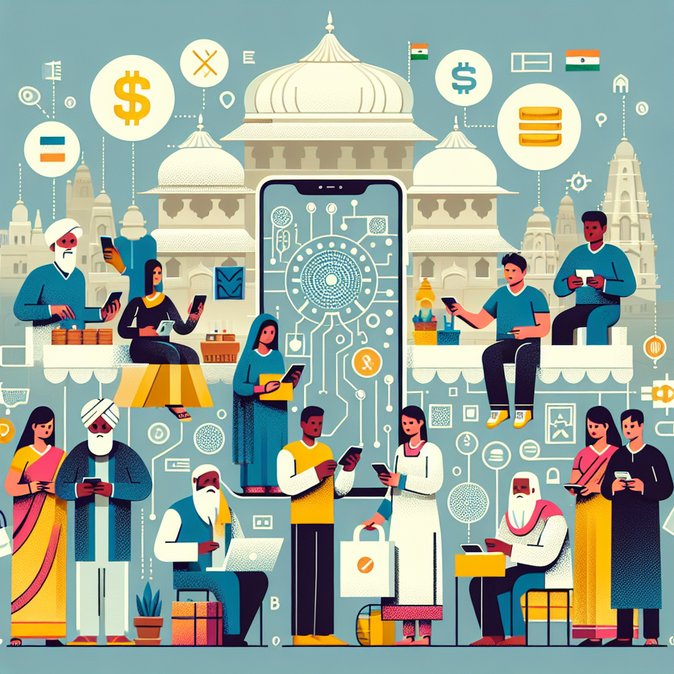
Foreign delegates landing in Delhi for the India AI Impact Summit can now pay like locals, thanks to the National Payments Corporation of India’s expansion of its ‘UPI One World’ pilot. Announced on the opening day of the summit, the facility lets travellers from more than 40 countries open a rupee-denominated prepaid wallet, load it with up to ₹50,000 using an international debit or credit card, and spend anywhere the ubiquitous UPI QR code is accepted.
Before tapping to pay, delegates must secure entry visas, and that’s where VisaHQ can simplify the process. The online platform guides travellers through India’s e-Visa or traditional sticker-visa requirements, offers real-time status updates and document checks, and even provides expedited options—see https://www.visahq.com/india/ for details. Having paperwork sorted in advance lets visitors focus on loading their UPI One World wallets rather than queuing at consulates.
Registration takes minutes at kiosks in Indira Gandhi International Airport or the NPCI pavilion at Bharat Mandapam: a passport scan, visa copy and selfie are all that is required. The wallet works offline and online for person-to-merchant (P2M) payments, mirroring the experience Indian residents enjoy. Any unspent balance can be refunded in foreign currency on departure under RBI forex rules.
![NPCI rolls out “UPI One World” prepaid wallet for foreign visitors at India AI Impact Summit]()
While the product is currently limited to summit attendees, NPCI says the goal is to make UPI One World a permanent feature for inbound tourists ahead of the 2026-27 winter season. Industry bodies such as the Hotel Association of India have welcomed the move, noting that card interchange fees and cash-handling costs have long irked travellers.
For mobility and relocation managers the pilot is a glimpse into a friction-free expense ecosystem: short-term assignees would no longer need to open local bank accounts or carry large amounts of cash for taxis, per diems or SIM cards. The scheme also strengthens India’s pitch to host more global conferences by eliminating a common pain-point—payment acceptance—at the border.
UPI processed 17 billion domestic transactions in January alone; extending even a sliver of that efficiency to foreign guests could reshape how business travel is conducted in the sub-continent.
Before tapping to pay, delegates must secure entry visas, and that’s where VisaHQ can simplify the process. The online platform guides travellers through India’s e-Visa or traditional sticker-visa requirements, offers real-time status updates and document checks, and even provides expedited options—see https://www.visahq.com/india/ for details. Having paperwork sorted in advance lets visitors focus on loading their UPI One World wallets rather than queuing at consulates.
Registration takes minutes at kiosks in Indira Gandhi International Airport or the NPCI pavilion at Bharat Mandapam: a passport scan, visa copy and selfie are all that is required. The wallet works offline and online for person-to-merchant (P2M) payments, mirroring the experience Indian residents enjoy. Any unspent balance can be refunded in foreign currency on departure under RBI forex rules.
While the product is currently limited to summit attendees, NPCI says the goal is to make UPI One World a permanent feature for inbound tourists ahead of the 2026-27 winter season. Industry bodies such as the Hotel Association of India have welcomed the move, noting that card interchange fees and cash-handling costs have long irked travellers.
For mobility and relocation managers the pilot is a glimpse into a friction-free expense ecosystem: short-term assignees would no longer need to open local bank accounts or carry large amounts of cash for taxis, per diems or SIM cards. The scheme also strengthens India’s pitch to host more global conferences by eliminating a common pain-point—payment acceptance—at the border.
UPI processed 17 billion domestic transactions in January alone; extending even a sliver of that efficiency to foreign guests could reshape how business travel is conducted in the sub-continent.