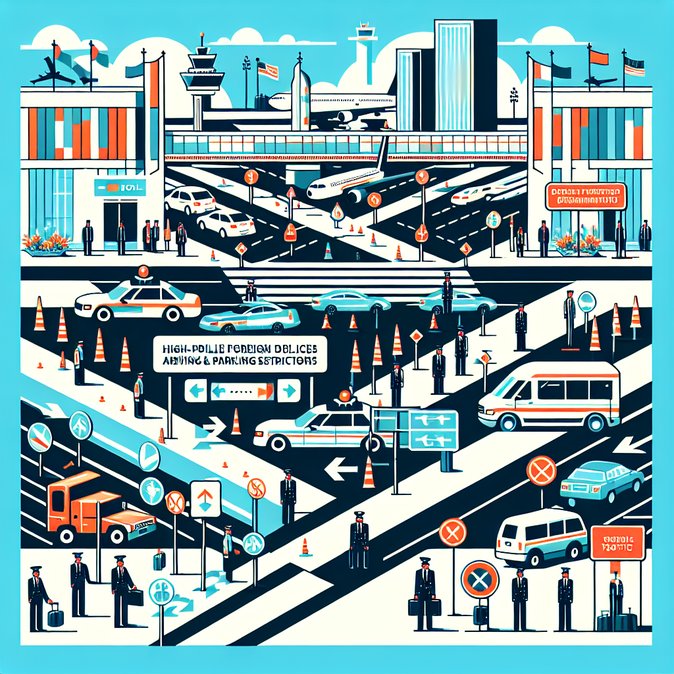
With ministers, tech CEOs and delegations from more than 60 countries descending on New Delhi for the 16–20 February AI Impact Summit, the city’s traffic police have rolled out one of the most detailed movement plans since the 2023 G-20 meetings. Arterial roads such as Mathura Road, Janpath and Shanti Path will see dynamic closures during VIP convoys, while vehicles not bound for the capital are being diverted to the Eastern and Western Peripheral Expressways.
Passengers heading to Indira Gandhi International Airport have been advised to stick to NH-48 and the Dwarka Tunnel, avoiding central Delhi altogether. Rail users are asked to favour Ring Road corridors to reach New Delhi, Old Delhi and Hazrat Nizamuddin stations. Shuttle buses will run between remote parking lots and the summit venue, Bharat Mandapam, to keep its limited forecourt vehicle-free.
![Delhi issues extensive traffic and access curbs for AI Impact Summit, urges air-rail passengers to reroute]()
Amid these logistical complications, travellers juggling visa paperwork can save valuable time by using VisaHQ’s India portal (https://www.visahq.com/india/). The service streamlines everything from e-visa applications to business invitations, allowing delegates to track their documents online while focusing on real-time traffic updates and schedule changes.
For corporate mobility planners the advisory is a reminder that domestic bottlenecks can derail tight international itineraries: connecting flights, visa-on-arrival formalities and even critical immigration appointments in the capital could be missed if ground transport buffers are not built in. Several multinational firms have shifted meetings to Gurugram or conducted them virtually to avoid last-minute snags.
The summit is also serving as a dry-run for India’s bid to host large-scale events linked to the Global Partnership on AI later in the year, underlining how urban traffic management is increasingly part of the global-mobility playbook.
Passengers heading to Indira Gandhi International Airport have been advised to stick to NH-48 and the Dwarka Tunnel, avoiding central Delhi altogether. Rail users are asked to favour Ring Road corridors to reach New Delhi, Old Delhi and Hazrat Nizamuddin stations. Shuttle buses will run between remote parking lots and the summit venue, Bharat Mandapam, to keep its limited forecourt vehicle-free.
Amid these logistical complications, travellers juggling visa paperwork can save valuable time by using VisaHQ’s India portal (https://www.visahq.com/india/). The service streamlines everything from e-visa applications to business invitations, allowing delegates to track their documents online while focusing on real-time traffic updates and schedule changes.
For corporate mobility planners the advisory is a reminder that domestic bottlenecks can derail tight international itineraries: connecting flights, visa-on-arrival formalities and even critical immigration appointments in the capital could be missed if ground transport buffers are not built in. Several multinational firms have shifted meetings to Gurugram or conducted them virtually to avoid last-minute snags.
The summit is also serving as a dry-run for India’s bid to host large-scale events linked to the Global Partnership on AI later in the year, underlining how urban traffic management is increasingly part of the global-mobility playbook.