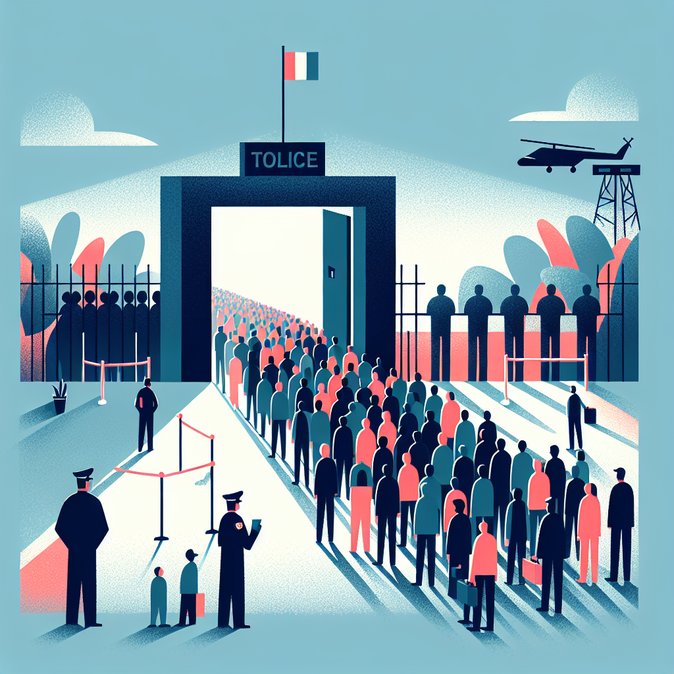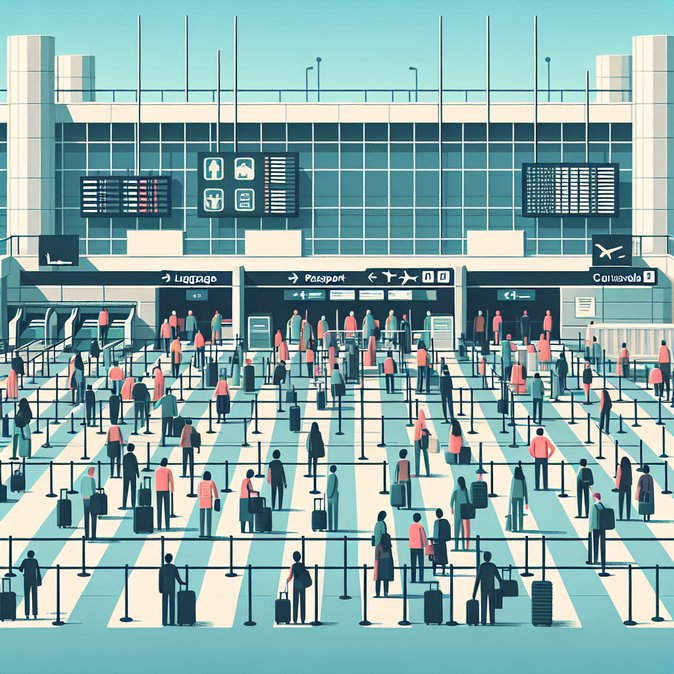
Spain’s tourism-heavy economy could face hours-long queues at passport control this summer unless Brussels pauses key parts of the new Schengen Entry/Exit System (EES), industry bodies warned on 16 February. In a joint statement cited by Euro Weekly News and Travel & Tour World, Airports Council International (ACI Europe), Airlines for Europe (A4E) and the International Air Transport Association (IATA) said the biometrics-based scheme—due to reach 100 percent coverage of third-country nationals from 10 April—"is not operationally ready".
Under the phased roll-out, only 35 percent of non-EU travellers currently submit fingerprints and facial images when entering Spain. Moving to full capture just weeks before peak season risks pushing waiting times from an already-observed two hours to “four hours or more”, the groups claim. Chronic understaffing at Policía Nacional booths, patchy performance of automated kiosks and the slow take-up of a Frontex pre-registration app are cited as root causes.
![Airports, Airlines Urge Emergency Review of Schengen Entry/Exit System Ahead of Spain’s Summer Rush]()
For travellers who would rather not navigate these shifting border requirements alone, VisaHQ can help streamline the process. The company’s online portal (https://www.visahq.com/spain/) offers up-to-date guidance on Spain’s EES rules, assists with visa applications for Schengen or other destinations, and supplies real-time alerts that corporate travel managers can feed straight into their duty-of-care systems.
Spain’s major gateways—Madrid-Barajas, Barcelona-El Prat and Málaga—processed more than 10 million non-EU passengers last July–August alone. Hoteliers fear that scenes of overcrowded arrival halls could dent the country’s key meetings-and-incentives market just as corporate travel spending is rebounding. Airlines warn of knock-on effects for connections: missed intra-Europe links would cascade across tightly-banked flight schedules.
Industry leaders want the European Commission to keep an “emergency handbrake” that lets member states partially suspend biometric capture until 31 October 2026. For global mobility managers the advice is pragmatic: brief travellers to expect longer border formalities, build extra transit time into itineraries, and monitor carrier alerts in case Spain or other Schengen states trigger local suspensions at short notice.
Under the phased roll-out, only 35 percent of non-EU travellers currently submit fingerprints and facial images when entering Spain. Moving to full capture just weeks before peak season risks pushing waiting times from an already-observed two hours to “four hours or more”, the groups claim. Chronic understaffing at Policía Nacional booths, patchy performance of automated kiosks and the slow take-up of a Frontex pre-registration app are cited as root causes.

For travellers who would rather not navigate these shifting border requirements alone, VisaHQ can help streamline the process. The company’s online portal (https://www.visahq.com/spain/) offers up-to-date guidance on Spain’s EES rules, assists with visa applications for Schengen or other destinations, and supplies real-time alerts that corporate travel managers can feed straight into their duty-of-care systems.
Spain’s major gateways—Madrid-Barajas, Barcelona-El Prat and Málaga—processed more than 10 million non-EU passengers last July–August alone. Hoteliers fear that scenes of overcrowded arrival halls could dent the country’s key meetings-and-incentives market just as corporate travel spending is rebounding. Airlines warn of knock-on effects for connections: missed intra-Europe links would cascade across tightly-banked flight schedules.
Industry leaders want the European Commission to keep an “emergency handbrake” that lets member states partially suspend biometric capture until 31 October 2026. For global mobility managers the advice is pragmatic: brief travellers to expect longer border formalities, build extra transit time into itineraries, and monitor carrier alerts in case Spain or other Schengen states trigger local suspensions at short notice.