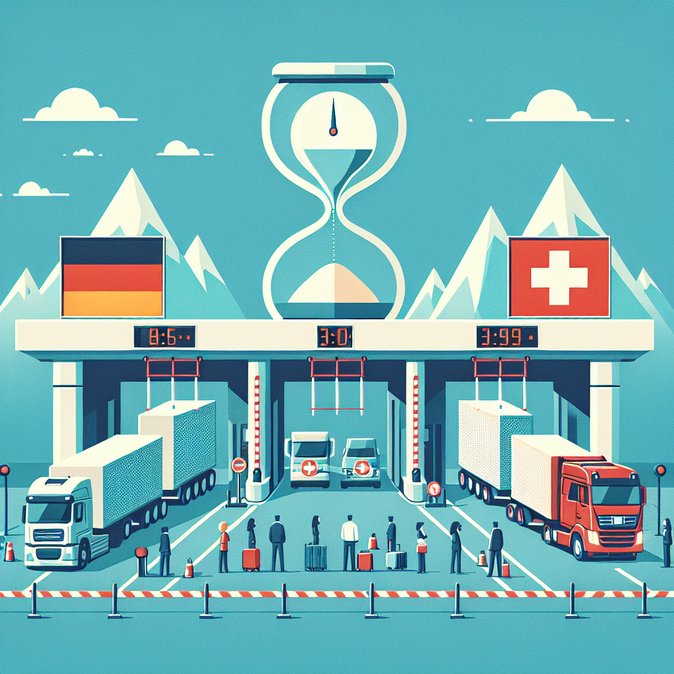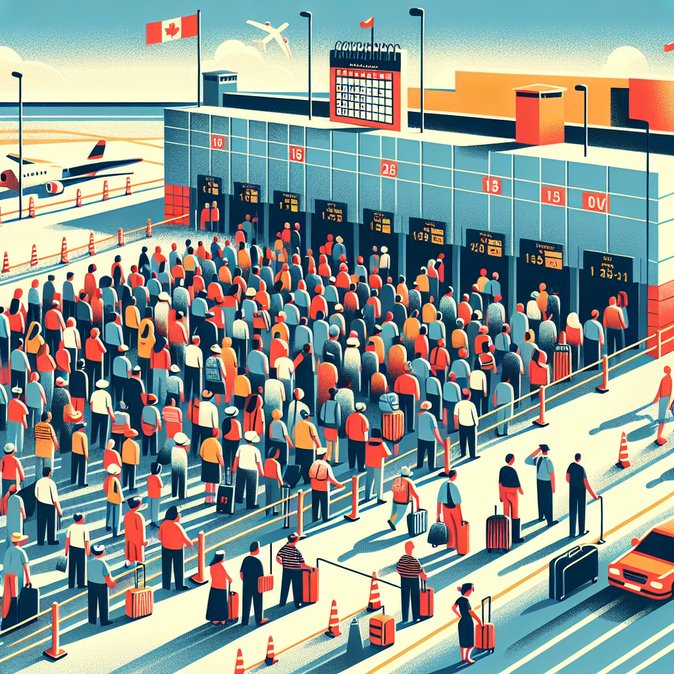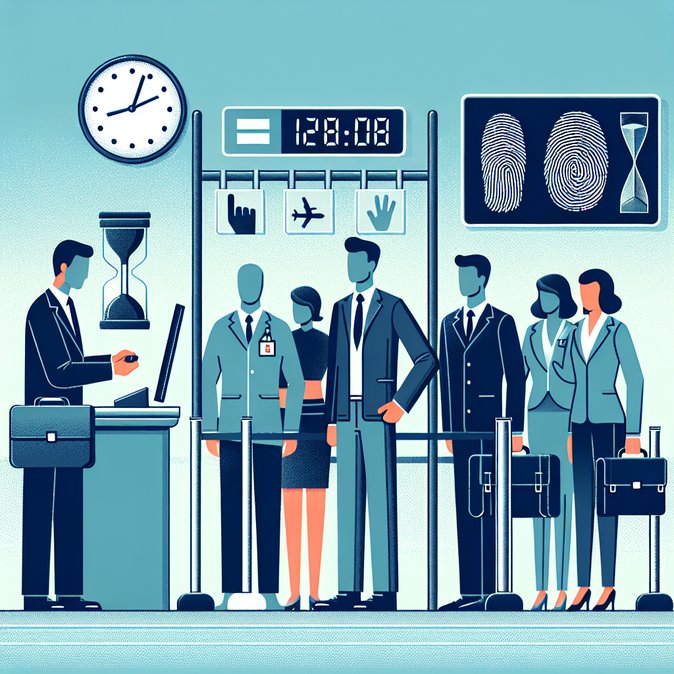
Switzerland on Monday joined more than twenty EU and Schengen partners in switching on the biometric Entry/Exit System (EES) for third-country travellers—an upgrade that replaces manual passport stamping with facial-recognition and fingerprint scans. Within hours of the 16 February go-live, Zurich and Geneva airports reported passport-control wait times of 60–80 minutes, far above the 15-minute service standard airlines use for minimum connection guarantees.
The EES is part of the EU’s border-digitalisation package that will become mandatory across the Schengen Area by 10 April 2026. For Switzerland, a non-EU but Schengen-associated state, the system promises stronger overstay detection and easier statistics on migration flows. In the short term, however, the technology is straining staffing models. Zurich Airport said it had to redeploy ground agents to ‘floor-walker’ roles to help travellers navigate the kiosks, while Geneva asked carriers to stagger check-in closing times to avoid bottlenecks.
For travellers and corporate mobility teams who want to make sure their documentation is flawless before reaching these new biometric gates, VisaHQ’s Switzerland portal (https://www.visahq.com/switzerland/) provides a quick, user-friendly way to verify visa needs, assemble required paperwork and receive reminders about fingerprint or photo specifications. The service can even manage courier submissions and real-time tracking, reducing the risk of airport surprises during the EES rollout.
![New Biometric Entry/Exit System Triggers Long Queues at Swiss Airports as EU Roll-Out Accelerates]()
Airlines for Europe (A4E), IATA and the Airports Council International Europe have urged Brussels to delay full enforcement until after the summer peak. They argue that hardware bugs, patchy Wi-Fi and understaffed police booths could snowball into missed flights and compensation claims worth tens of millions of euros. Swiss International Air Lines has already warned corporate clients to arrive at least three hours before long-haul departures and to avoid tight intra-Schengen connections when booking multi-segment itineraries.
Travel-risk consultants say mobility teams should update pre-trip communications: non-EU assignees and visitors must expect biometric enrolment on every entry and will need to keep fingers free of bandages or henna that can foil scanners. Companies collecting employees’ Personal Identifiable Information for visa vetting must also review GDPR compliance, as the EES stores biometric templates for three years.
Looking ahead, the Federal Office of Police (fedpol) is racing to integrate the forthcoming Swiss e-ID with EES kiosks, so that citizens re-entering from non-Schengen trips can use the same lanes. Until then, even Swiss nationals may experience spill-over queues as officers are diverted to assist overwhelmed foreign-passenger lines.
The EES is part of the EU’s border-digitalisation package that will become mandatory across the Schengen Area by 10 April 2026. For Switzerland, a non-EU but Schengen-associated state, the system promises stronger overstay detection and easier statistics on migration flows. In the short term, however, the technology is straining staffing models. Zurich Airport said it had to redeploy ground agents to ‘floor-walker’ roles to help travellers navigate the kiosks, while Geneva asked carriers to stagger check-in closing times to avoid bottlenecks.
For travellers and corporate mobility teams who want to make sure their documentation is flawless before reaching these new biometric gates, VisaHQ’s Switzerland portal (https://www.visahq.com/switzerland/) provides a quick, user-friendly way to verify visa needs, assemble required paperwork and receive reminders about fingerprint or photo specifications. The service can even manage courier submissions and real-time tracking, reducing the risk of airport surprises during the EES rollout.

Airlines for Europe (A4E), IATA and the Airports Council International Europe have urged Brussels to delay full enforcement until after the summer peak. They argue that hardware bugs, patchy Wi-Fi and understaffed police booths could snowball into missed flights and compensation claims worth tens of millions of euros. Swiss International Air Lines has already warned corporate clients to arrive at least three hours before long-haul departures and to avoid tight intra-Schengen connections when booking multi-segment itineraries.
Travel-risk consultants say mobility teams should update pre-trip communications: non-EU assignees and visitors must expect biometric enrolment on every entry and will need to keep fingers free of bandages or henna that can foil scanners. Companies collecting employees’ Personal Identifiable Information for visa vetting must also review GDPR compliance, as the EES stores biometric templates for three years.
Looking ahead, the Federal Office of Police (fedpol) is racing to integrate the forthcoming Swiss e-ID with EES kiosks, so that citizens re-entering from non-Schengen trips can use the same lanes. Until then, even Swiss nationals may experience spill-over queues as officers are diverted to assist overwhelmed foreign-passenger lines.