Helicopter pilot Graham Kerridge was on a routine charter flight near Dauan Island at dawn on Monday when he spotted three unfamiliar wooden vessels powering south-west toward Indonesian waters. Within hours local leaders had forwarded photographs to the Australian Border Force (ABF), fuelling concerns about a surge in illegal fishing and potential immigration breaches in the Torres Strait.
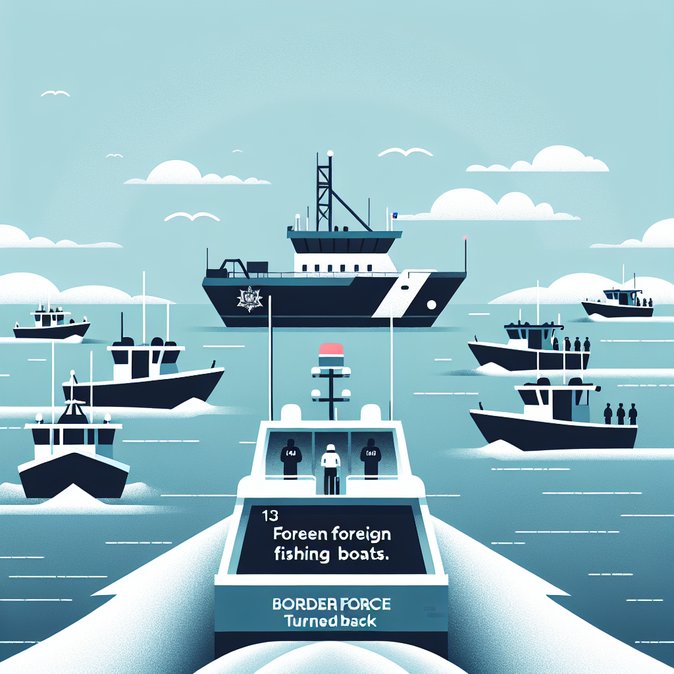
ABC Far North reports that 13 foreign boats—mostly Indonesian-flagged—have been intercepted in Far North Queensland waters since 1 January, prompting the ABF to initiate a multi-agency operation that combines aerial surveillance, Coastwatch fixed-wing assets and Royal Australian Navy patrol boats. Two of the weekend interceptions occurred barely an hour from Thursday Island; officers escorted the craft back across the maritime boundary and seized fishing gear and hundreds of kilograms of salt used for curing catch.
Torres Strait mayors say their communities feel “violated” and fear both over-fishing of prized trochus shells and bio-security risks. Residents are calling for a formal briefing on how many boats slip through and whether people-smuggling syndicates are testing Australia’s northern border defences.
![Border Force launches new patrols after foreign fishing flotilla breaches Torres Strait]()
For organisations that regularly dispatch personnel to Australia’s northern approaches, specialist support can be invaluable. VisaHQ offers streamlined visa processing, document verification and real-time application tracking through its Australian portal (https://www.visahq.com/australia/), ensuring crews and corporate travellers secure the correct permissions before they encounter maritime or airport checkpoints.
From a corporate-mobility perspective the episode underscores Australia’s uncompromising approach to maritime border control. Any perception of lax enforcement can trigger rapid operational surges that divert naval and air-force resources—potentially delaying search-and-rescue flights or medevacs servicing remote mining and LNG operations across Cape York. Companies moving personnel or freight through the Torres Strait should monitor ABF notices, allow buffer time for vessel clearances and ensure all crew have documentary proof of right-of-entry to avoid being caught in enforcement sweeps.
The new patrol posture also signals Canberra’s willingness to escalate quickly when traditional and environmental interests converge—a trend mobility managers must track as climate-driven resource pressures lead to more frequent regional incursions.
ABC Far North reports that 13 foreign boats—mostly Indonesian-flagged—have been intercepted in Far North Queensland waters since 1 January, prompting the ABF to initiate a multi-agency operation that combines aerial surveillance, Coastwatch fixed-wing assets and Royal Australian Navy patrol boats. Two of the weekend interceptions occurred barely an hour from Thursday Island; officers escorted the craft back across the maritime boundary and seized fishing gear and hundreds of kilograms of salt used for curing catch.
Torres Strait mayors say their communities feel “violated” and fear both over-fishing of prized trochus shells and bio-security risks. Residents are calling for a formal briefing on how many boats slip through and whether people-smuggling syndicates are testing Australia’s northern border defences.

For organisations that regularly dispatch personnel to Australia’s northern approaches, specialist support can be invaluable. VisaHQ offers streamlined visa processing, document verification and real-time application tracking through its Australian portal (https://www.visahq.com/australia/), ensuring crews and corporate travellers secure the correct permissions before they encounter maritime or airport checkpoints.
From a corporate-mobility perspective the episode underscores Australia’s uncompromising approach to maritime border control. Any perception of lax enforcement can trigger rapid operational surges that divert naval and air-force resources—potentially delaying search-and-rescue flights or medevacs servicing remote mining and LNG operations across Cape York. Companies moving personnel or freight through the Torres Strait should monitor ABF notices, allow buffer time for vessel clearances and ensure all crew have documentary proof of right-of-entry to avoid being caught in enforcement sweeps.
The new patrol posture also signals Canberra’s willingness to escalate quickly when traditional and environmental interests converge—a trend mobility managers must track as climate-driven resource pressures lead to more frequent regional incursions.