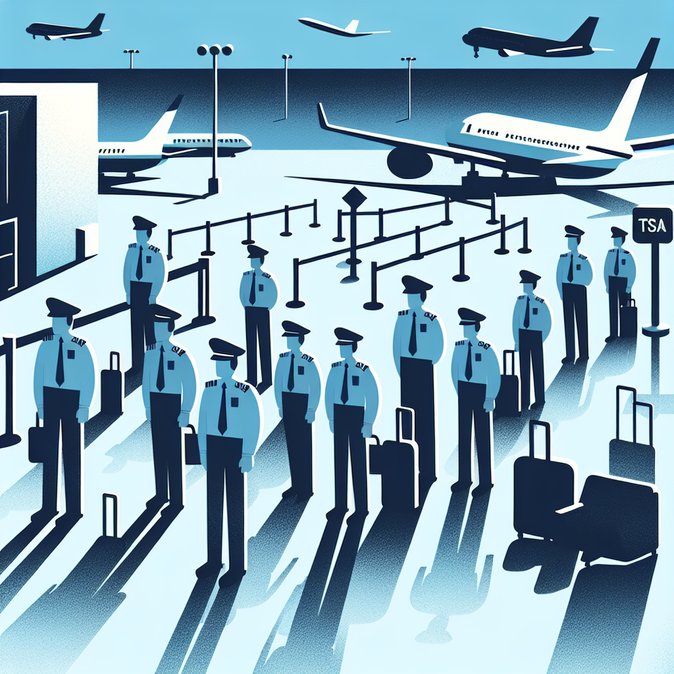
The U.S. Department of Homeland Security entered a partial shutdown at 12:01 a.m. on February 14 after the Senate failed to clear a stop-gap spending bill tied to immigration-enforcement demands. While most DHS components are funded through September, Transportation Security Administration (TSA) screeners—classified as “excepted” employees—must work without pay until Congress acts. (apnews.com)
Industry veterans recall that during the 43-day 2025 shutdown, sick calls at major hubs rose 300 percent, forcing temporary checkpoint closures and causing the worst single-day flight-cancellation spike since 9/11. This time, the Federal Aviation Administration remains funded, reducing the risk of air-traffic gridlock, but analysts warn that security-line wait times could balloon within a week if morale sinks.
Business-travel groups are urging companies to build extra connection buffers, avoid peak Monday-morning departures, and advise VIP travelers to enroll in CLEAR or TSA PreCheck, which historically keep lanes open even during staffing shortages. Airlines are also reviewing contingency plans to re-assign customer-service staff to assist at checkpoints should queues spill into terminals.
![Partial DHS shutdown puts TSA staff on the job without pay, reviving airport-delay fears]()
Likewise, travelers coping with the shutdown’s ripple effects can streamline other parts of their journey by using VisaHQ’s services. The company’s platform (https://www.visahq.com/united-states/) enables both individual passengers and corporate travel coordinators to check up-to-date visa rules, secure electronic travel authorizations, and arrange expedited passport or document couriers—an extra layer of assurance when governmental processing times may fluctuate.
On Capitol Hill, negotiators are stuck over House language that would make DHS funding conditional on raising the H-1B visa fee to US $100,000 and requiring mandatory E-Verify for all employers. With election-year politics intensifying, lobbyists for the U.S. Chamber of Commerce and the Global Business Travel Association warn the standoff could drag on, hampering spring-break and early-Q2 corporate travel.
If no deal emerges by February 28—when DHS’s working-capital fund runs dry—Customs and Border Protection overtime at land ports may also cease, extending cargo-truck wait times and complicating just-in-time supply chains between the U.S. and Mexico.
Industry veterans recall that during the 43-day 2025 shutdown, sick calls at major hubs rose 300 percent, forcing temporary checkpoint closures and causing the worst single-day flight-cancellation spike since 9/11. This time, the Federal Aviation Administration remains funded, reducing the risk of air-traffic gridlock, but analysts warn that security-line wait times could balloon within a week if morale sinks.
Business-travel groups are urging companies to build extra connection buffers, avoid peak Monday-morning departures, and advise VIP travelers to enroll in CLEAR or TSA PreCheck, which historically keep lanes open even during staffing shortages. Airlines are also reviewing contingency plans to re-assign customer-service staff to assist at checkpoints should queues spill into terminals.

Likewise, travelers coping with the shutdown’s ripple effects can streamline other parts of their journey by using VisaHQ’s services. The company’s platform (https://www.visahq.com/united-states/) enables both individual passengers and corporate travel coordinators to check up-to-date visa rules, secure electronic travel authorizations, and arrange expedited passport or document couriers—an extra layer of assurance when governmental processing times may fluctuate.
On Capitol Hill, negotiators are stuck over House language that would make DHS funding conditional on raising the H-1B visa fee to US $100,000 and requiring mandatory E-Verify for all employers. With election-year politics intensifying, lobbyists for the U.S. Chamber of Commerce and the Global Business Travel Association warn the standoff could drag on, hampering spring-break and early-Q2 corporate travel.
If no deal emerges by February 28—when DHS’s working-capital fund runs dry—Customs and Border Protection overtime at land ports may also cease, extending cargo-truck wait times and complicating just-in-time supply chains between the U.S. and Mexico.