NationalToday reports that Congress remains at loggerheads over a fiscal-year 2026 Homeland Security appropriations package, with the current continuing resolution set to expire on February 28. Key sticking points include House provisions for a nationwide mandatory E-Verify rollout and a 15-percent surcharge on L-1 and O-1 petitions to fund border-wall maintenance. (nationaltoday.com)
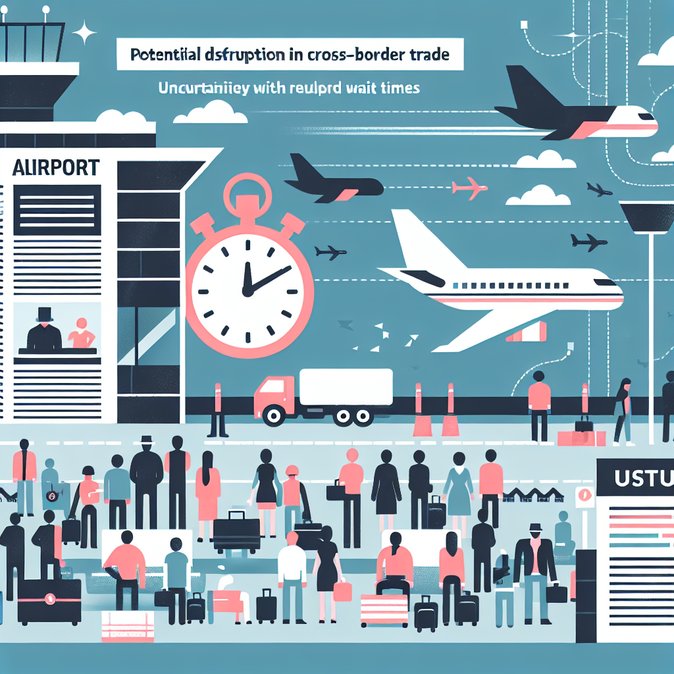
If a deal is not reached, the partial shutdown that began February 14 could deepen, furloughing some 40,000 non-law-enforcement DHS employees and pausing non-emergency immigration-benefit adjudications at USCIS that rely on appropriated funds, such as refugee travel documents. CBP overtime at some land ports would also lapse, potentially delaying cross-border cargo and business-traveler lanes.
![Another DHS funding cliff approaches as immigration riders stall spending bill]()
Travel-industry economists estimate that each week of a DHS shutdown shaves US $140 million from GDP due to missed meetings and supply-chain friction. Multinational companies are already rerouting executives through Canadian and Mexican pre-clearance airports to mitigate risk.
Meanwhile, travelers looking for backup plans can leverage VisaHQ’s services to secure alternative visas, stay on top of shifting documentation requirements, and receive real-time updates on government processing delays. Explore the options at https://www.visahq.com/united-states/
Senate centrists have floated a two-week “clean” extension, but House leadership insists any stopgap must include the immigration riders. The brinkmanship leaves corporate mobility managers with little clarity and underscores the importance of enrolling critical travelers in trusted-traveler programs that remain operational even during funding lapses.
If a deal is not reached, the partial shutdown that began February 14 could deepen, furloughing some 40,000 non-law-enforcement DHS employees and pausing non-emergency immigration-benefit adjudications at USCIS that rely on appropriated funds, such as refugee travel documents. CBP overtime at some land ports would also lapse, potentially delaying cross-border cargo and business-traveler lanes.

Travel-industry economists estimate that each week of a DHS shutdown shaves US $140 million from GDP due to missed meetings and supply-chain friction. Multinational companies are already rerouting executives through Canadian and Mexican pre-clearance airports to mitigate risk.
Meanwhile, travelers looking for backup plans can leverage VisaHQ’s services to secure alternative visas, stay on top of shifting documentation requirements, and receive real-time updates on government processing delays. Explore the options at https://www.visahq.com/united-states/
Senate centrists have floated a two-week “clean” extension, but House leadership insists any stopgap must include the immigration riders. The brinkmanship leaves corporate mobility managers with little clarity and underscores the importance of enrolling critical travelers in trusted-traveler programs that remain operational even during funding lapses.