The Department of Homeland Security (DHS) is hours away from running out of money after the U.S. Senate failed late on February 13 to advance either a full-year spending bill or a stop-gap extension. Negotiations broke down over immigration-enforcement reforms sought by Democrats in the wake of two high-profile fatal shootings by federal agents in Minneapolis. The partisan 52-47 vote leaves no time to reconcile differences before the current appropriation ends at 12:01 a.m. Saturday, February 14.
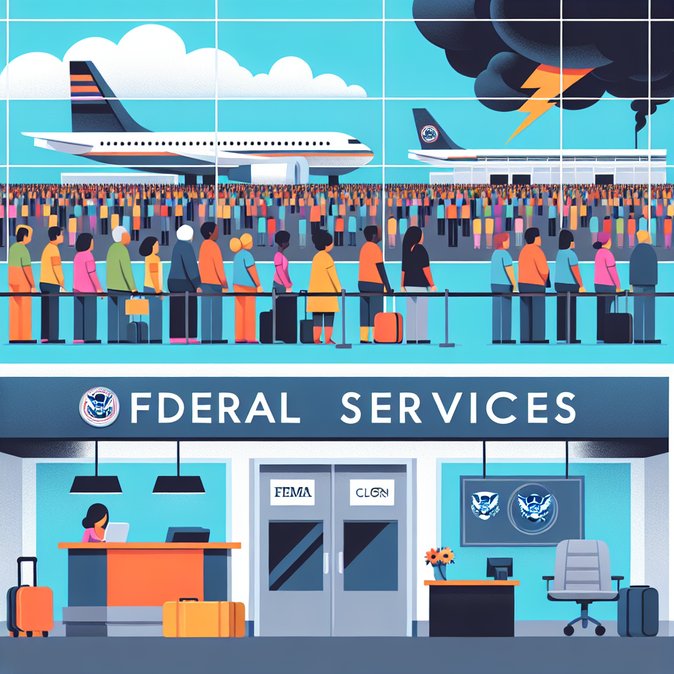
Although a DHS shutdown does not furlough most frontline personnel, it immediately turns nearly 258,000 “essential” employees—including Transportation Security Administration (TSA) screeners, Customs and Border Protection (CBP) officers, Immigration and Customs Enforcement (ICE) agents and Secret Service officers—into unpaid workers. Aviation security is likely to feel the strain first. During the 43-day 2025 shutdown, tens of thousands of unpaid TSA officers called in sick or left for private-sector jobs, forcing airports from Miami to Seattle to close checkpoints and lengthen queues. Industry groups warn that similar staffing gaps this Presidents Day weekend could disrupt a projected 7.4 million domestic departures.
If you or your employees need rapid clarity on visa requirements, travel-document renewals, or alternative routing while DHS operations fluctuate, VisaHQ can help streamline applications and provide up-to-date guidance. Their online platform (https://www.visahq.com/united-states/) tracks real-time consular changes and can expedite paperwork, giving travelers and corporate mobility teams one less variable to worry about during a potential shutdown.
![Homeland Security Faces Midnight Shutdown After Senate Funding Bill Fails]()
ICE detention and CBP cargo processing will continue using carry-over funding, but non-essential immigration court hearings, Student and Exchange Visitor Program (SEVP) audits, Trusted Traveler enrollments and Global Entry kiosk upgrades will pause. FEMA officials told lawmakers that disaster reimbursements and grant reviews will also freeze, delaying tornado-relief funds headed to Alabama, Georgia and the Carolinas.
Corporate mobility teams must prepare for longer airport lines, slower adjudication of employment-based benefit requests that rely on DHS data sharing, and possible delays in E-Verify updates. Employers moving staff between U.S. sites should tell travelers to arrive early, carry hard-copy I-797 approvals and anticipate spotty customer service hotlines. Relocation firms should also monitor whether contractors handling household-goods shipments crossing the northern and southern borders experience CBP driver backlog.
Both chambers are now in a ten-day recess. Unless a quick pro-forma session produces a short continuing resolution, the shutdown could easily last until late February, testing the resilience of an immigration system already strained by new visa-issuance suspensions and looming premium-processing fee hikes.
Although a DHS shutdown does not furlough most frontline personnel, it immediately turns nearly 258,000 “essential” employees—including Transportation Security Administration (TSA) screeners, Customs and Border Protection (CBP) officers, Immigration and Customs Enforcement (ICE) agents and Secret Service officers—into unpaid workers. Aviation security is likely to feel the strain first. During the 43-day 2025 shutdown, tens of thousands of unpaid TSA officers called in sick or left for private-sector jobs, forcing airports from Miami to Seattle to close checkpoints and lengthen queues. Industry groups warn that similar staffing gaps this Presidents Day weekend could disrupt a projected 7.4 million domestic departures.
If you or your employees need rapid clarity on visa requirements, travel-document renewals, or alternative routing while DHS operations fluctuate, VisaHQ can help streamline applications and provide up-to-date guidance. Their online platform (https://www.visahq.com/united-states/) tracks real-time consular changes and can expedite paperwork, giving travelers and corporate mobility teams one less variable to worry about during a potential shutdown.

ICE detention and CBP cargo processing will continue using carry-over funding, but non-essential immigration court hearings, Student and Exchange Visitor Program (SEVP) audits, Trusted Traveler enrollments and Global Entry kiosk upgrades will pause. FEMA officials told lawmakers that disaster reimbursements and grant reviews will also freeze, delaying tornado-relief funds headed to Alabama, Georgia and the Carolinas.
Corporate mobility teams must prepare for longer airport lines, slower adjudication of employment-based benefit requests that rely on DHS data sharing, and possible delays in E-Verify updates. Employers moving staff between U.S. sites should tell travelers to arrive early, carry hard-copy I-797 approvals and anticipate spotty customer service hotlines. Relocation firms should also monitor whether contractors handling household-goods shipments crossing the northern and southern borders experience CBP driver backlog.
Both chambers are now in a ten-day recess. Unless a quick pro-forma session produces a short continuing resolution, the shutdown could easily last until late February, testing the resilience of an immigration system already strained by new visa-issuance suspensions and looming premium-processing fee hikes.