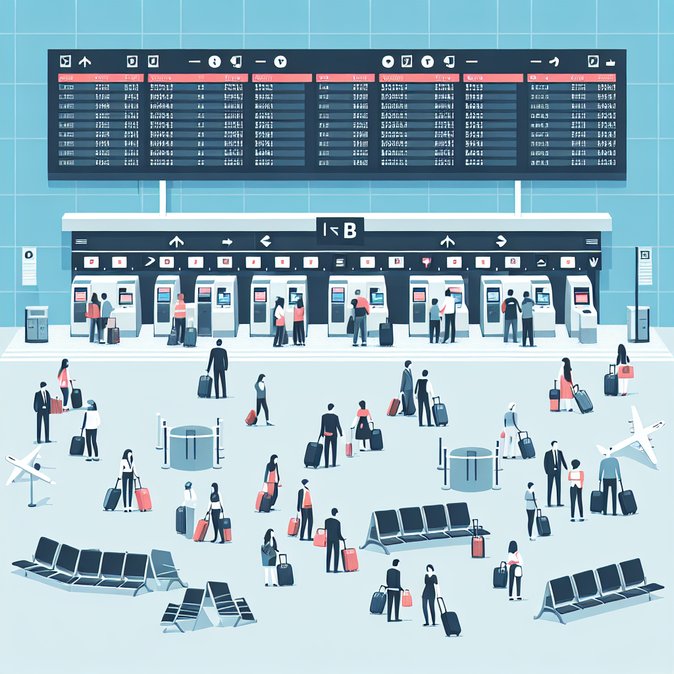
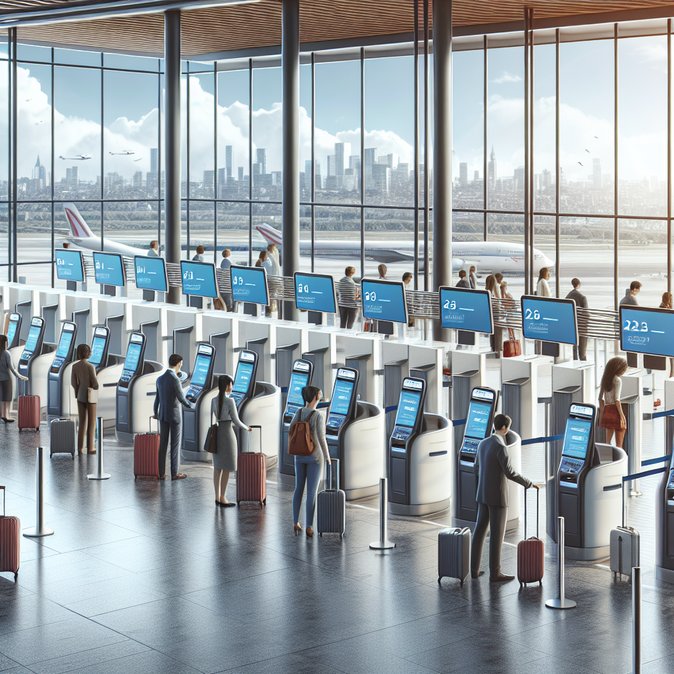
EuroAirport Basel-Mulhouse-Freiburg has become the latest Swiss gateway to embrace automation, unveiling 24 self-service check-in kiosks and 14 self-bag-drop units in Halls 2 and 4. The new equipment, operational since Friday afternoon, initially serves easyJet—by far the airport’s largest carrier—but Wizz Air and additional airlines are scheduled to migrate in the coming weeks.
Airport spokesperson Manuela Witzig told news agency Keystone-SDA that the modernised Hall 3 will be fitted with identical technology by May, while Hall 1 will stay on legacy desks until at least the winter schedule. The ground-handling provider Swissport will continue to supervise the end-to-end process, but passengers will print boarding passes and bag tags themselves before placing luggage on an automated belt.
The Franco-Swiss bi-national airport handled 8.1 million passengers in 2025, many of them price-sensitive leisure travellers. Management hopes the kiosks will shave queuing times by 30 percent and free up staff for peak-hour exception handling, such as oversized sporting equipment typical during the ski season.
![EuroAirport Basel Rolls Out Self-Service Check-In Kiosks to Cut Boarding Queues]()
Whether you’re heading to Basel for a weekend break or continuing deeper into the Schengen area, VisaHQ can take the stress out of travel documentation. Its easy online platform helps passengers secure Swiss visas and other required permits in advance, saving time for more important pre-trip planning—see https://www.visahq.com/switzerland/ for details.
For corporate-travel managers the change means advising travellers—especially those on tight onward rail connections—to allow time to familiarise themselves with the new process. Airlines that join the platform will gain ancillary-revenue opportunities by prompting passengers to pay for extra bags or seat upgrades at the kiosk stage.
The project underscores a broader trend at Swiss airports: Zurich and Geneva already operate biometric boarding trials, and Basel’s move signals that even mid-sized hubs see passenger-driven processing as essential to coping with post-pandemic traffic rebounds without adding headcount.
Airport spokesperson Manuela Witzig told news agency Keystone-SDA that the modernised Hall 3 will be fitted with identical technology by May, while Hall 1 will stay on legacy desks until at least the winter schedule. The ground-handling provider Swissport will continue to supervise the end-to-end process, but passengers will print boarding passes and bag tags themselves before placing luggage on an automated belt.
The Franco-Swiss bi-national airport handled 8.1 million passengers in 2025, many of them price-sensitive leisure travellers. Management hopes the kiosks will shave queuing times by 30 percent and free up staff for peak-hour exception handling, such as oversized sporting equipment typical during the ski season.
Whether you’re heading to Basel for a weekend break or continuing deeper into the Schengen area, VisaHQ can take the stress out of travel documentation. Its easy online platform helps passengers secure Swiss visas and other required permits in advance, saving time for more important pre-trip planning—see https://www.visahq.com/switzerland/ for details.
For corporate-travel managers the change means advising travellers—especially those on tight onward rail connections—to allow time to familiarise themselves with the new process. Airlines that join the platform will gain ancillary-revenue opportunities by prompting passengers to pay for extra bags or seat upgrades at the kiosk stage.
The project underscores a broader trend at Swiss airports: Zurich and Geneva already operate biometric boarding trials, and Basel’s move signals that even mid-sized hubs see passenger-driven processing as essential to coping with post-pandemic traffic rebounds without adding headcount.