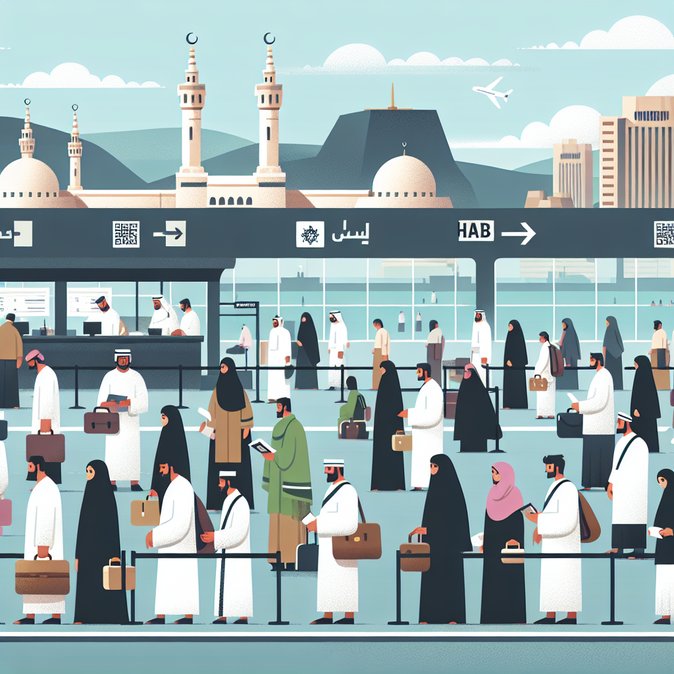
Saudi Arabia’s Ministry of Hajj and Umrah began printing visas for the 2026 pilgrimage season on 8 February, marking the earliest launch on record. Pilgrim arrivals are scheduled from 18 April ahead of rites in late May, giving Hajj missions unprecedented time to arrange flights, accommodation and health clearances.(timesofindia.indiatimes.com)
Early issuance is part of a multi-year push under Vision 2030 to digitise pilgrimage logistics. Platforms such as Nusuk Masar now integrate biometric data, hotel contracts and transport manifests, allowing authorities to stagger arrivals and ease crowd control. National quotas remain unchanged, but Indian Hajj officials say the head-start will help them finalise charter schedules with Air India and Saudia and reduce last-minute ticket price spikes.
Prospective pilgrims must complete biometric enrolment and vaccination well before the new document deadline—tentatively 20 March—while ensuring passports are valid at least six months beyond travel. Agencies caution that any mismatch between passport details and Nusuk entries will trigger automatic rejection.
![Saudi Arabia starts issuing Hajj 2026 visas four months early]()
To help pilgrims adapt to this accelerated timeline, VisaHQ’s India platform (https://www.visahq.com/india/) offers a one-stop online service that checks document accuracy, schedules biometric appointments and submits Saudi visa applications on a traveler’s behalf. Using the portal can reduce the chance of mismatched data in the Nusuk system and gives applicants live status alerts, freeing Hajj groups to focus on travel and accommodation planning.
Travel insurers and medical clinics in Mumbai and Hyderabad report a surge in bookings as households move vaccinations and policy purchases forward by six weeks compared with previous cycles. Tour operators are adjusting payment schedules, collecting instalments earlier to secure hotel allotments in Makkah.
For India’s corporate travel desks, the early window offers flexibility to schedule essential employee trips to Saudi Arabia outside peak pilgrim flows, minimising airfare volatility and seat shortages that typically plague late-spring business travel to Riyadh, Jeddah and Dammam.
Early issuance is part of a multi-year push under Vision 2030 to digitise pilgrimage logistics. Platforms such as Nusuk Masar now integrate biometric data, hotel contracts and transport manifests, allowing authorities to stagger arrivals and ease crowd control. National quotas remain unchanged, but Indian Hajj officials say the head-start will help them finalise charter schedules with Air India and Saudia and reduce last-minute ticket price spikes.
Prospective pilgrims must complete biometric enrolment and vaccination well before the new document deadline—tentatively 20 March—while ensuring passports are valid at least six months beyond travel. Agencies caution that any mismatch between passport details and Nusuk entries will trigger automatic rejection.

To help pilgrims adapt to this accelerated timeline, VisaHQ’s India platform (https://www.visahq.com/india/) offers a one-stop online service that checks document accuracy, schedules biometric appointments and submits Saudi visa applications on a traveler’s behalf. Using the portal can reduce the chance of mismatched data in the Nusuk system and gives applicants live status alerts, freeing Hajj groups to focus on travel and accommodation planning.
Travel insurers and medical clinics in Mumbai and Hyderabad report a surge in bookings as households move vaccinations and policy purchases forward by six weeks compared with previous cycles. Tour operators are adjusting payment schedules, collecting instalments earlier to secure hotel allotments in Makkah.
For India’s corporate travel desks, the early window offers flexibility to schedule essential employee trips to Saudi Arabia outside peak pilgrim flows, minimising airfare volatility and seat shortages that typically plague late-spring business travel to Riyadh, Jeddah and Dammam.