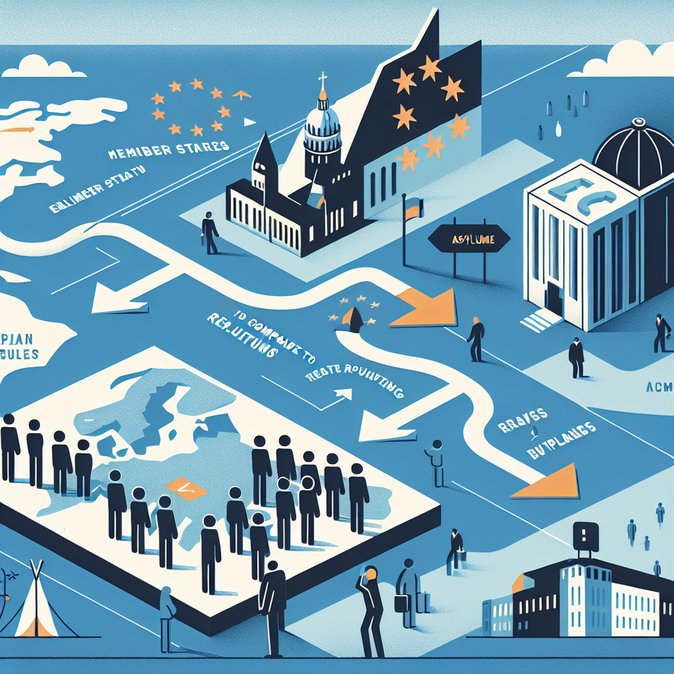
In an 11-hour plenary session on 10 February, the European Parliament voted through two controversial regulations that together create the EU’s first legally-binding list of “safe countries of origin” and dramatically expand the scope for transferring asylum seekers to so-called “safe third countries.” 396 MEPs backed the package, while 226 opposed and 30 abstained.
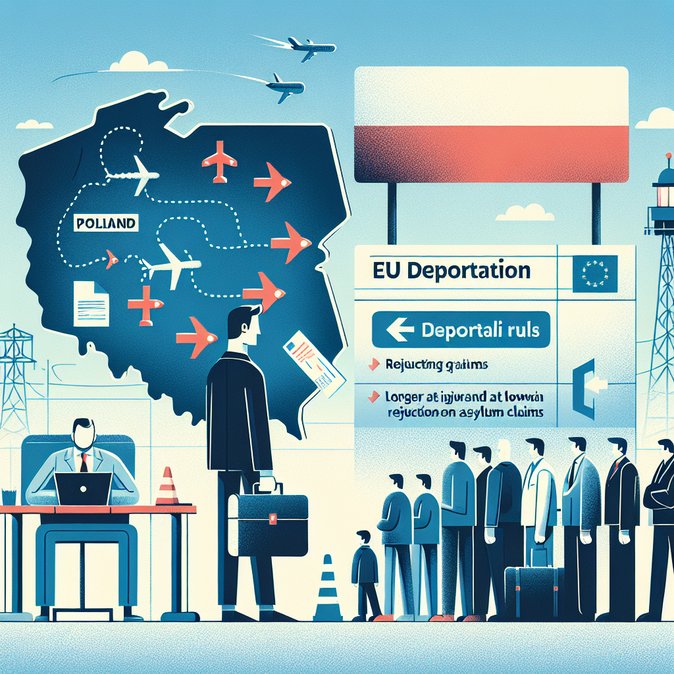
For Poland, the measures mark the most far-reaching change in asylum governance since it joined the Schengen area in 2007. Once the texts enter into force on 12 June 2026, Polish border, asylum and consular authorities will be able to declare an application inadmissible if the applicant passed through – or can legally be accepted by – a listed country such as Tunisia, Turkey or Bangladesh. The reforms also remove the automatic suspensive effect of appeals, meaning deportations can be carried out while legal challenges are still pending; applicants will instead have only an accelerated judicial review in Poland’s administrative courts.
Warsaw’s centrist coalition welcomed the vote. Interior Minister Tomasz Siemoniak said the rules “will reduce unfounded claims and free resources to support people who genuinely need our protection.” Human-rights NGOs disagree. The Helsinki Foundation for Human Rights warns that asylum seekers could be sent to jurisdictions with weaker procedural safeguards than Poland’s, exposing them to chain-refoulement and undermining the country’s obligations under the 1951 Refugee Convention.
![EU Parliament approves ‘safe third country’ rules, reshaping asylum procedures for Poland and the rest of the bloc]()
Corporate mobility teams should reassess labour-market testing timelines and humanitarian-parole strategies. Multinationals that relocate talent to Poland from countries now on the ‘safe’ list could see higher refusal rates or be forced to route employees through work-permit channels instead of asylum-based status.
To navigate this shifting landscape, VisaHQ provides companies and individual applicants with streamlined, up-to-date visa and immigration support for Poland. Through its dedicated portal (https://www.visahq.com/poland/), users can access document checklists, processing times and expert assistance—tools that can be invaluable when planning alternative work-permit routes or verifying transit histories under the impending ‘safe country’ regime.
Airlines and travel-management companies will also need contingency plans for last-minute deportation orders that can disrupt itineraries.
Although the European Council must still rubber-stamp the legislation, officials in Brussels say the vote all but guarantees adoption. Employers therefore have a four-month window to audit compliance processes, update global-mobility handbooks and brief transferees on the new risks of transit-route analysis during Polish border checks.
For Poland, the measures mark the most far-reaching change in asylum governance since it joined the Schengen area in 2007. Once the texts enter into force on 12 June 2026, Polish border, asylum and consular authorities will be able to declare an application inadmissible if the applicant passed through – or can legally be accepted by – a listed country such as Tunisia, Turkey or Bangladesh. The reforms also remove the automatic suspensive effect of appeals, meaning deportations can be carried out while legal challenges are still pending; applicants will instead have only an accelerated judicial review in Poland’s administrative courts.
Warsaw’s centrist coalition welcomed the vote. Interior Minister Tomasz Siemoniak said the rules “will reduce unfounded claims and free resources to support people who genuinely need our protection.” Human-rights NGOs disagree. The Helsinki Foundation for Human Rights warns that asylum seekers could be sent to jurisdictions with weaker procedural safeguards than Poland’s, exposing them to chain-refoulement and undermining the country’s obligations under the 1951 Refugee Convention.

Corporate mobility teams should reassess labour-market testing timelines and humanitarian-parole strategies. Multinationals that relocate talent to Poland from countries now on the ‘safe’ list could see higher refusal rates or be forced to route employees through work-permit channels instead of asylum-based status.
To navigate this shifting landscape, VisaHQ provides companies and individual applicants with streamlined, up-to-date visa and immigration support for Poland. Through its dedicated portal (https://www.visahq.com/poland/), users can access document checklists, processing times and expert assistance—tools that can be invaluable when planning alternative work-permit routes or verifying transit histories under the impending ‘safe country’ regime.
Airlines and travel-management companies will also need contingency plans for last-minute deportation orders that can disrupt itineraries.
Although the European Council must still rubber-stamp the legislation, officials in Brussels say the vote all but guarantees adoption. Employers therefore have a four-month window to audit compliance processes, update global-mobility handbooks and brief transferees on the new risks of transit-route analysis during Polish border checks.