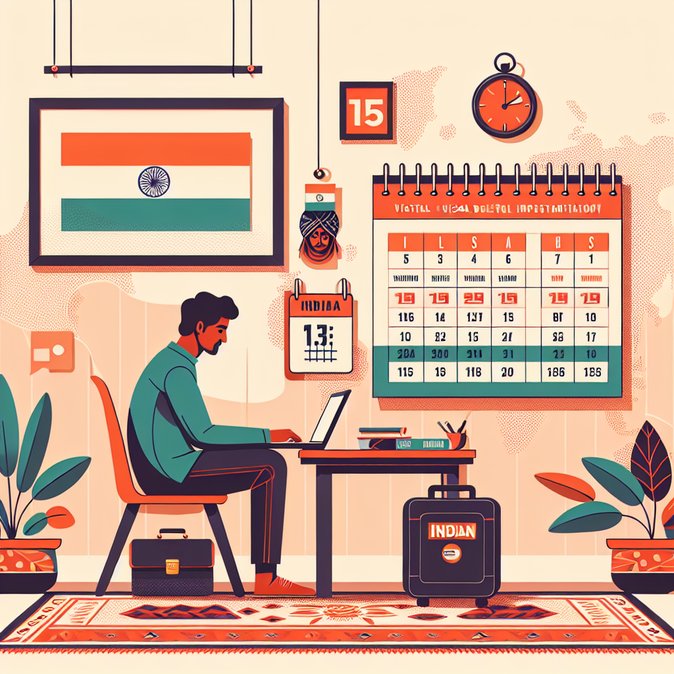
An investigative feature published by The Times of India on 11 February highlights a growing compliance minefield for Indian nationals caught in prolonged H-1B visa-stamping delays. With interview appointments at U.S. consulates frequently bumped into late 2026, thousands of workers who travelled home expecting a short vacation are now working remotely from India for months on end.
Immigration headaches aside, extended India-based work periods can create permanent-establishment and payroll-withholding risks for U.S. employers. Under Indian tax law, salary earned for services performed in India is taxable in India—even if paid into a U.S. bank account. The India-U.S. Double Taxation Avoidance Agreement offers relief only if the employee spends fewer than 183 days in India in a fiscal year and the salary is not borne by an Indian entity.
![H-1B visa backlogs leave Indian professionals ‘stranded’, triggering unexpected tax liabilities]()
Amid these mounting complications, VisaHQ offers a practical lifeline. Through its dedicated India portal (https://www.visahq.com/india/), the firm monitors real-time consular appointment openings, assists with document preparation, and provides tailored guidance on alternative visa or travel-document strategies—helping stranded employees and their U.S. employers minimise downtime while the stamping logjam clears.
Chartered accountants interviewed for the article warn that many tech companies are unaware they must register with India’s tax authorities, operate local payroll, and deduct tax at source once the 183-day threshold is breached. Social-security and state-insurance liabilities may also arise. Workers who ignore the issue risk double taxation or penalties during future tax audits.
The backlog is driven by a perfect storm of post-pandemic demand, staffing shortages at U.S. missions and enhanced social-media vetting rules effective since December 2025. Experts advise corporates to map where stranded staff are physically working, run day-count trackers and consider short-term secondment arrangements to Indian affiliates to stay compliant.
Immigration headaches aside, extended India-based work periods can create permanent-establishment and payroll-withholding risks for U.S. employers. Under Indian tax law, salary earned for services performed in India is taxable in India—even if paid into a U.S. bank account. The India-U.S. Double Taxation Avoidance Agreement offers relief only if the employee spends fewer than 183 days in India in a fiscal year and the salary is not borne by an Indian entity.

Amid these mounting complications, VisaHQ offers a practical lifeline. Through its dedicated India portal (https://www.visahq.com/india/), the firm monitors real-time consular appointment openings, assists with document preparation, and provides tailored guidance on alternative visa or travel-document strategies—helping stranded employees and their U.S. employers minimise downtime while the stamping logjam clears.
Chartered accountants interviewed for the article warn that many tech companies are unaware they must register with India’s tax authorities, operate local payroll, and deduct tax at source once the 183-day threshold is breached. Social-security and state-insurance liabilities may also arise. Workers who ignore the issue risk double taxation or penalties during future tax audits.
The backlog is driven by a perfect storm of post-pandemic demand, staffing shortages at U.S. missions and enhanced social-media vetting rules effective since December 2025. Experts advise corporates to map where stranded staff are physically working, run day-count trackers and consider short-term secondment arrangements to Indian affiliates to stay compliant.