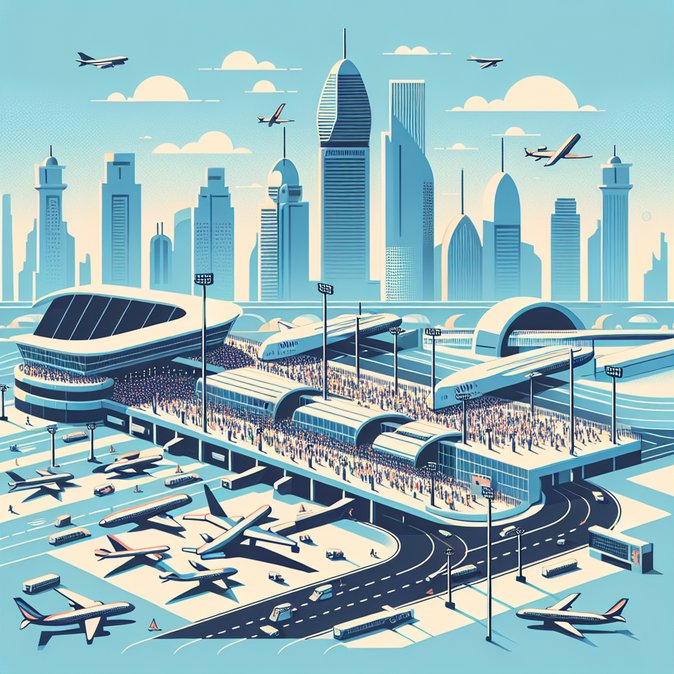
Dubai International Airport (DXB) handled 95.2 million passengers in 2025, smashing its own pre-pandemic traffic record and cementing its status as the world’s busiest international gateway, CEO Paul Griffiths told reporters on 11 February. (apnews.com)
Traffic grew 3 % year-on-year, propelled by a 5 % jump in visitors to Dubai (19.6 million) and the emirate’s popularity as a transfer hub linking Europe, Asia and Africa. India remained the top origin-destination market with 11.9 million passengers, followed by Saudi Arabia (7.5 million) and the UK (6.3 million). DXB is now served by 108 airlines flying to 291 cities in 110 countries.
Whether you’re among those millions planning a UAE stopover or managing a corporate travel roster, VisaHQ can take the stress out of securing the right entry documents. Its streamlined platform for UAE visa processing (https://www.visahq.com/united-arab-emirates/) walks applicants through requirements, fees and timelines, ensuring travelers arrive at DXB with paperwork in order and more time to enjoy—or work in—the city.
![Dubai International Airport posts record 95.2 million passengers, eyes Al Maktoum mega-hub]()
The surge has revived long-term plans to shift operations to the larger Al Maktoum International Airport (DWC) in Dubai South. Officials confirmed that the AED 128 billion (US $35 billion) expansion—paused during Covid-19—is back on track for completion by 2032, eventually offering five parallel runways and capacity for 260 million passengers a year. (apnews.com)
For global mobility managers, the numbers translate into greater seat availability but also potential congestion at peak periods, reinforcing the value of services such as fast-track immigration and biometric e-gates. Travel buyers are also monitoring whether airlines will shift flights to DWC once construction accelerates, affecting ground-transport policies and hotel choices for assignees.
Dubai’s record comes amid similar rebounds at Abu Dhabi’s re-branded Zayed International Airport, underscoring the UAE’s strategy of positioning itself as the Middle East’s primary aviation super-connector.
Traffic grew 3 % year-on-year, propelled by a 5 % jump in visitors to Dubai (19.6 million) and the emirate’s popularity as a transfer hub linking Europe, Asia and Africa. India remained the top origin-destination market with 11.9 million passengers, followed by Saudi Arabia (7.5 million) and the UK (6.3 million). DXB is now served by 108 airlines flying to 291 cities in 110 countries.
Whether you’re among those millions planning a UAE stopover or managing a corporate travel roster, VisaHQ can take the stress out of securing the right entry documents. Its streamlined platform for UAE visa processing (https://www.visahq.com/united-arab-emirates/) walks applicants through requirements, fees and timelines, ensuring travelers arrive at DXB with paperwork in order and more time to enjoy—or work in—the city.
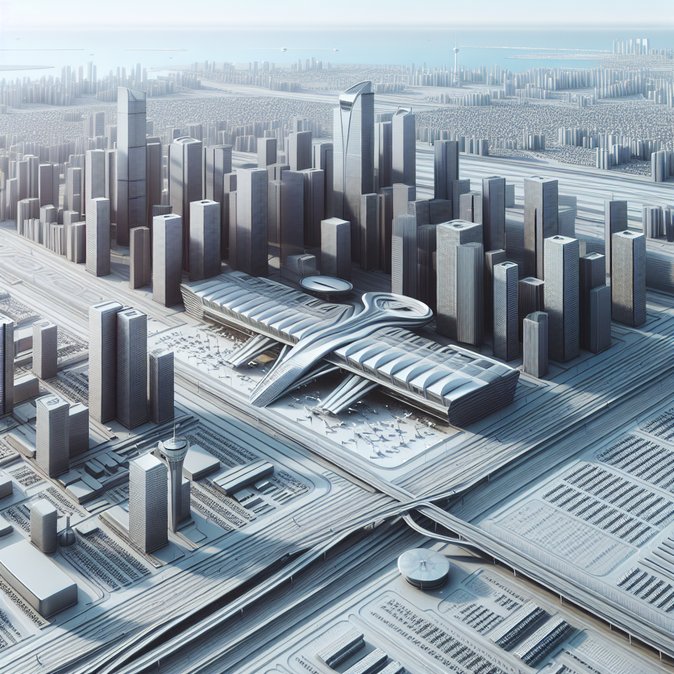
The surge has revived long-term plans to shift operations to the larger Al Maktoum International Airport (DWC) in Dubai South. Officials confirmed that the AED 128 billion (US $35 billion) expansion—paused during Covid-19—is back on track for completion by 2032, eventually offering five parallel runways and capacity for 260 million passengers a year. (apnews.com)
For global mobility managers, the numbers translate into greater seat availability but also potential congestion at peak periods, reinforcing the value of services such as fast-track immigration and biometric e-gates. Travel buyers are also monitoring whether airlines will shift flights to DWC once construction accelerates, affecting ground-transport policies and hotel choices for assignees.
Dubai’s record comes amid similar rebounds at Abu Dhabi’s re-branded Zayed International Airport, underscoring the UAE’s strategy of positioning itself as the Middle East’s primary aviation super-connector.