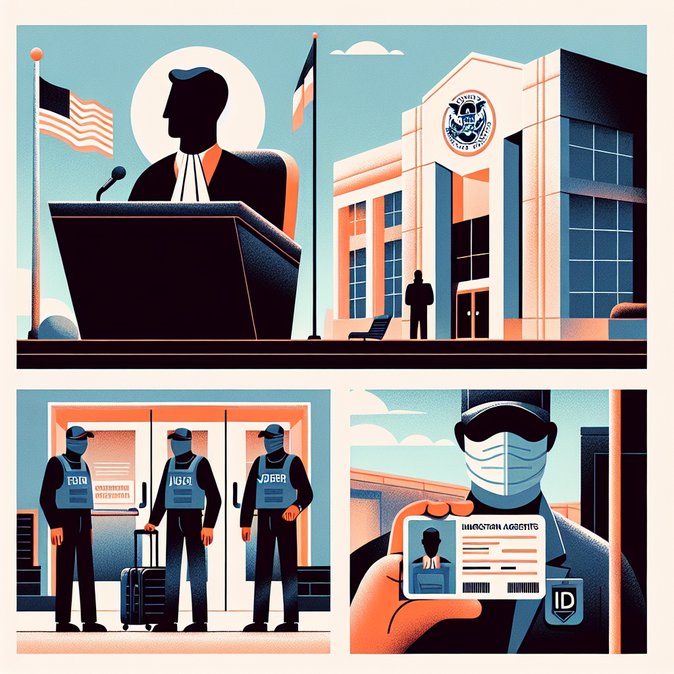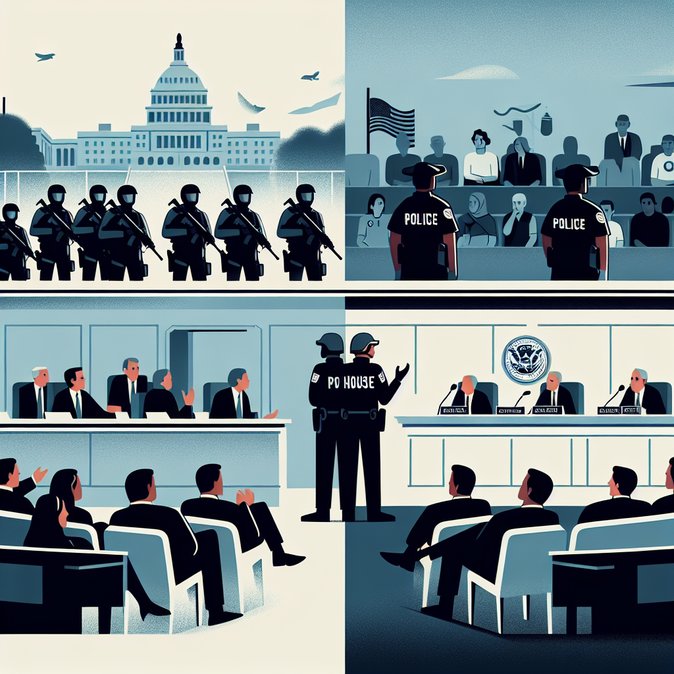
Washington, D.C.—In a tense oversight hearing on February 10, 2026, the House Committee on Homeland Security put the leaders of Immigration and Customs Enforcement (ICE), Customs and Border Protection (CBP) and U.S. Citizenship and Immigration Services (USCIS) under an unforgiving spotlight. Acting ICE Director Todd Lyons, CBP Commissioner Rodney Scott and USCIS Director Joseph Edlow were sworn in before a packed room just weeks after ICE officers fatally shot Minneapolis residents Renee Good and Alex Pretti during a neighborhood raid.
Democrats used the deaths—and hundreds of injury complaints logged during January’s mass-deportation surge—to demand stricter limits on home raids, mandatory body-camera use and a halt to large-scale operations near schools and medical facilities. Lyons refused to concede that warrant-less entries or the use of balaclavas violated constitutional standards, insisting “my officers will not be intimidated by politically motivated attacks.” He acknowledged, however, that ICE is now piloting body cameras in Minneapolis and will expand the program nationally if funding survives the looming February 13 DHS budget deadline.
Republicans defended the agencies’ tactics, portraying Minneapolis as evidence that “sanctuary policies endanger everyone,” but several broke ranks to support body-camera requirements. CBP’s Scott said more than 60 per cent of front-line agents in the northern border sector already wear cameras and pushed Congress to fund the remaining roll-out before the World Cup crowd surge next month. USCIS chief Edlow fielded separate criticism over processing backlogs and the new $215 H-1B registration fee, promising staffing realignments by April.
![ICE, CBP and USCIS chiefs grilled on Capitol Hill after Minneapolis protester deaths]()
Amid this shifting enforcement landscape, corporate travel departments may also need to reassess the underlying visa status of on-the-ground staff. VisaHQ’s online platform (https://www.visahq.com/united-states/) offers rapid document checks, application tracking and expert guidance, enabling employers and individual travelers to confirm that their U.S. visas or ESTA waivers are in order before any potential interaction with ICE or CBP.
For global-mobility managers the hearing matters on two fronts. First, any legislative “strings” attached to DHS funding could quickly alter field-enforcement rules, raising or lowering deportation risks for expatriate employees. Second, bipartisan momentum for body-camera mandates—echoed by industry groups such as the American Hotel & Lodging Association—could introduce new compliance touch-points: officers would have to announce video recording and clearly display badge numbers, giving companies clearer incident-reporting trails when staff are detained.
House leaders said a revised DHS appropriations bill, including potential enforcement riders, could reach the floor as early as Friday. Mobility teams with assignees in high-visibility protest zones should monitor the negotiations closely and remind traveling employees of updated “know-your-rights” protocols.
Democrats used the deaths—and hundreds of injury complaints logged during January’s mass-deportation surge—to demand stricter limits on home raids, mandatory body-camera use and a halt to large-scale operations near schools and medical facilities. Lyons refused to concede that warrant-less entries or the use of balaclavas violated constitutional standards, insisting “my officers will not be intimidated by politically motivated attacks.” He acknowledged, however, that ICE is now piloting body cameras in Minneapolis and will expand the program nationally if funding survives the looming February 13 DHS budget deadline.
Republicans defended the agencies’ tactics, portraying Minneapolis as evidence that “sanctuary policies endanger everyone,” but several broke ranks to support body-camera requirements. CBP’s Scott said more than 60 per cent of front-line agents in the northern border sector already wear cameras and pushed Congress to fund the remaining roll-out before the World Cup crowd surge next month. USCIS chief Edlow fielded separate criticism over processing backlogs and the new $215 H-1B registration fee, promising staffing realignments by April.

Amid this shifting enforcement landscape, corporate travel departments may also need to reassess the underlying visa status of on-the-ground staff. VisaHQ’s online platform (https://www.visahq.com/united-states/) offers rapid document checks, application tracking and expert guidance, enabling employers and individual travelers to confirm that their U.S. visas or ESTA waivers are in order before any potential interaction with ICE or CBP.
For global-mobility managers the hearing matters on two fronts. First, any legislative “strings” attached to DHS funding could quickly alter field-enforcement rules, raising or lowering deportation risks for expatriate employees. Second, bipartisan momentum for body-camera mandates—echoed by industry groups such as the American Hotel & Lodging Association—could introduce new compliance touch-points: officers would have to announce video recording and clearly display badge numbers, giving companies clearer incident-reporting trails when staff are detained.
House leaders said a revised DHS appropriations bill, including potential enforcement riders, could reach the floor as early as Friday. Mobility teams with assignees in high-visibility protest zones should monitor the negotiations closely and remind traveling employees of updated “know-your-rights” protocols.