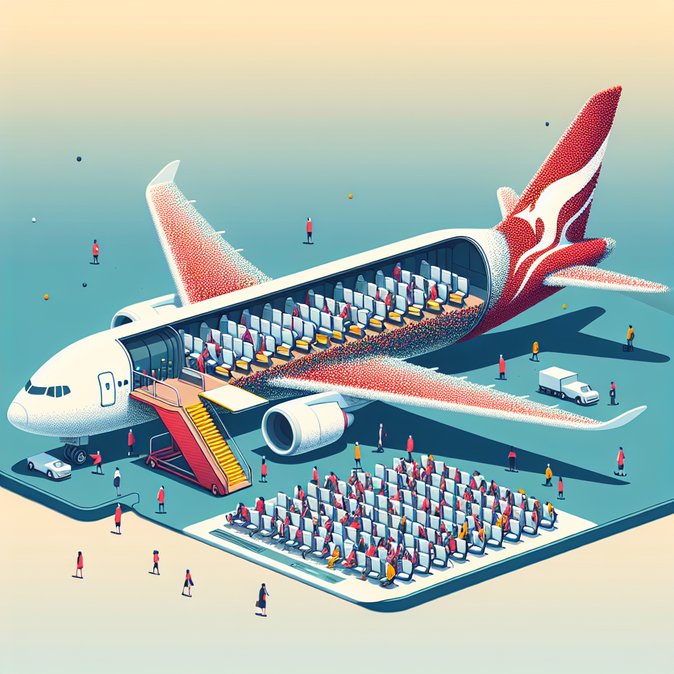
Australia’s flag carrier kicked off the largest domestic airfare sale in five years at 00:01 AEDT on 10 February 2026. The promotion, announced via the Qantas Newsroom, puts nearly two million seats across 60 city-pairings on sale until 16 February (or until sold out). One-way economy tickets start at AU$99 (Byron Bay–Sydney), while business-class fares begin at AU$299 (Melbourne–Sydney) and include lounge access and full Status Credit accrual.
The timing is strategic: February is traditionally a lull for corporate travel, and economists are flagging a softening domestic demand curve. By front-loading bookings, Qantas secures cash flow ahead of Easter while luring price-sensitive SMEs back from low-cost rivals.
Network planners have targeted high-yield trunk routes (Sydney–Melbourne, Brisbane–Adelaide) but also remote communities such as Kingscote (Kangaroo Island) and Wagga Wagga, supporting regional mobility agendas.
![Qantas Launches Record 1.9 Million-Seat Sale, Slashing Fares for Domestic Business Travellers]()
While these discounted domestic fares don’t require border formalities, many travellers will be pairing them with inbound long-haul segments. If your international colleagues or conference delegates still need an Australian entry permit, VisaHQ can streamline the process through quick online applications, real-time status tracking and expert support—visit https://www.visahq.com/australia/ to see how easy it can be.
The sale fares apply to travel between October and December 2026—critical months when Australia will host two global tech conferences and the Women’s Champions League finals, events expected to spike hotel rates.
For mobility managers the message is clear: lock in Q4 internal travel now. Fares are fully inclusive of checked baggage and catering, reducing ancillary-fee forecasting headaches. However, change-fee waivers introduced during the pandemic no longer apply, so programme administrators should confirm traveller availability before bulk purchasing.
Competitors are likely to retaliate; Virgin Australia hinted at a counter-sale within hours of the Qantas announcement. Firms with large domestic footprints should monitor fare-class availability daily to maximise savings across preferred carriers.
The timing is strategic: February is traditionally a lull for corporate travel, and economists are flagging a softening domestic demand curve. By front-loading bookings, Qantas secures cash flow ahead of Easter while luring price-sensitive SMEs back from low-cost rivals.
Network planners have targeted high-yield trunk routes (Sydney–Melbourne, Brisbane–Adelaide) but also remote communities such as Kingscote (Kangaroo Island) and Wagga Wagga, supporting regional mobility agendas.

While these discounted domestic fares don’t require border formalities, many travellers will be pairing them with inbound long-haul segments. If your international colleagues or conference delegates still need an Australian entry permit, VisaHQ can streamline the process through quick online applications, real-time status tracking and expert support—visit https://www.visahq.com/australia/ to see how easy it can be.
The sale fares apply to travel between October and December 2026—critical months when Australia will host two global tech conferences and the Women’s Champions League finals, events expected to spike hotel rates.
For mobility managers the message is clear: lock in Q4 internal travel now. Fares are fully inclusive of checked baggage and catering, reducing ancillary-fee forecasting headaches. However, change-fee waivers introduced during the pandemic no longer apply, so programme administrators should confirm traveller availability before bulk purchasing.
Competitors are likely to retaliate; Virgin Australia hinted at a counter-sale within hours of the Qantas announcement. Firms with large domestic footprints should monitor fare-class availability daily to maximise savings across preferred carriers.