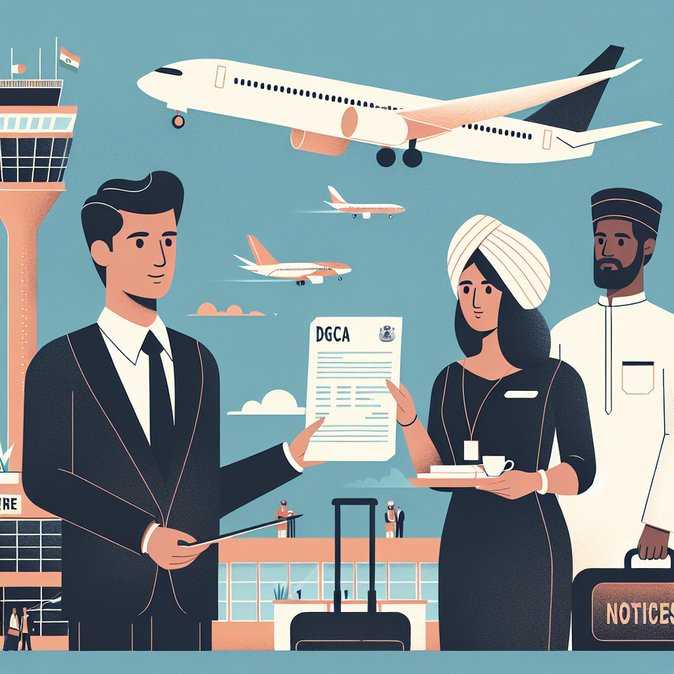
India’s aviation regulator has turned up the heat on carriers, revealing that it issued 352 show-cause notices for safety, rostering and consumer-rights violations between 2024 and 2025. Details tabled in the Rajya Sabha on 9 February 2026 show IndiGo topping the list with 98 notices, followed by Air India (84) and Air India Express (65). Penalties were imposed in 139 cases, while 113 drew formal warnings.(economictimes.indiatimes.com)
Although the data covers the previous two calendar years, mobility managers say the timing of the disclosure—amid ongoing weather-related cancellations and pilot-duty rule transitions—sends a clear message that the Directorate General of Civil Aviation (DGCA) will sustain pressure in 2026.
In the meantime, travel coordinators looking to keep employees moving smoothly can tap VisaHQ’s India portal (https://www.visahq.com/india/) for real-time visa requirements, streamlined application processing and automated updates that integrate with corporate itineraries—an extra layer of resilience when schedules change at short notice.
![DGCA Issues 352 Show-Cause Notices to Airlines, Signals Tougher Compliance Era]()
For corporate travel programmes, the announcement reinforces the need to monitor airline operational reliability and maintain contingency contracts with alternate carriers. The figures also support the DGCA’s recent decision to grant IndiGo only a temporary exemption from new Flight-Duty-Time Limitation (FDTL) rules until 10 February while demanding fortnightly progress reports.
Travel risk specialists advise updating traveller-tracking dashboards to flag sectors operated by repeatedly cited airlines and to brief employees on their entitlement to rerouting and compensation under India’s Civil Aviation Requirement Section 3, Series M regulations.
Long-term, analysts expect the regulator to link future slot allocations and fleet-expansion approvals to each airline’s compliance history, a development that could reshape network planning and airfare negotiations for multinational firms.
Although the data covers the previous two calendar years, mobility managers say the timing of the disclosure—amid ongoing weather-related cancellations and pilot-duty rule transitions—sends a clear message that the Directorate General of Civil Aviation (DGCA) will sustain pressure in 2026.
In the meantime, travel coordinators looking to keep employees moving smoothly can tap VisaHQ’s India portal (https://www.visahq.com/india/) for real-time visa requirements, streamlined application processing and automated updates that integrate with corporate itineraries—an extra layer of resilience when schedules change at short notice.

For corporate travel programmes, the announcement reinforces the need to monitor airline operational reliability and maintain contingency contracts with alternate carriers. The figures also support the DGCA’s recent decision to grant IndiGo only a temporary exemption from new Flight-Duty-Time Limitation (FDTL) rules until 10 February while demanding fortnightly progress reports.
Travel risk specialists advise updating traveller-tracking dashboards to flag sectors operated by repeatedly cited airlines and to brief employees on their entitlement to rerouting and compensation under India’s Civil Aviation Requirement Section 3, Series M regulations.
Long-term, analysts expect the regulator to link future slot allocations and fleet-expansion approvals to each airline’s compliance history, a development that could reshape network planning and airfare negotiations for multinational firms.