International mobility into and within Australia faced an unusual test on 9 February 2026 as Israeli President Isaac Herzog began a four-day state visit that has polarised public opinion. From the moment the presidential aircraft touched down in Sydney, security protocols more typical of a G20 summit swung into place. NSW Police declared large sections of the CBD and the Bondi–Eastern Suburbs corridor a “major event area”, giving officers expanded search powers and authority to block roads at short notice.
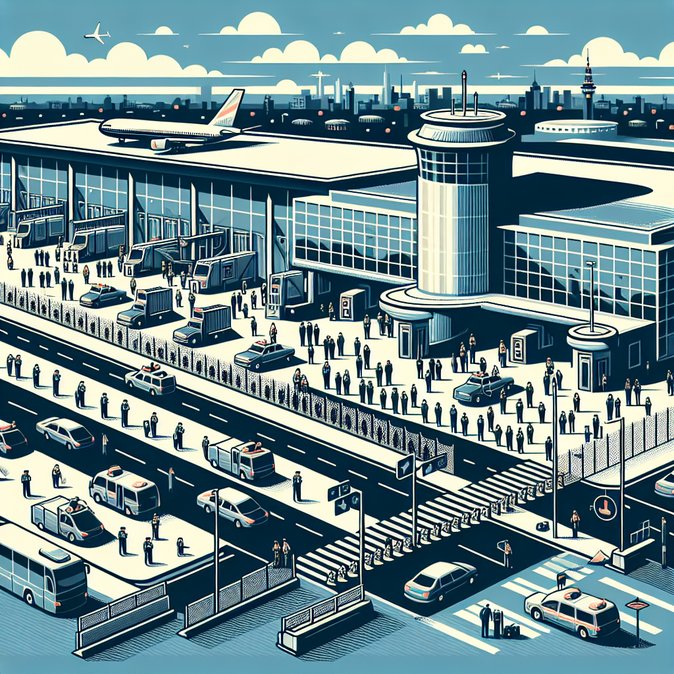
For business travellers, the most immediate impact was logistical. Live-traffic bulletins warned motorists to avoid the Harbour Bridge, Eastern Distributor and Bondi Road from mid-morning, while Transport for NSW diverted 21 bus routes and lengthened CBD light-rail headways to keep protestors and dignitaries apart. Taxi dispatchers reported pickups from Sydney Airport to the city taking up to 90 minutes—double the usual run-time—after rolling closures on the M1. Flight operations were not suspended, but Qantas and Virgin Australia both emailed customers urging them to arrive at terminals at least an hour earlier than normal to clear potential congestion at kerbside drop-offs.
Amid the commotion, travellers who still need to secure the correct entry documents can streamline the process online: VisaHQ’s Australia portal (https://www.visahq.com/australia/) offers step-by-step visa guidance, real-time status updates and courier options, sparing visitors an extra trip to crowded consulates during an already complicated week.
![Herzog visit prompts heightened security and travel disruptions across Australia]()
The security cordon expanded interstate. Victorian Police confirmed extra patrols and counter-terror units at Melbourne Airport ahead of Herzog’s meeting with Jewish community leaders in Caulfield on Wednesday; the AFP quietly issued a NOTAM advising carriers of short-duration airspace restrictions around VIP movements. Canberra’s airport, which rarely sees curfews, scheduled a 45-minute tactical halt for the arrival of the presidential jet later in the week.
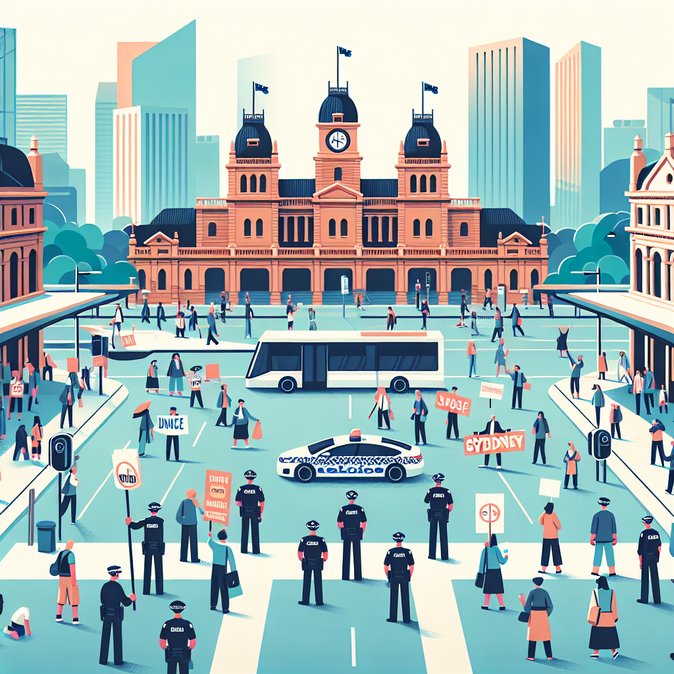
Pro-Palestinian rallies added another layer of complexity. Thousands gathered outside Sydney Town Hall and the State Parliament despite a police request to relocate to Hyde Park. Protestors eventually marched—some clashing with riot police and pepper spray—while parallel demonstrations drew crowds in Melbourne’s Federation Square and Brisbane’s King George Square. Travel-risk consultancies such as Crisis24 and International SOS issued level-two advisories, warning corporate clients of “unpredictable flashpoints” through 12 February.
Although the visit is scheduled to end on Thursday, mobility planners say repercussions could linger. NSW’s decision to test sweeping “major event” powers during a politically charged visit sets a precedent for future high-profile arrivals—raising questions about how Australia balances security with the free flow of people and goods that underpins its visitor economy.
For business travellers, the most immediate impact was logistical. Live-traffic bulletins warned motorists to avoid the Harbour Bridge, Eastern Distributor and Bondi Road from mid-morning, while Transport for NSW diverted 21 bus routes and lengthened CBD light-rail headways to keep protestors and dignitaries apart. Taxi dispatchers reported pickups from Sydney Airport to the city taking up to 90 minutes—double the usual run-time—after rolling closures on the M1. Flight operations were not suspended, but Qantas and Virgin Australia both emailed customers urging them to arrive at terminals at least an hour earlier than normal to clear potential congestion at kerbside drop-offs.
Amid the commotion, travellers who still need to secure the correct entry documents can streamline the process online: VisaHQ’s Australia portal (https://www.visahq.com/australia/) offers step-by-step visa guidance, real-time status updates and courier options, sparing visitors an extra trip to crowded consulates during an already complicated week.

The security cordon expanded interstate. Victorian Police confirmed extra patrols and counter-terror units at Melbourne Airport ahead of Herzog’s meeting with Jewish community leaders in Caulfield on Wednesday; the AFP quietly issued a NOTAM advising carriers of short-duration airspace restrictions around VIP movements. Canberra’s airport, which rarely sees curfews, scheduled a 45-minute tactical halt for the arrival of the presidential jet later in the week.
Pro-Palestinian rallies added another layer of complexity. Thousands gathered outside Sydney Town Hall and the State Parliament despite a police request to relocate to Hyde Park. Protestors eventually marched—some clashing with riot police and pepper spray—while parallel demonstrations drew crowds in Melbourne’s Federation Square and Brisbane’s King George Square. Travel-risk consultancies such as Crisis24 and International SOS issued level-two advisories, warning corporate clients of “unpredictable flashpoints” through 12 February.
Although the visit is scheduled to end on Thursday, mobility planners say repercussions could linger. NSW’s decision to test sweeping “major event” powers during a politically charged visit sets a precedent for future high-profile arrivals—raising questions about how Australia balances security with the free flow of people and goods that underpins its visitor economy.