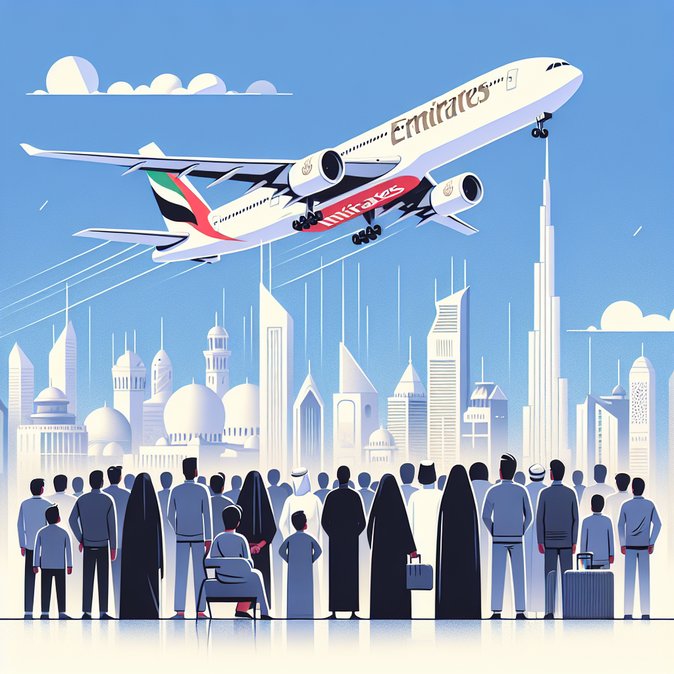
The National Centre of Meteorology (NCM) issued a rare red alert between 03:20 and 10:00 on 7 February, warning of near-zero visibility across Abu Dhabi, Dubai and the Northern Emirates. By dawn, dense fog had forced Dubai International and Abu Dhabi’s Zayed International to activate low-visibility procedures, trimming runway throughput by an estimated 30 per cent and triggering a wave of knock-on delays and re-routing across the Gulf’s busiest aviation hub.
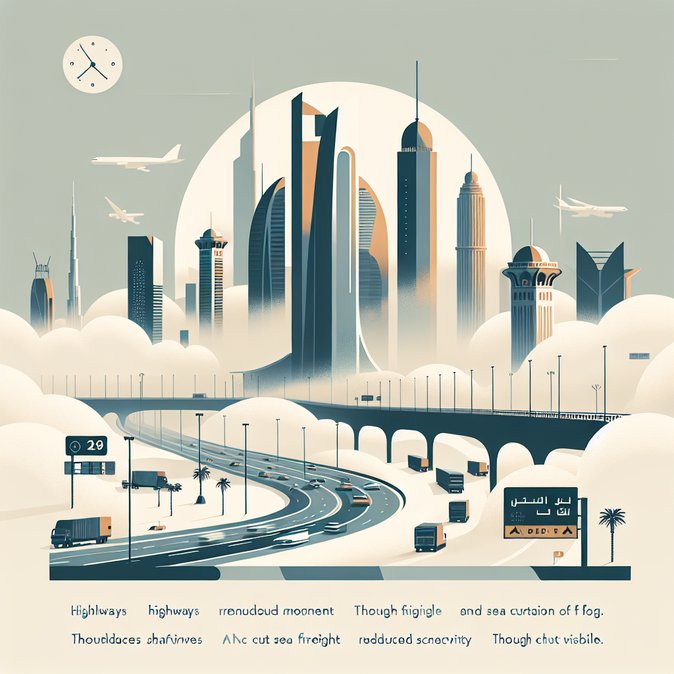
On the ground, variable-message signs lowered speed limits on Sheikh Zayed Road and other smart highways to 80 km/h while police patrols urged motorists to keep a greater following distance. Logistics firms moving time-sensitive cargo diverted to later slots or re-sequenced deliveries, while port authorities at Jebel Ali and Khalifa braced for evening swells and wind gusts of up to 40 km/h that threatened berth schedules.
Although winter fog is common, meteorologists described the intensity of Saturday’s blanket as the worst since December 2025. For multinationals that stage regional meetings, the timing was particularly disruptive, coinciding with peak post-New Year conference season. Hotels reported late check-outs as delegates waited for updated departure times and event organisers scrambled to extend venue bookings.
![Rare Red-Alert Fog Snarls UAE Air, Sea and Road Networks]()
While meteorologists tracked the fog, travel coordinators kept an eye on documentation: anyone needing last-minute changes to arrival dates or meeting venues can fast-track UAE visa applications or amendments through VisaHQ’s digital portal (https://www.visahq.com/united-arab-emirates/), which aggregates up-to-date consular requirements and courier services into a single dashboard — a handy fallback when flights slip a day and passports risk overstaying pre-approved windows.
Practically, companies are advising mobile staff to build two-to-four-hour buffers into onward connections through DXB, pre-book airport lounges with shower facilities, and activate traveller-tracking tools that push real-time gate changes. Drivers are reminded that tailgating in fog now carries an AED 400 fine and four black points.
The episode underscores a broader mobility risk: weather now rivals visa rules and health regulations as a top variable in mission-critical travel planning for the UAE, placing a premium on agile itineraries and robust duty-of-care protocols.
On the ground, variable-message signs lowered speed limits on Sheikh Zayed Road and other smart highways to 80 km/h while police patrols urged motorists to keep a greater following distance. Logistics firms moving time-sensitive cargo diverted to later slots or re-sequenced deliveries, while port authorities at Jebel Ali and Khalifa braced for evening swells and wind gusts of up to 40 km/h that threatened berth schedules.
Although winter fog is common, meteorologists described the intensity of Saturday’s blanket as the worst since December 2025. For multinationals that stage regional meetings, the timing was particularly disruptive, coinciding with peak post-New Year conference season. Hotels reported late check-outs as delegates waited for updated departure times and event organisers scrambled to extend venue bookings.

While meteorologists tracked the fog, travel coordinators kept an eye on documentation: anyone needing last-minute changes to arrival dates or meeting venues can fast-track UAE visa applications or amendments through VisaHQ’s digital portal (https://www.visahq.com/united-arab-emirates/), which aggregates up-to-date consular requirements and courier services into a single dashboard — a handy fallback when flights slip a day and passports risk overstaying pre-approved windows.
Practically, companies are advising mobile staff to build two-to-four-hour buffers into onward connections through DXB, pre-book airport lounges with shower facilities, and activate traveller-tracking tools that push real-time gate changes. Drivers are reminded that tailgating in fog now carries an AED 400 fine and four black points.
The episode underscores a broader mobility risk: weather now rivals visa rules and health regulations as a top variable in mission-critical travel planning for the UAE, placing a premium on agile itineraries and robust duty-of-care protocols.