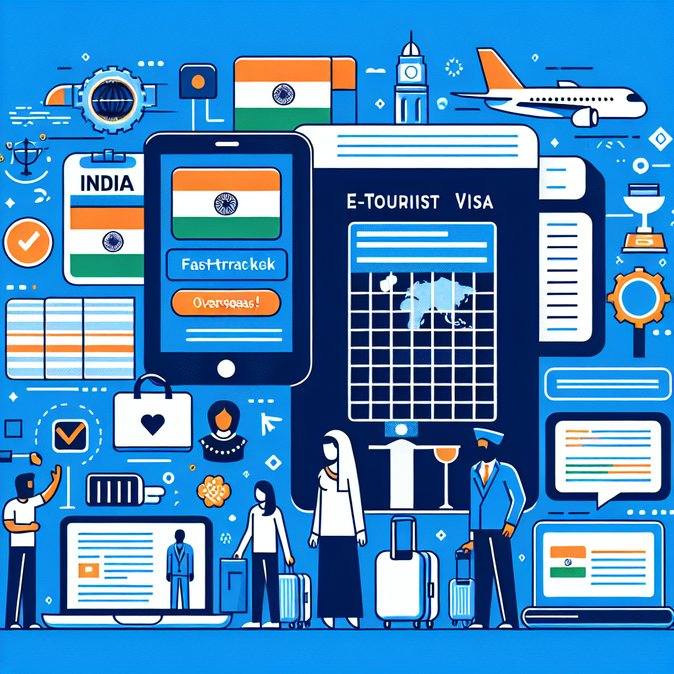
A late-night update on the Ministry of Tourism website on 8 February confirmed that India’s e-Tourist Visa (e-TV) programme now covers 166 countries, up from 157 a year ago. The expansion – part of the government’s digitisation drive – quietly adds markets such as Kenya, Algeria, Fiji, Uruguay, Armenia and North Macedonia to the eligibility list.
The e-TV allows travellers to apply online, pay electronically and receive an electronic travel authorisation within 72 hours. For business visitors the standard 30-day double-entry permit can be upgraded to a 90-day business e-visa, a popular option for short-term project work and after-sales support visits.
For travellers and corporates looking for a hands-off way to manage India e-TV applications, VisaHQ’s online platform (https://www.visahq.com/india/) streamlines the entire process, from document upload to status tracking, and offers dedicated support that can troubleshoot common pitfalls like photo rejections or payment glitches. The service can be integrated into corporate travel workflows, ensuring compliance and reducing administrative overhead.
![India widens e-Tourist Visa to 166 nationalities, boosting inbound corporate travel]()
Trade bodies including NASSCOM and the Indo-Africa Chamber of Commerce welcomed the move, noting that many of the newly added countries are emerging sources of specialised technicians and mid-level managers whom Indian companies struggle to bring in using traditional consular channels.
From an HR-mobility perspective, global mobility teams should update invitation-letter templates and check that their travel-booking tools flag e-TV eligibility automatically. Organisations hosting foreign trainees can leverage the simpler process to reduce lead-time and improve cost control – the e-TV fee is typically a fraction of paper-visa charges.
Travellers should still print the electronic authorisation and carry proof of onward travel; overstays attract hefty penalties under the new Immigration & Foreigners Act. Airlines have also stepped up gate checks now that India’s e-Arrival Card must be filed online before departure.
The e-TV allows travellers to apply online, pay electronically and receive an electronic travel authorisation within 72 hours. For business visitors the standard 30-day double-entry permit can be upgraded to a 90-day business e-visa, a popular option for short-term project work and after-sales support visits.
For travellers and corporates looking for a hands-off way to manage India e-TV applications, VisaHQ’s online platform (https://www.visahq.com/india/) streamlines the entire process, from document upload to status tracking, and offers dedicated support that can troubleshoot common pitfalls like photo rejections or payment glitches. The service can be integrated into corporate travel workflows, ensuring compliance and reducing administrative overhead.
Trade bodies including NASSCOM and the Indo-Africa Chamber of Commerce welcomed the move, noting that many of the newly added countries are emerging sources of specialised technicians and mid-level managers whom Indian companies struggle to bring in using traditional consular channels.
From an HR-mobility perspective, global mobility teams should update invitation-letter templates and check that their travel-booking tools flag e-TV eligibility automatically. Organisations hosting foreign trainees can leverage the simpler process to reduce lead-time and improve cost control – the e-TV fee is typically a fraction of paper-visa charges.
Travellers should still print the electronic authorisation and carry proof of onward travel; overstays attract hefty penalties under the new Immigration & Foreigners Act. Airlines have also stepped up gate checks now that India’s e-Arrival Card must be filed online before departure.