Poland’s Institute of Meteorology and Water Management (IMGW) issued first-level warnings for freezing rain and black ice across nine voivodeships at midday on 6 February. The alerts cover the West Pomeranian, Pomeranian, Lubuskie, Greater Poland, Kuyavian-Pomeranian, Warmian-Masurian, Podlaskie, Lublin and Masovian regions and remain in force until 7 February noon.
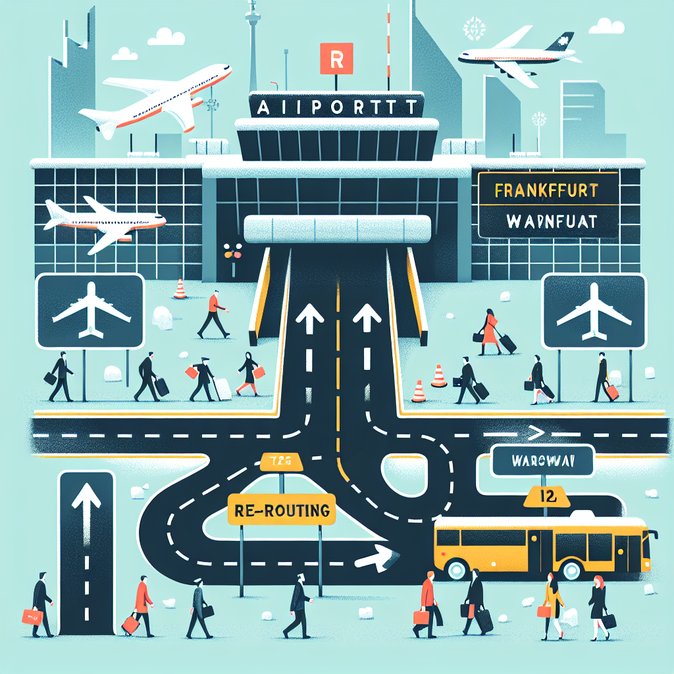
For global-mobility teams, the timing is critical: these provinces host major logistics corridors such as the A2 motorway and the Baltic ports of Gdynia and Gdańsk, which handle a growing share of near-shoring freight. Slippery roads and temporary speed restrictions can delay household-goods shipments and corporate shuttle services, while regional airports risk a repeat of last month’s runway closures.
Employers are advised to activate winter-driving protocols—mandatory snow-chains for fleet vehicles, extended trip-times and overnight hotel contingencies for field engineers. HR should also remind foreign staff unfamiliar with Polish winters of local regulations: headlights on 24/7, snow-clearing obligations for private driveways and hefty fines for driving on summer tyres.
![IMGW Issues Ice-Storm Alerts for Nine Polish Provinces, Warning of Travel Hazards]()
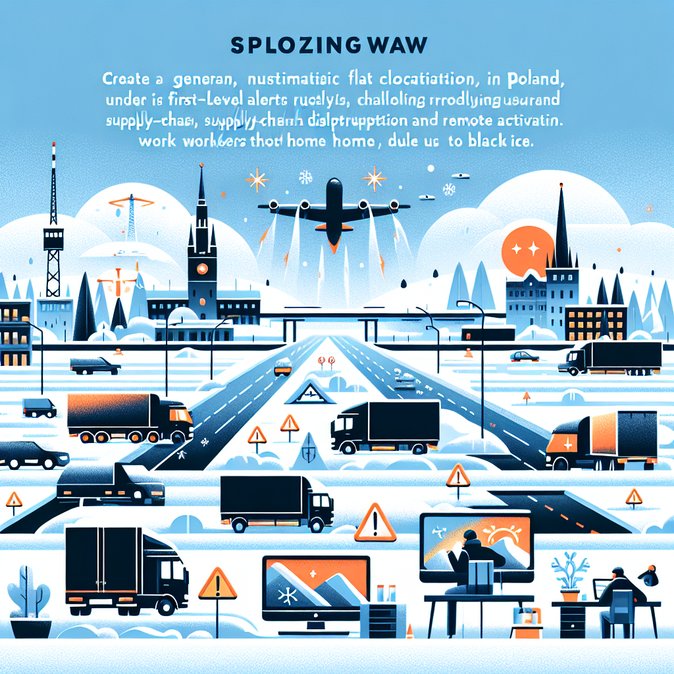
IMGW warns that the freezing-rain band will pivot south-east overnight, then transition to heavy snow as colder air arrives. The Government Security Centre (RCB) signalled that further SMS alerts may follow, triggering school closures and remote-work mandates. Companies with time-sensitive projects should therefore prepare for remote-execution options and monitor local authority channels.
Should foreign specialists need to adjust itineraries at short notice, VisaHQ can facilitate fast-track visa amendments, passport pickups and entry documentation for Poland—even when consular counters face weather closures. Mobility coordinators can review options or launch applications in minutes at https://www.visahq.com/poland/
Although the alert is “only” level I, forecasters peg the probability of hazardous icing at 80 percent. In a season already marked by extensive rail and flight disruption, even moderate ice events can snowball into multi-modal chaos if contingency plans are not in place.
For global-mobility teams, the timing is critical: these provinces host major logistics corridors such as the A2 motorway and the Baltic ports of Gdynia and Gdańsk, which handle a growing share of near-shoring freight. Slippery roads and temporary speed restrictions can delay household-goods shipments and corporate shuttle services, while regional airports risk a repeat of last month’s runway closures.
Employers are advised to activate winter-driving protocols—mandatory snow-chains for fleet vehicles, extended trip-times and overnight hotel contingencies for field engineers. HR should also remind foreign staff unfamiliar with Polish winters of local regulations: headlights on 24/7, snow-clearing obligations for private driveways and hefty fines for driving on summer tyres.

IMGW warns that the freezing-rain band will pivot south-east overnight, then transition to heavy snow as colder air arrives. The Government Security Centre (RCB) signalled that further SMS alerts may follow, triggering school closures and remote-work mandates. Companies with time-sensitive projects should therefore prepare for remote-execution options and monitor local authority channels.
Should foreign specialists need to adjust itineraries at short notice, VisaHQ can facilitate fast-track visa amendments, passport pickups and entry documentation for Poland—even when consular counters face weather closures. Mobility coordinators can review options or launch applications in minutes at https://www.visahq.com/poland/
Although the alert is “only” level I, forecasters peg the probability of hazardous icing at 80 percent. In a season already marked by extensive rail and flight disruption, even moderate ice events can snowball into multi-modal chaos if contingency plans are not in place.