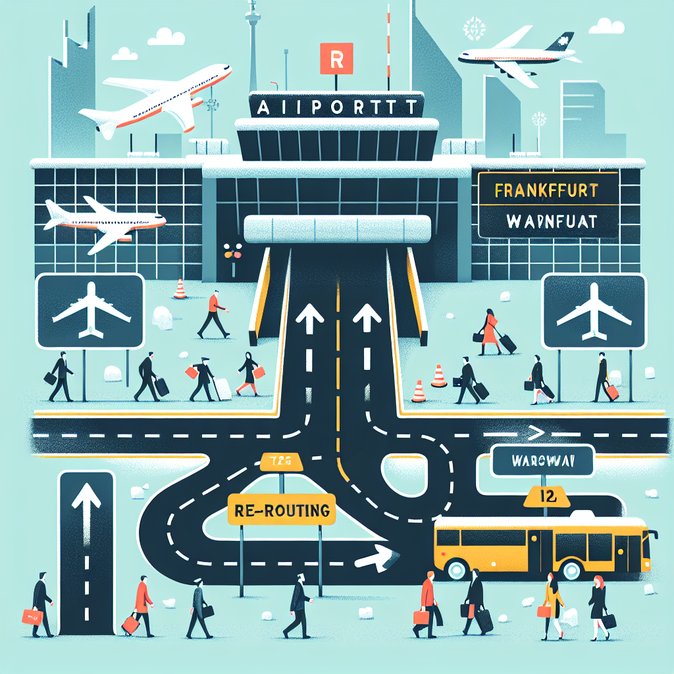
Berlin-Brandenburg Airport (BER) remained closed through 6 February after black ice rendered runways unusable for the second consecutive day. While the shutdown is a German domestic issue, it has immediate consequences for Polish mobility programmes. West-Polish cities such as Szczecin, Zielona Góra and even Wrocław rely on BER as their nearest intercontinental gateway; consultants estimate that one in eight Poland-originating business travellers to Asia or North America normally drives across the border to catch long-haul flights.
The closure has cancelled or diverted at least 170 flights, including Lufthansa, British Airways and LOT codeshares that normally funnel passengers into Warsaw for onward connections. Polish corporates with tight project kick-offs in China, the U.S. and the Gulf suddenly face multi-day delays or costly rerouting via Frankfurt or Warsaw.
Should last-minute rerouting also trigger unexpected visa requirements—perhaps a newly planned connection through the U.S. or the Gulf—VisaHQ can step in quickly. The service (https://www.visahq.com/poland/) lets Polish travellers check entry rules and arrange expedited processing online, easing an administrative burden at the very moment mobility teams are scrambling to secure alternative flights.
![Berlin-Brandenburg Freeze-Out Ripples Into Polish Itineraries as Hub Shuts for Second Day]()
Euronews notes that EU passenger-rights rules still oblige carriers to provide meals and hotel accommodation, but compensation is unlikely because extreme weather counts as an ‘extraordinary circumstance’. Mobility teams should therefore focus on re-booking: Deutsche Bahn has also curtailed long-distance trains between Berlin and Hanover, limiting rail-air back-ups.
Practical tips include switching to Szczecin-Goleniow or Poznań-Ławica for short-haul hops, using Warsaw-Chopin’s expanded evening bank of trans-Atlantic departures, or routing via Copenhagen, which currently reports normal operations. Employers should also remind staff that rental-car drop-off fees can soar when border crossings are involved—factor this into cost approvals.
With the German weather service warning that freezing drizzle could persist into next week, Polish planners should expect schedules to stabilise only gradually. Building flexibility into meetings—or moving them online—will save time and stress in a winter season increasingly defined by climate-driven volatility.
The closure has cancelled or diverted at least 170 flights, including Lufthansa, British Airways and LOT codeshares that normally funnel passengers into Warsaw for onward connections. Polish corporates with tight project kick-offs in China, the U.S. and the Gulf suddenly face multi-day delays or costly rerouting via Frankfurt or Warsaw.
Should last-minute rerouting also trigger unexpected visa requirements—perhaps a newly planned connection through the U.S. or the Gulf—VisaHQ can step in quickly. The service (https://www.visahq.com/poland/) lets Polish travellers check entry rules and arrange expedited processing online, easing an administrative burden at the very moment mobility teams are scrambling to secure alternative flights.
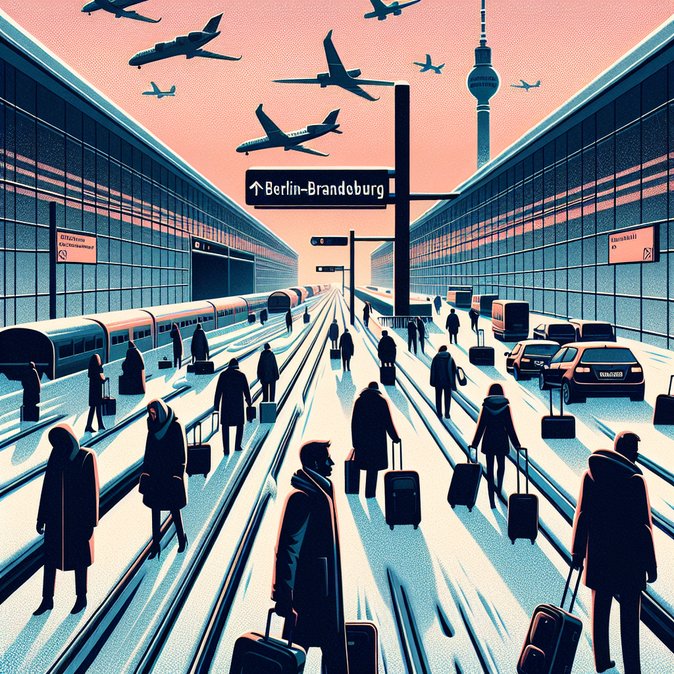
Euronews notes that EU passenger-rights rules still oblige carriers to provide meals and hotel accommodation, but compensation is unlikely because extreme weather counts as an ‘extraordinary circumstance’. Mobility teams should therefore focus on re-booking: Deutsche Bahn has also curtailed long-distance trains between Berlin and Hanover, limiting rail-air back-ups.
Practical tips include switching to Szczecin-Goleniow or Poznań-Ławica for short-haul hops, using Warsaw-Chopin’s expanded evening bank of trans-Atlantic departures, or routing via Copenhagen, which currently reports normal operations. Employers should also remind staff that rental-car drop-off fees can soar when border crossings are involved—factor this into cost approvals.
With the German weather service warning that freezing drizzle could persist into next week, Polish planners should expect schedules to stabilise only gradually. Building flexibility into meetings—or moving them online—will save time and stress in a winter season increasingly defined by climate-driven volatility.