Swiss nationals headed to the United States under the Visa Waiver Program (VWP) are being advised to re-apply for travel authorisation after U.S. Customs and Border Protection (CBP) quietly invalidated existing ESTAs that lack the new ‘live-photo’ facial-verification step. Immigration portal VisaVerge reports that airlines denied boarding to “thousands” of travellers on 1 February, the day the rule took effect.(visaverge.com)
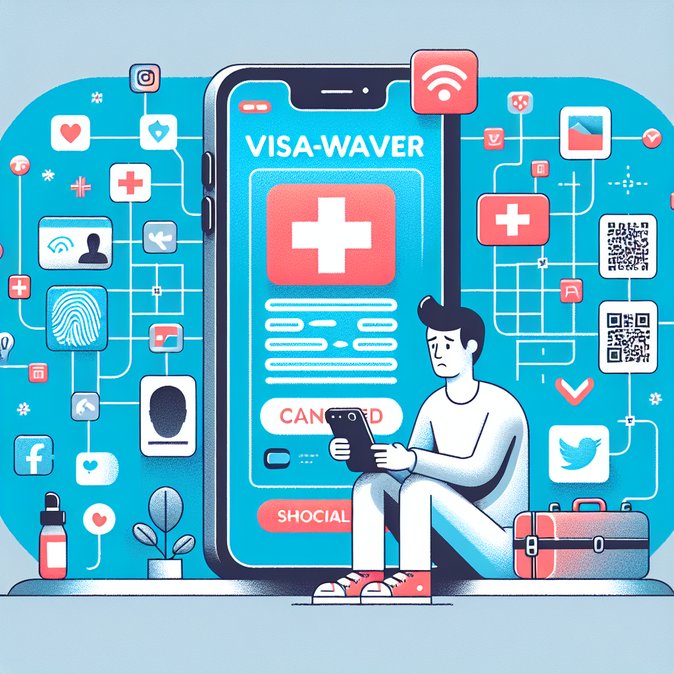
Under the change, VWP applicants must use the CBP mobile app to capture a real-time selfie, which is compared against passport data. The Department of Homeland Security (DHS) has also begun collecting five years of social-media history from visa-waiver travellers. Both measures are framed as anti-fraud and counter-terrorism tools, but have drawn criticism from privacy advocates in Europe.
For Swiss travellers unsure how to navigate these evolving requirements, VisaHQ offers a concise online platform—complete with Swiss-specific guidance—to confirm whether an existing ESTA is still valid and to facilitate new applications that meet the live-photo and social-media disclosure rules. Their step-by-step interface, accessible at https://www.visahq.com/switzerland/ streamlines the process and provides live support, helping individuals and corporate mobility teams avoid costly last-minute surprises.
![U.S. cancels thousands of ESTAs over new ‘live-photo’ rule, hitting Swiss leisure and business trips]()
For Swiss companies the practical risk is last-minute travel disruption. Employees with previously valid ESTAs may discover at check-in that their authorisation has been revoked. Mobility managers should audit upcoming U.S. trips, instruct travellers to log into the ESTA portal, and budget the US$ 21 fee and up to 72 hours for re-approval. Swiss tour operators are adding warnings to booking confirmations and advising clients to complete the live-photo step before purchasing non-refundable tickets.
Unlike the upcoming European ETIAS, the ESTA is valid for only two years. The new requirements effectively shorten that lifespan for many frequent flyers, forcing an immediate renewal. Swiss data-protection experts note that biometric and social-media data submitted via the mobile app are stored on U.S. servers, outside Swiss or EU jurisdiction.
In the medium term, the rule change could accelerate a shift towards alternative destinations. Visit USA Switzerland already predicts a 20-25 % drop in arrivals this year; cumbersome entry formalities may deepen that decline.
Under the change, VWP applicants must use the CBP mobile app to capture a real-time selfie, which is compared against passport data. The Department of Homeland Security (DHS) has also begun collecting five years of social-media history from visa-waiver travellers. Both measures are framed as anti-fraud and counter-terrorism tools, but have drawn criticism from privacy advocates in Europe.
For Swiss travellers unsure how to navigate these evolving requirements, VisaHQ offers a concise online platform—complete with Swiss-specific guidance—to confirm whether an existing ESTA is still valid and to facilitate new applications that meet the live-photo and social-media disclosure rules. Their step-by-step interface, accessible at https://www.visahq.com/switzerland/ streamlines the process and provides live support, helping individuals and corporate mobility teams avoid costly last-minute surprises.

For Swiss companies the practical risk is last-minute travel disruption. Employees with previously valid ESTAs may discover at check-in that their authorisation has been revoked. Mobility managers should audit upcoming U.S. trips, instruct travellers to log into the ESTA portal, and budget the US$ 21 fee and up to 72 hours for re-approval. Swiss tour operators are adding warnings to booking confirmations and advising clients to complete the live-photo step before purchasing non-refundable tickets.
Unlike the upcoming European ETIAS, the ESTA is valid for only two years. The new requirements effectively shorten that lifespan for many frequent flyers, forcing an immediate renewal. Swiss data-protection experts note that biometric and social-media data submitted via the mobile app are stored on U.S. servers, outside Swiss or EU jurisdiction.
In the medium term, the rule change could accelerate a shift towards alternative destinations. Visit USA Switzerland already predicts a 20-25 % drop in arrivals this year; cumbersome entry formalities may deepen that decline.