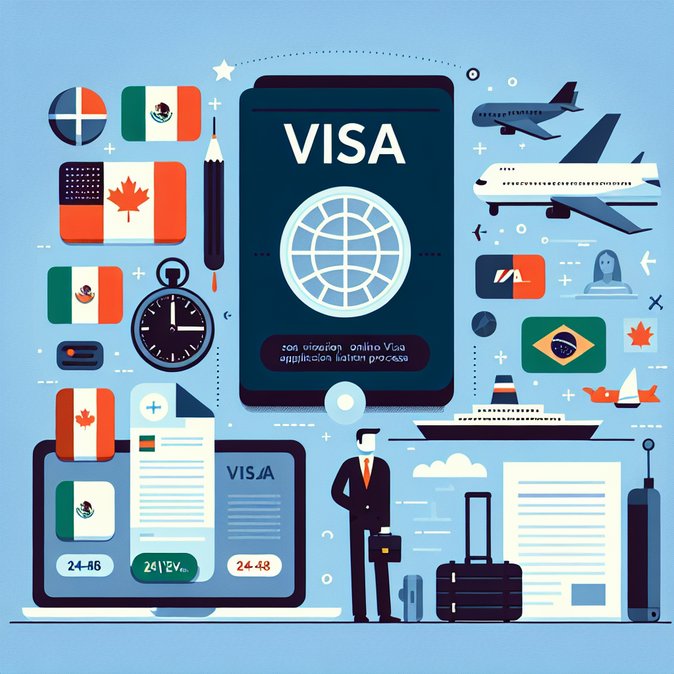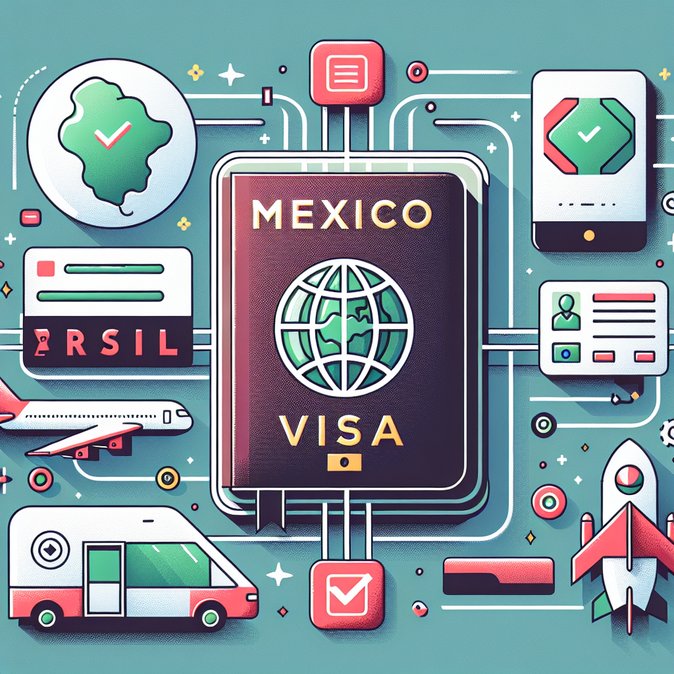
Mexico has switched the lights back on for its Sistema de Autorización Electrónica (SAE) after a three-year hiatus, once again allowing holders of Brazilian passports to secure entry clearance entirely on-line. The change—published late on 5 February and confirmed by the Mexican Consulate in São Paulo—took effect at 00:00 on 5 February 2026 and applies to air arrivals for tourism, short business meetings and airport transit. Applicants upload a passport scan, itinerary and proof of onward travel and normally receive a QR-coded approval e-mail within one hour. The authorisation is single-entry, valid for up to 180 days, and costs nothing beyond the time spent completing the form. The physical visa sticker issued by consulates since August 2022 remains valid until its printed expiry date, but new stickers will be issued only in exceptional cases such as seafaring crew or overland entrants.
Background matters. Mexico waived visas for Brazilians in 2004, but re-imposed an e-visa in December 2021 amid a spike in irregular migration to the United States. When that proved insufficient, authorities required a full consular sticker from August 2022, a move airlines and hotels say slashed Brazilian arrivals by more than 40 %. Spending by Brazilian card-holders in Mexico fell by roughly US $400 million in 2023, according to Banco de México. Tourism boards in Quintana Roo and Baja California Sur have lobbied hard for a return to digital processing in time to rebuild volume ahead of the 2026 FIFA World Cup.
Brazilian travellers keen to act on the newly revived SAE can simplify the paperwork through VisaHQ’s user-friendly portal, which checks documents for common mistakes, tracks application status in real time and offers multilingual support at no extra cost—ideal for both holidaymakers and corporate mobility teams. Explore the service and other visa solutions at https://www.visahq.com/brazil/
![Mexico reinstates electronic visa for Brazilian travellers, trimming red-tape for business and leisure routes]()
For corporate mobility managers the practical gains are immediate. Brazilian technicians heading to Monterrey assembly plants, oil-and-gas executives flying to Villahermosa, or sales teams bound for Mexico City fairs can once again obtain travel clearance without courier fees, apostilled bank statements or in-person interviews. Lead times drop from ten working days to as little as 24 hours, helping companies schedule short-notice site visits and emergency repairs. Policies in most travel-booking tools can be updated with a simple rule change rather than a complete workflow rebuild.
Risk and compliance teams should note that border agents still hold discretionary power. Travellers must present proof of funds, accommodation and onward transport if requested, and the SAE does not override Mexico’s right to refuse entry. The traditional exemptions also remain: Brazilians who already hold valid US, Canadian, Japanese, UK or Schengen visas—or permanent residence for those jurisdictions—continue to be visa-exempt for Mexico regardless of the new SAE.
More broadly, the move aligns Mexico with a regional trend towards paperless entry formalities: Colombia, Chile and the Dominican Republic have rolled out similar e-gate or digital-arrival systems in the past two years. For Brazil-based multinationals, Mexico’s decision removes a costly irritant in a key corridor and signals that pragmatic facilitation can win out over hard-line politics when economic stakes are high.
Background matters. Mexico waived visas for Brazilians in 2004, but re-imposed an e-visa in December 2021 amid a spike in irregular migration to the United States. When that proved insufficient, authorities required a full consular sticker from August 2022, a move airlines and hotels say slashed Brazilian arrivals by more than 40 %. Spending by Brazilian card-holders in Mexico fell by roughly US $400 million in 2023, according to Banco de México. Tourism boards in Quintana Roo and Baja California Sur have lobbied hard for a return to digital processing in time to rebuild volume ahead of the 2026 FIFA World Cup.
Brazilian travellers keen to act on the newly revived SAE can simplify the paperwork through VisaHQ’s user-friendly portal, which checks documents for common mistakes, tracks application status in real time and offers multilingual support at no extra cost—ideal for both holidaymakers and corporate mobility teams. Explore the service and other visa solutions at https://www.visahq.com/brazil/
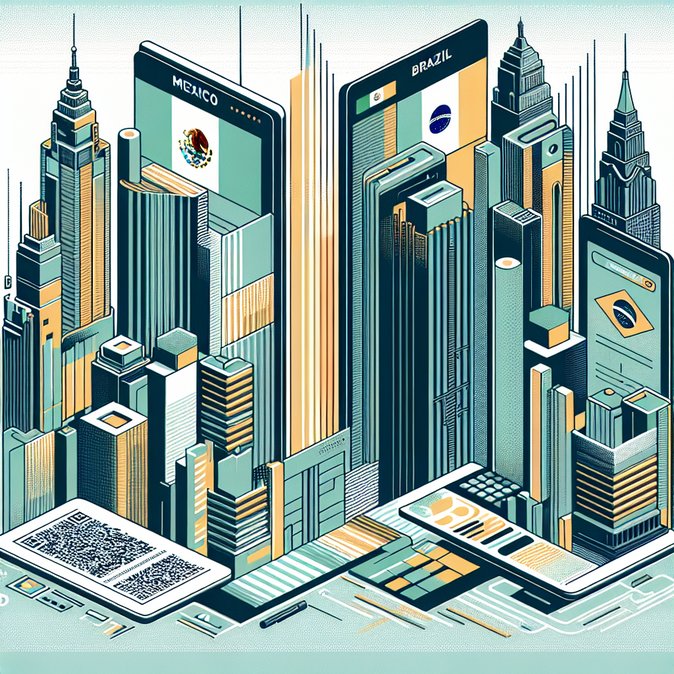
For corporate mobility managers the practical gains are immediate. Brazilian technicians heading to Monterrey assembly plants, oil-and-gas executives flying to Villahermosa, or sales teams bound for Mexico City fairs can once again obtain travel clearance without courier fees, apostilled bank statements or in-person interviews. Lead times drop from ten working days to as little as 24 hours, helping companies schedule short-notice site visits and emergency repairs. Policies in most travel-booking tools can be updated with a simple rule change rather than a complete workflow rebuild.
Risk and compliance teams should note that border agents still hold discretionary power. Travellers must present proof of funds, accommodation and onward transport if requested, and the SAE does not override Mexico’s right to refuse entry. The traditional exemptions also remain: Brazilians who already hold valid US, Canadian, Japanese, UK or Schengen visas—or permanent residence for those jurisdictions—continue to be visa-exempt for Mexico regardless of the new SAE.
More broadly, the move aligns Mexico with a regional trend towards paperless entry formalities: Colombia, Chile and the Dominican Republic have rolled out similar e-gate or digital-arrival systems in the past two years. For Brazil-based multinationals, Mexico’s decision removes a costly irritant in a key corridor and signals that pragmatic facilitation can win out over hard-line politics when economic stakes are high.