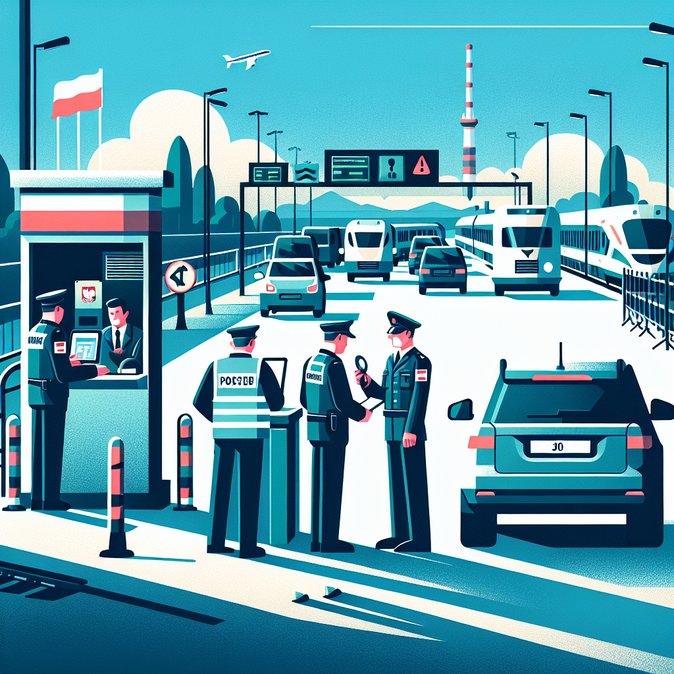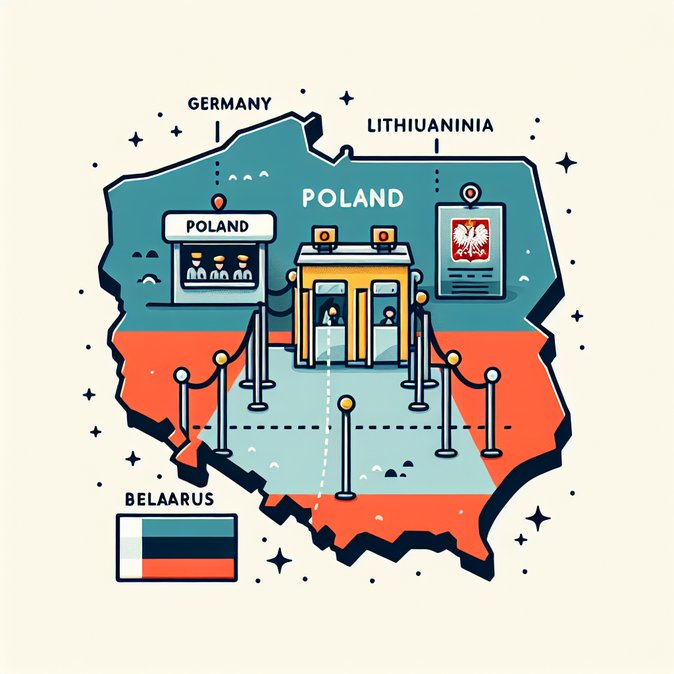
In its daily bulletin of 4 February, the Polish Border Guard confirmed that temporary controls on the frontiers with Germany and Lithuania—reintroduced in mid-2025 to curb irregular migration—have been extended again, this time until 4 April 2026. Officers screened more than 4,400 travellers and 2,200 vehicles on the German border and 3,500 people on the Lithuanian side on 3 February alone, refusing entry to four individuals under Schengen Article 25 procedures.
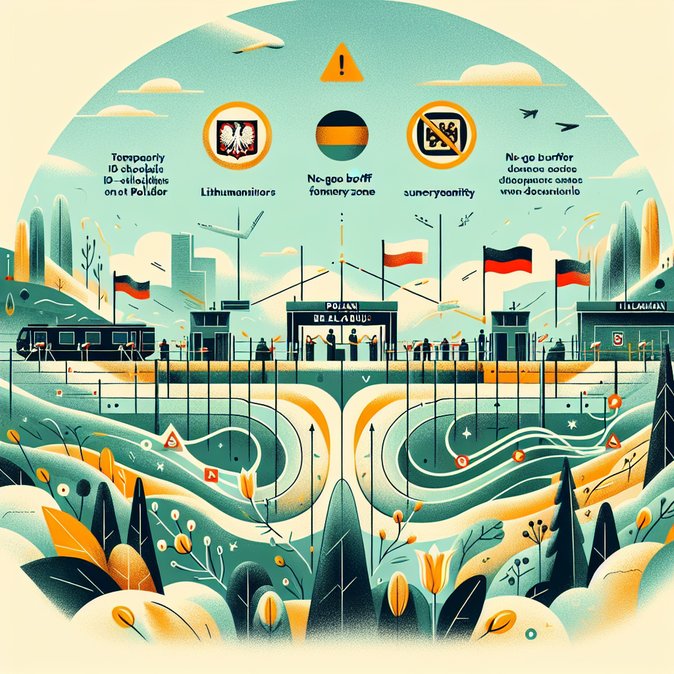
The bulletin also notes zero attempted illegal crossings from Belarus on the same day, crediting a 78-kilometre buffer zone—off-limits to unauthorised persons since mid-2024—for deterring facilitators. The zone, which varies from 200 metres to four kilometres in width, has been renewed repeatedly and is policed jointly by Border Guard, police and army units. Residents and accredited media may enter only with special passes.
Travellers who need clarity on ever-changing entry requirements can turn to VisaHQ, whose dedicated Poland page (https://www.visahq.com/poland/) offers quick online applications, document checklists and real-time updates on border policies—an easy way for tourists, business visitors and international drivers to avoid surprises at checkpoints.
![Poland prolongs temporary border checks with Germany and Lithuania as buffer zone holds on Belarus line]()
For logistics firms the continued checks translate into selective but unpredictable stops on trans-European Route E30 (Germany) and the Via Baltica (Lithuania). While most freight moves without delay, compliance managers are urging truck drivers to carry back-up identification and to factor in potential queue times at legacy crossing points such as Budzisko and Świecko.
The government argues the measures are a proportionate response to ‘hybrid pressures’ orchestrated via Belarus and reinforced by organised-crime networks exploiting labour shortages in Western Europe. Business lobbies remain divided: exporters applaud the security dividend, whereas tourism operators fear another summer of spot checks could dampen arrivals from Germany and the Baltic states.
With European Parliament elections in June, Warsaw is unlikely to relax the regime before the vote. Companies planning cross-border projects should therefore treat the controls as the new normal, at least through Q2.
The bulletin also notes zero attempted illegal crossings from Belarus on the same day, crediting a 78-kilometre buffer zone—off-limits to unauthorised persons since mid-2024—for deterring facilitators. The zone, which varies from 200 metres to four kilometres in width, has been renewed repeatedly and is policed jointly by Border Guard, police and army units. Residents and accredited media may enter only with special passes.
Travellers who need clarity on ever-changing entry requirements can turn to VisaHQ, whose dedicated Poland page (https://www.visahq.com/poland/) offers quick online applications, document checklists and real-time updates on border policies—an easy way for tourists, business visitors and international drivers to avoid surprises at checkpoints.
For logistics firms the continued checks translate into selective but unpredictable stops on trans-European Route E30 (Germany) and the Via Baltica (Lithuania). While most freight moves without delay, compliance managers are urging truck drivers to carry back-up identification and to factor in potential queue times at legacy crossing points such as Budzisko and Świecko.
The government argues the measures are a proportionate response to ‘hybrid pressures’ orchestrated via Belarus and reinforced by organised-crime networks exploiting labour shortages in Western Europe. Business lobbies remain divided: exporters applaud the security dividend, whereas tourism operators fear another summer of spot checks could dampen arrivals from Germany and the Baltic states.
With European Parliament elections in June, Warsaw is unlikely to relax the regime before the vote. Companies planning cross-border projects should therefore treat the controls as the new normal, at least through Q2.