Brazilians headed to Cancun, Mexico City or Monterrey can once again obtain entry clearance from the comfort of their laptops. On 5 February 2026, Mexico reinstated its Sistema de Autorización Electrónica (SAE)—commonly dubbed the e-Visa—for Brazilian nationals arriving by air for tourism or short, non-remunerated business. The change reverses a 2022 decision that forced travelers to seek physical visa stickers at consulates, a policy widely blamed for a 44 % drop in Brazilian arrivals and an estimated US $400 million hit to Mexico’s resort economy.
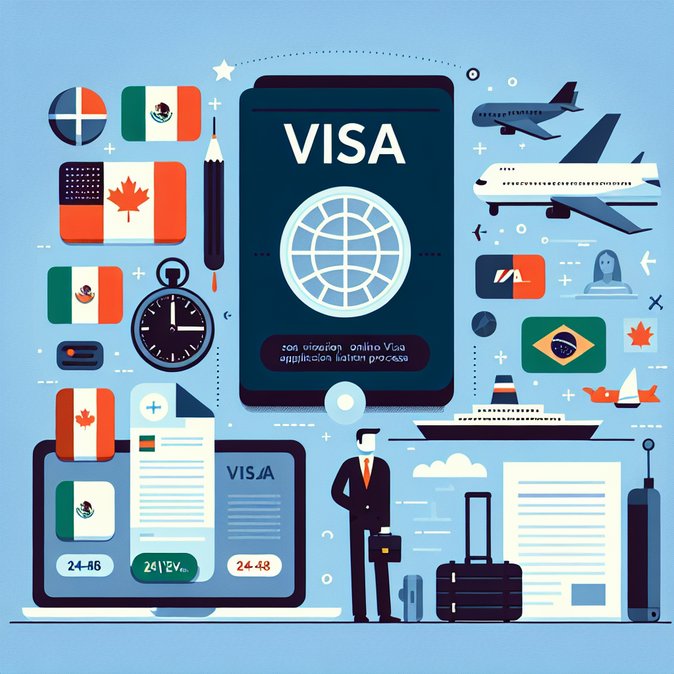
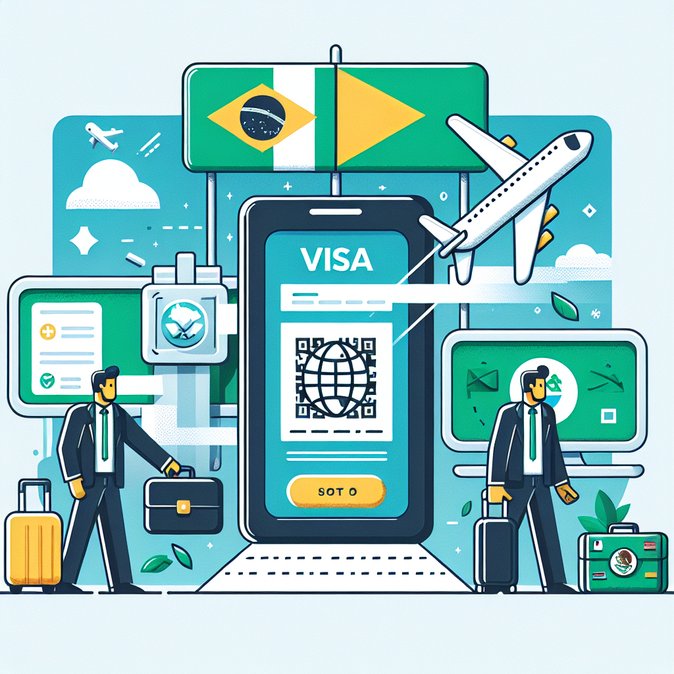
Under the revived SAE, applicants upload a passport scan, itinerary and proof of onward travel; most approvals are delivered within 30 minutes. Airlines have issued ground-handling bulletins instructing check-in agents to verify the QR-coded approval before issuing boarding passes. Physical visas issued prior to 5 February remain valid until their printed expiry dates.
For Brazilians who prefer a streamlined, guided experience, VisaHQ’s Brazil portal (https://www.visahq.com/brazil/) can prepare and submit the SAE application on their behalf, double-checking every document to prevent last-minute snags and often securing approval within the same half-hour window.
![Mexico Re-launches Electronic Visa for Brazilian Visitors, Effective Immediately]()
Tour operators across the Riviera Maya immediately welcomed the development. The Meliá and Posadas hotel groups reported a 15 % week-on-week rise in new bookings from Brazil within hours of the announcement. Corporate-mobility managers also see benefits: Brazilian engineers supporting energy projects in Querétaro, who previously waited up to 10 working days for consular visas, can now travel on 48-hour notice.
Travel-risk advisors caution that Mexican immigration officers still retain discretion to request financial means, hotel confirmations and return tickets on arrival. Frequent travelers holding valid U.S., Canadian, UK, Japanese or Schengen visas remain exempt from any Mexican visa requirement.
Global companies should update their pre-trip checklists, ensure employees download the SAE approval to a mobile device, and remind travelers that the e-Visa is single-entry and valid for 180 days. Multiple trips will therefore require new applications each time.
Under the revived SAE, applicants upload a passport scan, itinerary and proof of onward travel; most approvals are delivered within 30 minutes. Airlines have issued ground-handling bulletins instructing check-in agents to verify the QR-coded approval before issuing boarding passes. Physical visas issued prior to 5 February remain valid until their printed expiry dates.
For Brazilians who prefer a streamlined, guided experience, VisaHQ’s Brazil portal (https://www.visahq.com/brazil/) can prepare and submit the SAE application on their behalf, double-checking every document to prevent last-minute snags and often securing approval within the same half-hour window.

Tour operators across the Riviera Maya immediately welcomed the development. The Meliá and Posadas hotel groups reported a 15 % week-on-week rise in new bookings from Brazil within hours of the announcement. Corporate-mobility managers also see benefits: Brazilian engineers supporting energy projects in Querétaro, who previously waited up to 10 working days for consular visas, can now travel on 48-hour notice.
Travel-risk advisors caution that Mexican immigration officers still retain discretion to request financial means, hotel confirmations and return tickets on arrival. Frequent travelers holding valid U.S., Canadian, UK, Japanese or Schengen visas remain exempt from any Mexican visa requirement.
Global companies should update their pre-trip checklists, ensure employees download the SAE approval to a mobile device, and remind travelers that the e-Visa is single-entry and valid for 180 days. Multiple trips will therefore require new applications each time.