With little fanfare but high operational impact, Brazil on 5 February 2026 fully activated its long-planned electronic-visa (e-Visa) platform for citizens of the United States, Canada, Mexico, France and several other countries. The move formally ends the visa-waiver that had been in place since 2019 and brings Brazil back in line with the global shift toward pre-travel digital screening.
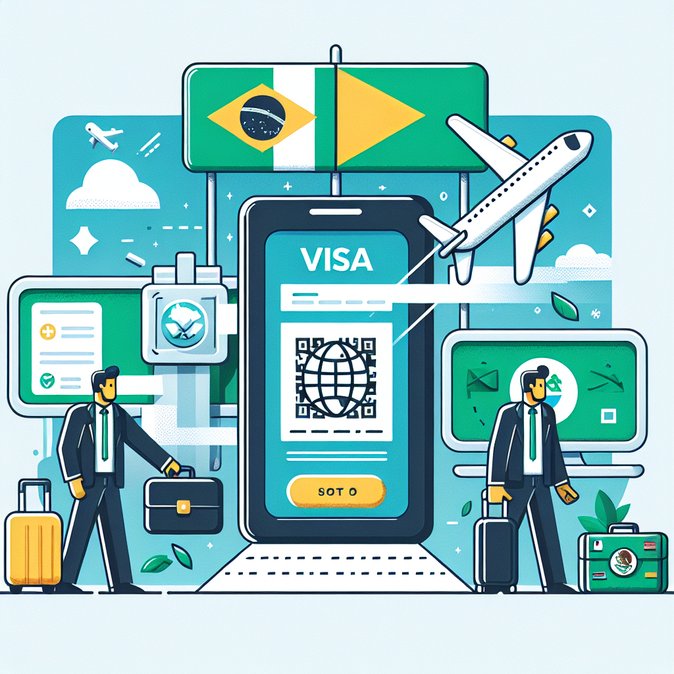
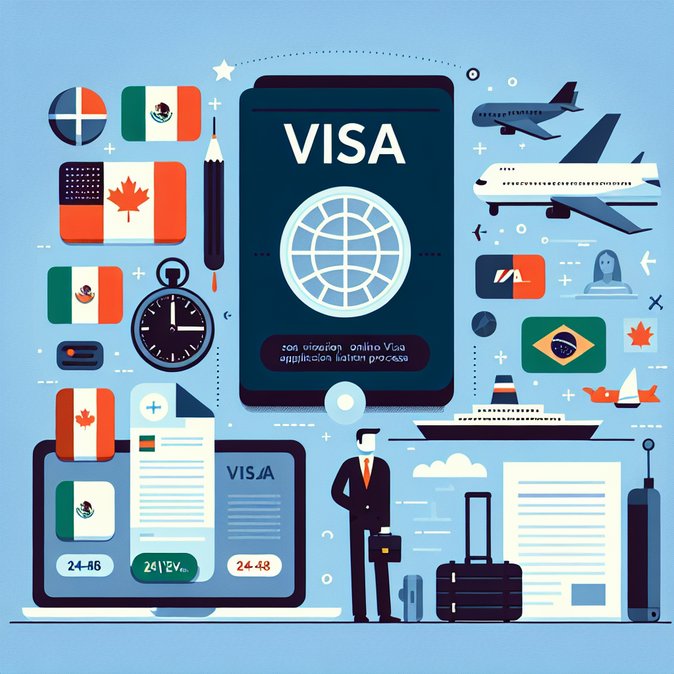
Under the new system, applicants complete a five-step online form, upload a passport scan and pay a processing fee of R$ 257 (≈ US $51). Approvals with embedded QR codes are being issued in as little as 48 hours, according to the Ministry of Foreign Affairs. Airlines have already configured their departure-control systems so that boarding passes cannot be issued until the e-Visa code is validated, a measure designed to reduce the number of inadmissible passengers arriving at Brazilian airports.
A convenient way to navigate the new requirement is to outsource the paperwork: VisaHQ’s Brazil e-Visa service (https://www.visahq.com/brazil/) walks applicants through the form, verifies document quality and tracks approvals in real time, reducing the risk of last-minute surprises for both individual travelers and corporate mobility teams.
![Brazil Switches On New e-Visa System for U.S., Canadian, Mexican and French Travelers]()
For business-travel stakeholders, the change alters trip-planning timelines. U.S. corporations with Latin America headquarters in São Paulo report adding a minimum three-day buffer to their travel-approval workflows. Mobility managers should also flag documentation nuances: the e-Visa is valid for up to five years but limits each stay to 90 days, renewable once within a 12-month period. Travelers who already hold a Brazilian Cidadão de Estrangeiro (CRNM) card remain exempt.
The new requirement follows months of negotiation between Brasília and Washington, during which Brazil sought—and did not obtain—a reciprocal waiver. Foreign-policy analysts say the e-Visa’s modest fee structure signals Brazil’s intent to balance security objectives with competitiveness: the cost is lower than what many of the affected countries charge Brazilian applicants.
Companies should update their travel-policy FAQs, ensure HRIS profiles match passport data exactly to avoid e-Visa rejections, and remind frequent travelers that overstays can trigger fines of R$ 100 per day and future entry bans.
Under the new system, applicants complete a five-step online form, upload a passport scan and pay a processing fee of R$ 257 (≈ US $51). Approvals with embedded QR codes are being issued in as little as 48 hours, according to the Ministry of Foreign Affairs. Airlines have already configured their departure-control systems so that boarding passes cannot be issued until the e-Visa code is validated, a measure designed to reduce the number of inadmissible passengers arriving at Brazilian airports.
A convenient way to navigate the new requirement is to outsource the paperwork: VisaHQ’s Brazil e-Visa service (https://www.visahq.com/brazil/) walks applicants through the form, verifies document quality and tracks approvals in real time, reducing the risk of last-minute surprises for both individual travelers and corporate mobility teams.

For business-travel stakeholders, the change alters trip-planning timelines. U.S. corporations with Latin America headquarters in São Paulo report adding a minimum three-day buffer to their travel-approval workflows. Mobility managers should also flag documentation nuances: the e-Visa is valid for up to five years but limits each stay to 90 days, renewable once within a 12-month period. Travelers who already hold a Brazilian Cidadão de Estrangeiro (CRNM) card remain exempt.
The new requirement follows months of negotiation between Brasília and Washington, during which Brazil sought—and did not obtain—a reciprocal waiver. Foreign-policy analysts say the e-Visa’s modest fee structure signals Brazil’s intent to balance security objectives with competitiveness: the cost is lower than what many of the affected countries charge Brazilian applicants.
Companies should update their travel-policy FAQs, ensure HRIS profiles match passport data exactly to avoid e-Visa rejections, and remind frequent travelers that overstays can trigger fines of R$ 100 per day and future entry bans.