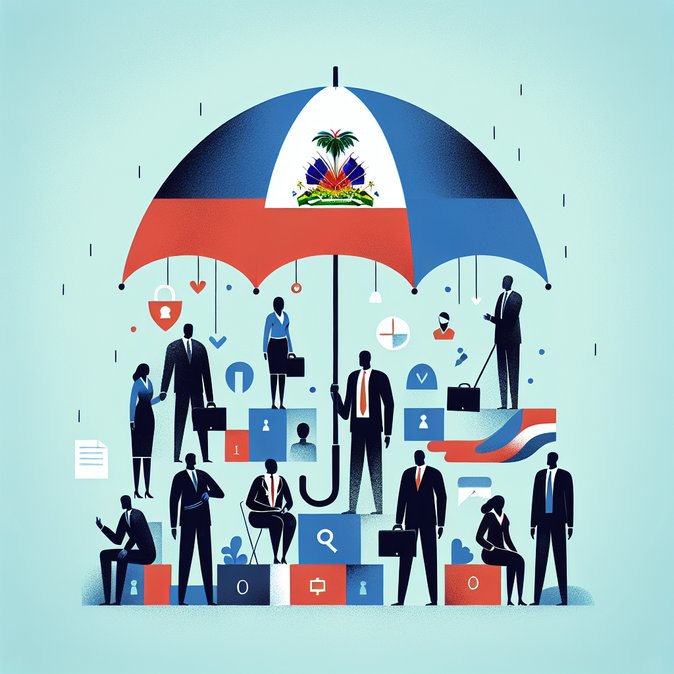
In a late-night ruling on February 2, the U.S. District Court for the District of Columbia stayed the Department of Homeland Security’s plan to terminate Temporary Protected Status (TPS) for Haiti, which had been scheduled to lapse at 11:59 p.m. on February 3.
Less than 24 hours later—on February 4—USCIS updated its website to automatically extend Employment Authorization Documents (EADs) for all covered Haitian TPS holders “until further notice.” The auto-extension applies to EADs bearing original expiration dates as far back as July 22 2017 and as recent as February 3 2026, forestalling mass reverification and potential job loss for an estimated 350,000 workers nationwide.
VisaHQ, a global visa and immigration services platform, can help both Haitian nationals and U.S. employers understand the practical implications of the stay, secure replacement EAD cards when necessary, and keep track of future TPS-related filing deadlines. Their online portal (https://www.visahq.com/united-states/) offers up-to-date alerts, document checklists, and personalised support, making it easier to stay compliant while the litigation plays out.
![Federal Judge Halts Haiti TPS Termination; USCIS Auto-Extends Work Permits]()
Practically, employers may treat extended EADs as unexpired List A documents for Form I-9 purposes, but counsel recommend annotating the form with “TPS Haiti—court order 2/2/26” and setting tickler reminders for the eventual USCIS update. Companies with large Haitian workforces—particularly in healthcare, hospitality and construction hubs such as South Florida and the Northeast—avoid abrupt scheduling gaps and overtime costs that would have resulted from overnight job terminations.
The litigation (Lesly Miot v. Trump) argues that DHS failed to consider country conditions and relied on a politicised rationale. The stay will remain in place until the court issues a merits decision or an appellate court intervenes. DHS is expected to appeal, but most observers believe an ultimate resolution could lag well into 2027.
For global-mobility managers, the ruling underscores the volatility of humanitarian programmes under the current administration and the need for rapid I-9 compliance protocols. Employers are advised to communicate proactively with affected staff, document EAD extensions, and prepare for possible reverification windows if the stay is lifted.
Less than 24 hours later—on February 4—USCIS updated its website to automatically extend Employment Authorization Documents (EADs) for all covered Haitian TPS holders “until further notice.” The auto-extension applies to EADs bearing original expiration dates as far back as July 22 2017 and as recent as February 3 2026, forestalling mass reverification and potential job loss for an estimated 350,000 workers nationwide.
VisaHQ, a global visa and immigration services platform, can help both Haitian nationals and U.S. employers understand the practical implications of the stay, secure replacement EAD cards when necessary, and keep track of future TPS-related filing deadlines. Their online portal (https://www.visahq.com/united-states/) offers up-to-date alerts, document checklists, and personalised support, making it easier to stay compliant while the litigation plays out.

Practically, employers may treat extended EADs as unexpired List A documents for Form I-9 purposes, but counsel recommend annotating the form with “TPS Haiti—court order 2/2/26” and setting tickler reminders for the eventual USCIS update. Companies with large Haitian workforces—particularly in healthcare, hospitality and construction hubs such as South Florida and the Northeast—avoid abrupt scheduling gaps and overtime costs that would have resulted from overnight job terminations.
The litigation (Lesly Miot v. Trump) argues that DHS failed to consider country conditions and relied on a politicised rationale. The stay will remain in place until the court issues a merits decision or an appellate court intervenes. DHS is expected to appeal, but most observers believe an ultimate resolution could lag well into 2027.
For global-mobility managers, the ruling underscores the volatility of humanitarian programmes under the current administration and the need for rapid I-9 compliance protocols. Employers are advised to communicate proactively with affected staff, document EAD extensions, and prepare for possible reverification windows if the stay is lifted.
More From United States of America
View all
USCIS Sets March 4 Opening for FY 2027 H-1B Cap Registration, Introduces Weighted Lottery and $215 Fee

Labor Department Systems Come Back Online After Shutdown, Restoring PERM, LCA and Prevailing-Wage Filings