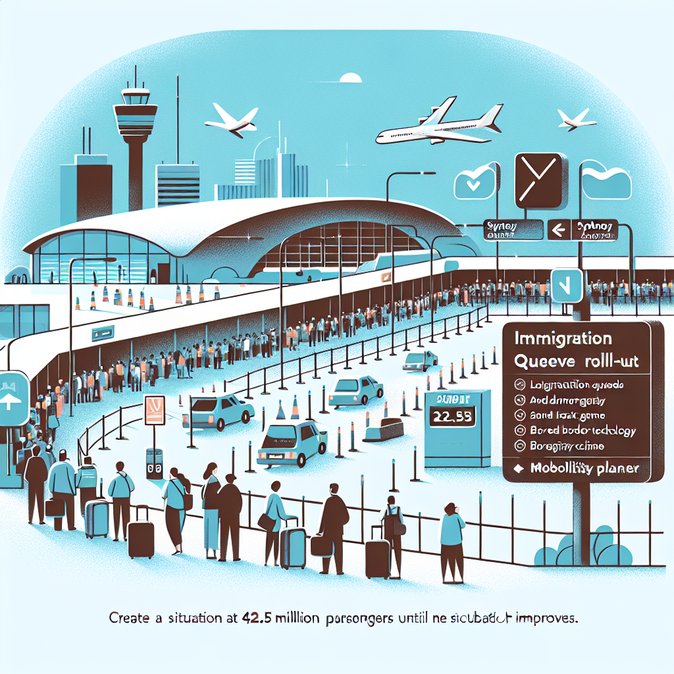
In traffic results released on 4 February, Sydney Airport confirmed that 42.54 million passengers passed through its terminals in calendar-year 2025—the highest figure since records began. International traffic led the surge, climbing 12 per cent to 17.17 million on the back of restored Chinese, Korean and Japanese capacity.
Chief executive Scott Charlton welcomed the rebound but warned that infrastructure is reaching its limits. Ninety per cent of arriving passengers still face immigration-queue times of up to 35 minutes despite eight new SmartGate kiosks installed last quarter. Delivery of a further 32 kiosks has slipped by six months due to “backend-system constraints”, prompting airline and airport executives to call for expedited funding.
To ease some of that front-end stress, travellers can make sure all visa formalities are handled well before departure. VisaHQ’s online platform (https://www.visahq.com/australia/) walks tourists, business visitors and crew through every step of the Australian visa process, ensuring documents are approved and uploaded correctly so passengers can head straight for the SmartGate kiosks on arrival.
![Sydney Airport reports record 42.5 million passengers for 2025 but urges government to fast-track border-technology upgrades]()
Sydney Airport is ploughing AUD 6 billion into a capital-works plan that includes a AUD 200 million expansion of Terminal 2 and integration of T2–T3, but many projects hinge on reciprocal investment in Australian Border Force technology. Industry bodies argue that longer queues threaten Australia’s competitiveness as a regional hub, especially for high-yield business travellers who value seamless processing.
From a global-mobility standpoint, companies may need to factor in longer arrival times when scheduling meetings on touchdown days in Sydney. The airport recommends that premium-visa holders and crew use the priority lanes where eligible, and reminds frequent flyers to ensure their passport details are pre-loaded for SmartGate use.
The airport’s master-plan consultation closes next month, with stakeholders pushing for a review of the legislated movement cap and curfew that further constrain peak-period resilience.
Chief executive Scott Charlton welcomed the rebound but warned that infrastructure is reaching its limits. Ninety per cent of arriving passengers still face immigration-queue times of up to 35 minutes despite eight new SmartGate kiosks installed last quarter. Delivery of a further 32 kiosks has slipped by six months due to “backend-system constraints”, prompting airline and airport executives to call for expedited funding.
To ease some of that front-end stress, travellers can make sure all visa formalities are handled well before departure. VisaHQ’s online platform (https://www.visahq.com/australia/) walks tourists, business visitors and crew through every step of the Australian visa process, ensuring documents are approved and uploaded correctly so passengers can head straight for the SmartGate kiosks on arrival.
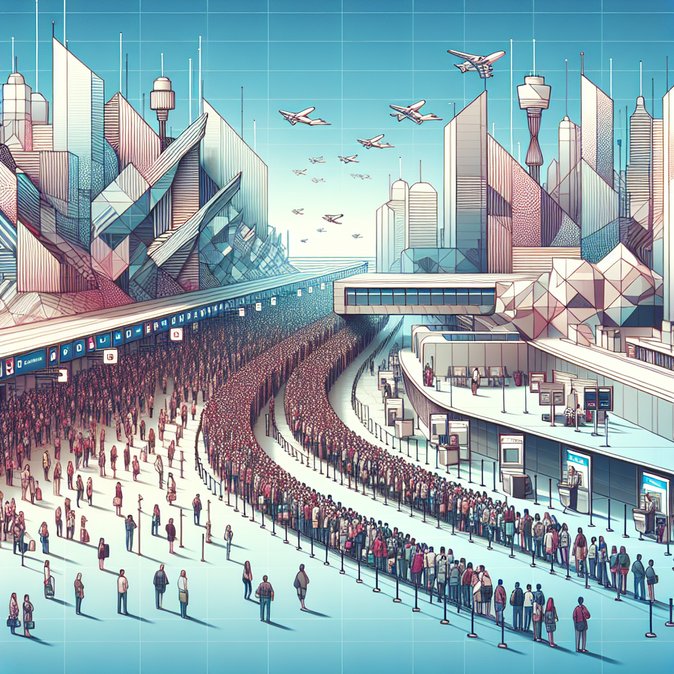
Sydney Airport is ploughing AUD 6 billion into a capital-works plan that includes a AUD 200 million expansion of Terminal 2 and integration of T2–T3, but many projects hinge on reciprocal investment in Australian Border Force technology. Industry bodies argue that longer queues threaten Australia’s competitiveness as a regional hub, especially for high-yield business travellers who value seamless processing.
From a global-mobility standpoint, companies may need to factor in longer arrival times when scheduling meetings on touchdown days in Sydney. The airport recommends that premium-visa holders and crew use the priority lanes where eligible, and reminds frequent flyers to ensure their passport details are pre-loaded for SmartGate use.
The airport’s master-plan consultation closes next month, with stakeholders pushing for a review of the legislated movement cap and curfew that further constrain peak-period resilience.
More From Australia
View all
Air New Zealand strike to disrupt long-haul services, prompts contingency planning for Australia-bound business travellers
218 flights delayed at Sydney and Melbourne as weather and ATC bottlenecks snarl Australia’s two busiest hubs