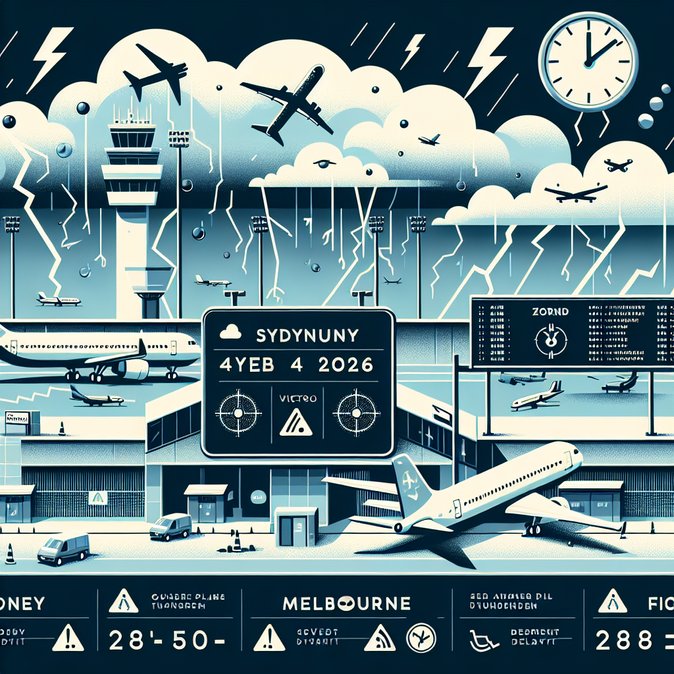
Australia’s aviation sector endured a bruising 4 February after a potent mix of summer thunderstorms, air-traffic-control flow delays and crew-duty limits rippled across Sydney Kingsford-Smith and Melbourne Tullamarine. Industry portal Travel and Tour World counted 218 delays and three outright cancellations by mid-afternoon, affecting airlines ranging from Qantas and Jetstar to Cathay Pacific and Air New Zealand.
Sydney, which is constrained by a legislated hourly movement cap and a single main runway during wet-weather ops, bore the brunt with 102 delays and two cancellations. Melbourne reported 116 delays and one cancellation, but knock-on effects spread nationwide as aircraft and crew missed onward rotations.
For globally mobile staff, the disruptions translated into missed connections at key Asian and Middle-Eastern hubs and forced last-minute overnight stays. Travel managers say the incident highlights the fragility of Australia’s peak-summer schedule, when thunderstorms frequently exceed the planning assumptions baked into on-time-performance guarantees.
![218 flights delayed at Sydney and Melbourne as weather and ATC bottlenecks snarl Australia’s two busiest hubs]()
In light of such turmoil, having the right travel documentation in order becomes just as critical as securing a rebooked seat. VisaHQ (https://www.visahq.com/australia/) streamlines Australian ETA and visa applications for both business and leisure travellers, offers real-time status tracking, and can arrange expedited processing when sudden rerouting forces stops in additional countries. By offloading the paperwork to a dedicated service, mobility managers gain one less variable to worry about during weather-induced disruptions.
Airlines invoked their customer-care policies, offering meal vouchers, hotel rooms and fee-free rebooking, yet queues at service desks stretched into the terminals. Sydney Airport reiterated calls for accelerated investment in GNSS-based approach procedures and a review of the movement cap—measures it claims would boost resilience without compromising noise-sharing.
Corporate mobility teams are urged to brief travelling employees on the heightened risk of weather-related disruption until the La Niña-like conditions abate later this month. Contingency buffers of at least six hours are recommended for any same-day international connections through Australia’s east-coast gateways.
Sydney, which is constrained by a legislated hourly movement cap and a single main runway during wet-weather ops, bore the brunt with 102 delays and two cancellations. Melbourne reported 116 delays and one cancellation, but knock-on effects spread nationwide as aircraft and crew missed onward rotations.
For globally mobile staff, the disruptions translated into missed connections at key Asian and Middle-Eastern hubs and forced last-minute overnight stays. Travel managers say the incident highlights the fragility of Australia’s peak-summer schedule, when thunderstorms frequently exceed the planning assumptions baked into on-time-performance guarantees.

In light of such turmoil, having the right travel documentation in order becomes just as critical as securing a rebooked seat. VisaHQ (https://www.visahq.com/australia/) streamlines Australian ETA and visa applications for both business and leisure travellers, offers real-time status tracking, and can arrange expedited processing when sudden rerouting forces stops in additional countries. By offloading the paperwork to a dedicated service, mobility managers gain one less variable to worry about during weather-induced disruptions.
Airlines invoked their customer-care policies, offering meal vouchers, hotel rooms and fee-free rebooking, yet queues at service desks stretched into the terminals. Sydney Airport reiterated calls for accelerated investment in GNSS-based approach procedures and a review of the movement cap—measures it claims would boost resilience without compromising noise-sharing.
Corporate mobility teams are urged to brief travelling employees on the heightened risk of weather-related disruption until the La Niña-like conditions abate later this month. Contingency buffers of at least six hours are recommended for any same-day international connections through Australia’s east-coast gateways.
More From Australia
View all
Air New Zealand strike to disrupt long-haul services, prompts contingency planning for Australia-bound business travellers
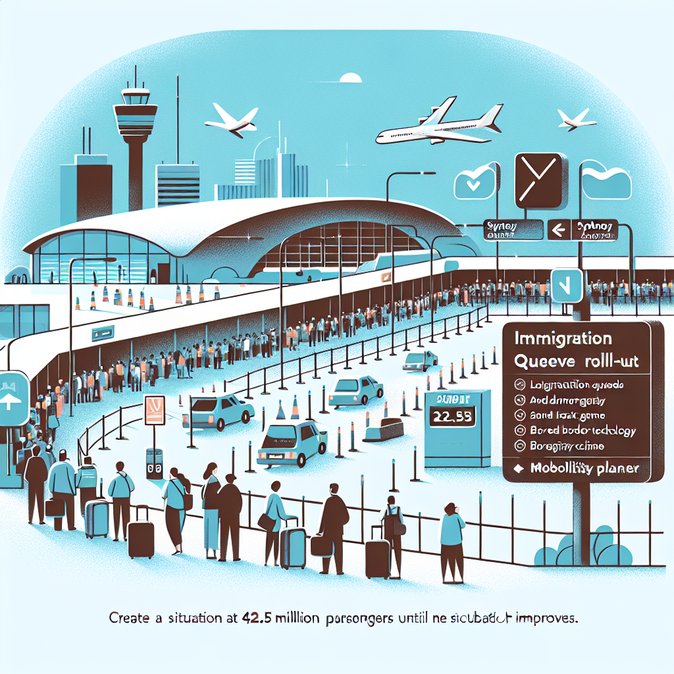
Sydney Airport reports record 42.5 million passengers for 2025 but urges government to fast-track border-technology upgrades