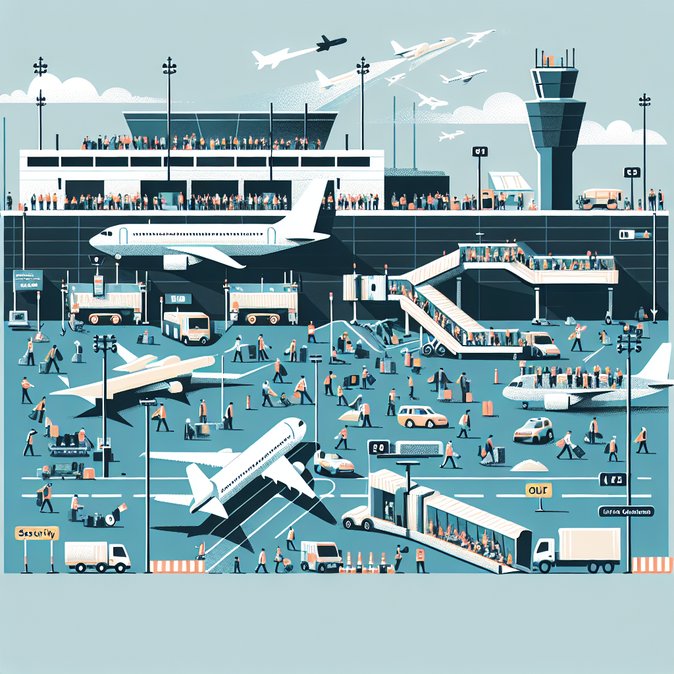
Nearly 400,000 passengers are forecast to pass through Dublin Airport between Saturday 1 February and Monday 3 February as Ireland marks its fourth St Brigid’s Day bank-holiday weekend. The surge comes at a traditionally quiet time for tourism but, three years after the holiday’s creation, it is proving to be a mini-peak for both outbound leisure traffic and inbound city-break visitors. Airport operator daa said early-morning departures to sun destinations such as the Canary Islands, Malaga and Faro are fully booked, while trans-Atlantic loads are “well above seasonal norms”.
The spike will be an important stress-test of the airport’s infrastructure ahead of the busy Easter and summer programmes. Dublin handled 36 million passengers last year, breaching its long-criticised 32 million planning cap for a second consecutive year. A Government Bill to scrap the cap entirely is due before Cabinet later this month, but until new legislation is passed the airport must operate under a temporary derogation issued by the Irish Aviation Authority. Airlines have warned that any re-imposition of the limit would force them to cut routes at short notice, jeopardising corporate connectivity and inbound conference business.
For those still sorting travel documents, VisaHQ’s Irish portal (https://www.visahq.com/ireland/) offers a quick way to check destination entry rules and arrange visas online, ensuring passengers avoid last-minute paperwork snags before they reach the terminal.
![St Brigid’s Bank Holiday Pushes Dublin Airport to Near-Capacity With 400,000 Travellers]()
For business travellers the weekend offers both opportunity and risk. Fast-track security has been opened from 04:00 and daa advises arriving two hours before short-haul and three hours before long-haul flights. The airport’s new CT scanners mean passengers can keep laptops and liquids (up to 2 litres) in their baggage, shaving minutes off screening times. However, high winds linked to residual weather from Storm Chandra caused 11 cancellations on Saturday afternoon and could yet disrupt Monday evening rotations. Travellers with tight Monday-morning meetings are urged to monitor airline apps and build extra connection time.
Tourism agency Fáilte Ireland says hotel occupancies across Dublin and Galway exceed 85 per cent for the long weekend, lifting a shoulder-season that was “badly needed after January’s storm-related cancellations”. Restaurants and attractions report strong pre-bookings from US and German visitors taking advantage of off-season airfares. If the trend holds, the agency estimates the February holiday could add €25-€30 million in incremental tourism receipts nationwide—evidence that a strategic public-holiday can stimulate mobility during the lull between Christmas and Easter.
While unions welcomed the boost for hospitality jobs, environmental groups renewed calls for a rail-air passenger duty, arguing that additional flights in February negate winter carbon-reduction gains. The debate underscores the balancing act facing policymakers as they attempt to expand Ireland’s global connectivity without derailing climate commitments.
The spike will be an important stress-test of the airport’s infrastructure ahead of the busy Easter and summer programmes. Dublin handled 36 million passengers last year, breaching its long-criticised 32 million planning cap for a second consecutive year. A Government Bill to scrap the cap entirely is due before Cabinet later this month, but until new legislation is passed the airport must operate under a temporary derogation issued by the Irish Aviation Authority. Airlines have warned that any re-imposition of the limit would force them to cut routes at short notice, jeopardising corporate connectivity and inbound conference business.
For those still sorting travel documents, VisaHQ’s Irish portal (https://www.visahq.com/ireland/) offers a quick way to check destination entry rules and arrange visas online, ensuring passengers avoid last-minute paperwork snags before they reach the terminal.
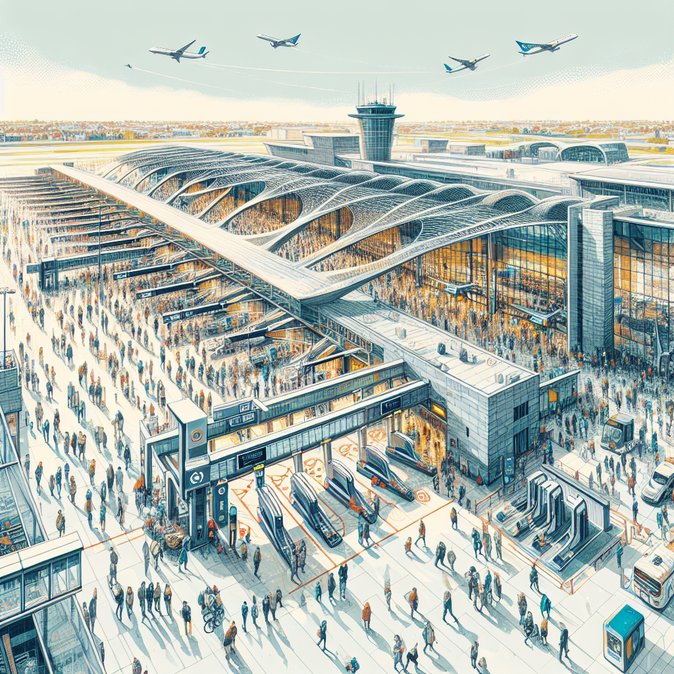
For business travellers the weekend offers both opportunity and risk. Fast-track security has been opened from 04:00 and daa advises arriving two hours before short-haul and three hours before long-haul flights. The airport’s new CT scanners mean passengers can keep laptops and liquids (up to 2 litres) in their baggage, shaving minutes off screening times. However, high winds linked to residual weather from Storm Chandra caused 11 cancellations on Saturday afternoon and could yet disrupt Monday evening rotations. Travellers with tight Monday-morning meetings are urged to monitor airline apps and build extra connection time.
Tourism agency Fáilte Ireland says hotel occupancies across Dublin and Galway exceed 85 per cent for the long weekend, lifting a shoulder-season that was “badly needed after January’s storm-related cancellations”. Restaurants and attractions report strong pre-bookings from US and German visitors taking advantage of off-season airfares. If the trend holds, the agency estimates the February holiday could add €25-€30 million in incremental tourism receipts nationwide—evidence that a strategic public-holiday can stimulate mobility during the lull between Christmas and Easter.
While unions welcomed the boost for hospitality jobs, environmental groups renewed calls for a rail-air passenger duty, arguing that additional flights in February negate winter carbon-reduction gains. The debate underscores the balancing act facing policymakers as they attempt to expand Ireland’s global connectivity without derailing climate commitments.