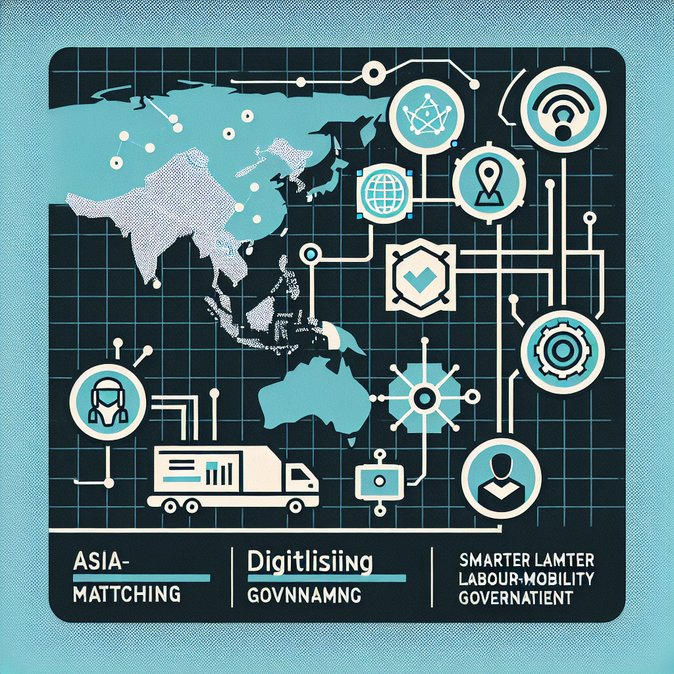
Labour ministers from 17 Asian sending nations and the six GCC receiving states wrapped up the 8th Abu Dhabi Dialogue (ADD) in Dubai with an ambitious blueprint to overhaul cross-border worker mobility. The closing communiqué, issued on 2 February 2026, prioritises the use of artificial intelligence, digital worker profiles and smart inspection systems to match skills with demand and crack down on illegal recruitment.(bignewsnetwork.com)
Under the new roadmap for the 2026-2027 cycle, member states will pilot interoperable digital credential wallets so employers in the UAE can verify an electrician’s qualifications issued in Nepal or the Philippines in real time. Plans also include risk-based e-inspection platforms that analyse payroll data to flag wage-theft risks before inspections, and a joint study on harnessing migrant remittances as development capital in origin countries.(bignewsnetwork.com)
![Abu Dhabi Dialogue sets AI-driven roadmap for smarter labour mobility between Asia and the Gulf]()
Whether you are an HR manager bringing in technicians or a skilled worker preparing to take up a GCC post, VisaHQ can streamline the visa and document-attestation steps that still stand between digital credentials and a stamped passport. Its dedicated UAE hub (https://www.visahq.com/united-arab-emirates/) lets users compare requirements, upload files securely and track approvals—services that dovetail neatly with the ADD’s drive toward seamless, paperless mobility.
The UAE, which hosts the ADD’s permanent secretariat, said the initiative aligns with its economic strategy to pivot from low-wage construction labour towards “knowledge-intensive, green-economy roles”. Oman handed the chairmanship to the Philippines, signalling a stronger voice for sending countries in shaping ethical recruitment standards.(bignewsnetwork.com)
For Gulf-based employers the reforms promise faster, paperless onboarding of overseas hires and clearer rules on skills recognition. HR teams will need to integrate with new certification databases but could save weeks of processing time once systems go live. Sending-country governments, meanwhile, expect lower placement fees and better grievance redress for their nationals working in the UAE and wider GCC.
Under the new roadmap for the 2026-2027 cycle, member states will pilot interoperable digital credential wallets so employers in the UAE can verify an electrician’s qualifications issued in Nepal or the Philippines in real time. Plans also include risk-based e-inspection platforms that analyse payroll data to flag wage-theft risks before inspections, and a joint study on harnessing migrant remittances as development capital in origin countries.(bignewsnetwork.com)

Whether you are an HR manager bringing in technicians or a skilled worker preparing to take up a GCC post, VisaHQ can streamline the visa and document-attestation steps that still stand between digital credentials and a stamped passport. Its dedicated UAE hub (https://www.visahq.com/united-arab-emirates/) lets users compare requirements, upload files securely and track approvals—services that dovetail neatly with the ADD’s drive toward seamless, paperless mobility.
The UAE, which hosts the ADD’s permanent secretariat, said the initiative aligns with its economic strategy to pivot from low-wage construction labour towards “knowledge-intensive, green-economy roles”. Oman handed the chairmanship to the Philippines, signalling a stronger voice for sending countries in shaping ethical recruitment standards.(bignewsnetwork.com)
For Gulf-based employers the reforms promise faster, paperless onboarding of overseas hires and clearer rules on skills recognition. HR teams will need to integrate with new certification databases but could save weeks of processing time once systems go live. Sending-country governments, meanwhile, expect lower placement fees and better grievance redress for their nationals working in the UAE and wider GCC.