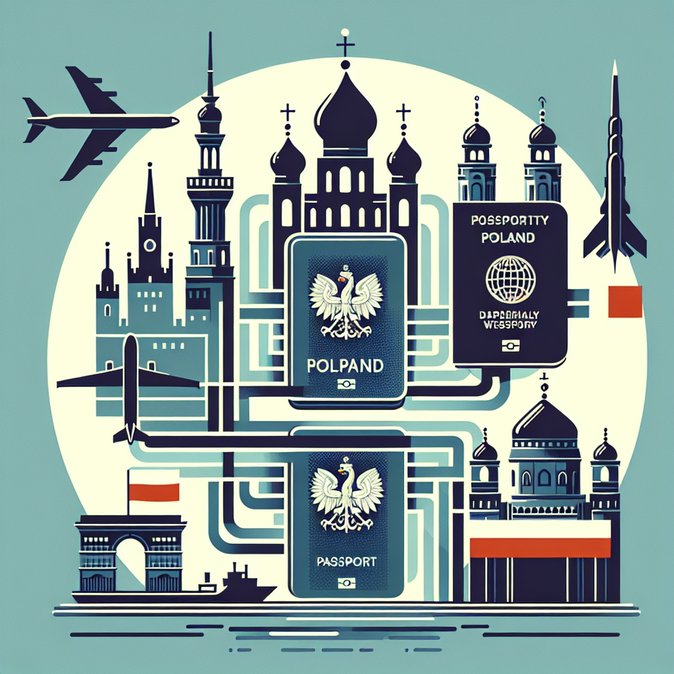
Poland’s Ministry of the Interior has formally notified the European Commission that it will cease recognising five-year, non-biometric Russian passports as valid travel documents from 1 April 2026. Diplomatic and service versions of the outdated booklet have already been invalidated as of 1 January. The measure—published on the Office for Foreigners’ website—follows similar moves by the Baltic states and aims to tighten document security amid heightened regional tensions.
Practically, Russian nationals resident in Poland who still hold the older passport model must renew to a biometric version or risk being unable to re-enter the country after travel. Employers with Russian assignees should immediately audit expatriate files and schedule renewals well before the cut-off date, as Russian consulates have reported multi-week wait times for biometrics.
![Poland Sets Deadline to Stop Accepting Non-Biometric Russian Passports]()
For companies or individuals needing hands-on help with the renewal process, VisaHQ’s Poland team can coordinate appointment bookings, review documentation and track applications end-to-end; details on these services are available at https://www.visahq.com/poland/
Immigration advisers warn that attempted border crossings on a non-compliant passport could void an existing Polish visa or residence permit; renewing workers may therefore need to carry both documents until local authorities update internal records. Companies operating frequent shuttle trips between Warsaw and Moscow for technical staff should brief travel managers about the stricter checks expected at Warsaw-Modlin and Chopin airports.
The decision also signals Warsaw’s broader push to align identity-document standards with EU security recommendations, and could presage similar scrutiny of other high-risk third-country passports. Mobility programmes across Central Europe should monitor for ripple effects, including tighter due-diligence on supporting identity documents in work-permit filings.
Practically, Russian nationals resident in Poland who still hold the older passport model must renew to a biometric version or risk being unable to re-enter the country after travel. Employers with Russian assignees should immediately audit expatriate files and schedule renewals well before the cut-off date, as Russian consulates have reported multi-week wait times for biometrics.

For companies or individuals needing hands-on help with the renewal process, VisaHQ’s Poland team can coordinate appointment bookings, review documentation and track applications end-to-end; details on these services are available at https://www.visahq.com/poland/
Immigration advisers warn that attempted border crossings on a non-compliant passport could void an existing Polish visa or residence permit; renewing workers may therefore need to carry both documents until local authorities update internal records. Companies operating frequent shuttle trips between Warsaw and Moscow for technical staff should brief travel managers about the stricter checks expected at Warsaw-Modlin and Chopin airports.
The decision also signals Warsaw’s broader push to align identity-document standards with EU security recommendations, and could presage similar scrutiny of other high-risk third-country passports. Mobility programmes across Central Europe should monitor for ripple effects, including tighter due-diligence on supporting identity documents in work-permit filings.